Have you ever looked at a towering peak and felt an irresistible pull, a silent challenge whispering your name? Mountaineering, often known as alpinism, is more than just a sport; it’s a profound journey into the heart of the world’s most majestic and unforgiving landscapes.
Far beyond casual hiking or trekking, this demanding pursuit combines advanced climbing techniques, unparalleled physical endurance, and acute mental resilience to conquer mountain summits. It’s about navigating treacherous terrain, enduring extreme weather, and mastering specialized gear – all for the breathtaking views and an unmatched sense of accomplishment at the top of the world.
What Truly Defines Mountaineering?
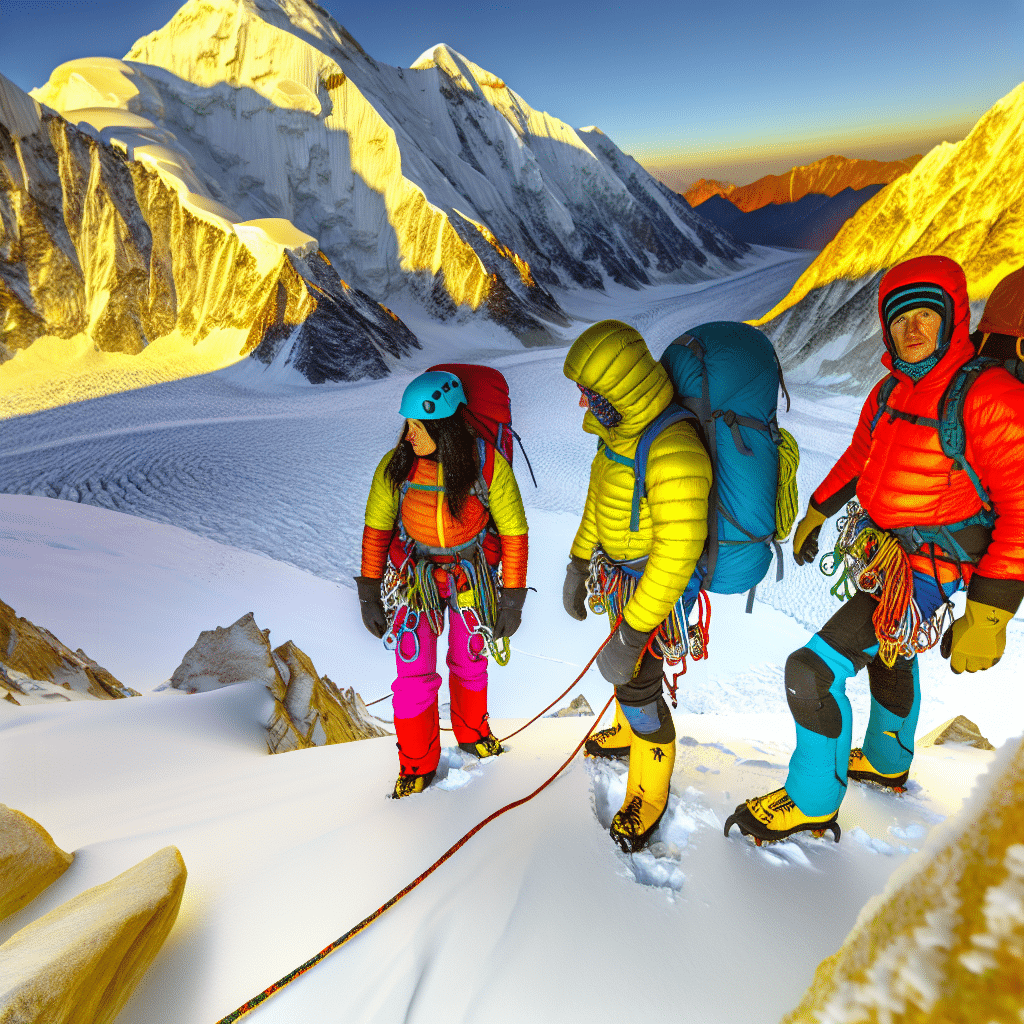
At its core, mountaineering is a multidisciplinary sport that pushes human limits. It merges elements of rock climbing, ice climbing, and glacier travel, demanding a diverse toolkit of skills. Unlike less technical outdoor activities, mountaineering often involves ropes, anchors, crampons, and ice axes, transforming a simple walk into a calculated ascent against formidable natural forces.
It’s an expedition that requires meticulous planning, an intimate understanding of alpine environments, and an unwavering commitment to safety. Every summit reached is a testament to preparation, teamwork, and an enduring spirit of adventure.
Why Do People Embark on This Extreme Adventure?
The Unrivaled Call of the Wild
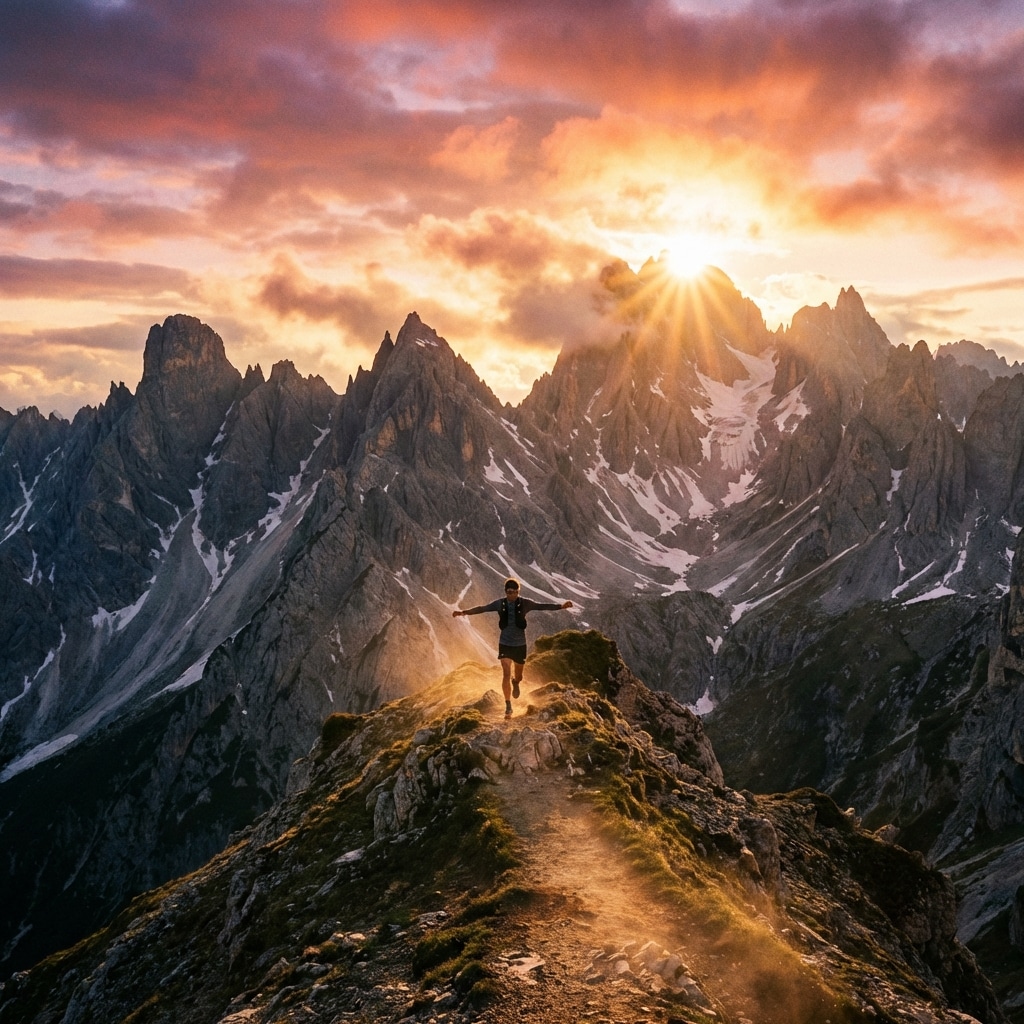
For many, the draw of mountaineering is deeply personal. It’s an opportunity to escape the mundane, immerse oneself in pristine wilderness, and connect with nature on an unparalleled spiritual level. The profound silence, the raw beauty of untouched landscapes, and the sheer scale of the mountains offer a perspective that few other experiences can match.
Reaching a summit after days or weeks of arduous climbing evokes a sense of accomplishment that transcends ordinary achievements. It’s a moment of pure triumph, often accompanied by breathtaking vistas that etch themselves into memory forever.
Forging Mental Fortitude and Physical Prowess
Mountaineering is a crucible for both mind and body. The physical demands are immense, requiring peak cardiovascular fitness, strength, and endurance to navigate steep ascents, high altitudes, and extreme temperatures. Training is rigorous and continuous, a prerequisite for survival and success.
Equally challenging is the mental game. Mountaineers must cultivate unwavering focus, adapt to rapidly changing conditions, and make critical decisions under pressure. Pushing past fear, fatigue, and self-doubt builds resilience and self-reliance that extends far beyond the mountain itself.
Essential Skills and Indispensable Gear for Mountaineering
Mastering Critical Technical Skills
Safety and success in mountaineering hinge on a robust skill set. Proficiency in rock climbing techniques, ice axe arrest, and crevasse rescue is non-negotiable. Understanding rope systems, knot tying, anchor placement, and rappelling are fundamental for navigating challenging vertical terrain and glacier travel.
Furthermore, strong navigation abilities using maps, compasses, and GPS devices are vital, especially when visibility drops. The ability to assess avalanche risk and react to sudden weather changes can literally be life-saving.
Your Lifeline: The Right Equipment
Specialized gear isn’t just helpful; it’s a matter of survival. Every piece of equipment serves a critical function, designed to protect and assist climbers in hostile environments. Here’s a look at some fundamental items:
- Personal Protective Equipment (PPE): Helmets protect against falling rock and ice, while harnesses are essential for rope work and fall protection.
- Footwear: High-altitude mountaineering boots offer insulation, rigidity for crampons, and protection against extreme cold and impact.
- Traction & Support: Crampons provide grip on ice and hard snow, and ice axes are crucial for balance, self-arrest, and creating anchors.
- Rope Systems: Ropes, carabiners, belay/rappel devices, and ascenders form the backbone of safe climbing and descent.
- Layered Clothing: A comprehensive system of base, mid, and outer layers is vital for adapting to rapidly changing alpine weather conditions.
- Navigation & Safety: GPS devices, altimeters, satellite communicators, first-aid kits, and emergency shelters are non-negotiable for safety and orientation.
- Packs: Durable, appropriately sized backpacks are needed to comfortably carry all essential gear, food, and water.
Iconic Peaks: Famous Mountaineering Destinations
Mount Everest: The Crowning Jewel
For many, Mount Everest represents the ultimate mountaineering dream. Standing at 8,848 meters (29,031 feet) in the heart of the Himalayas, it is the world’s highest peak and an undeniable magnet for elite climbers. Conquering Everest demands not only exceptional skill and fitness but also months of acclimatization and navigating treacherous features like the Khumbu Icefall.
Its allure is legendary, but the risks are equally profound, requiring meticulous preparation and an understanding of its unique challenges.
Other Legendary Summits That Challenge Alpinists
Beyond Everest, the world offers a constellation of other formidable peaks, each with its own character and demanding distinct skill sets:
- K2 (Pakistan/China): The “Savage Mountain” is renowned for its extreme technical difficulty, harsh weather, and high fatality rate, making it arguably more challenging than Everest.
- The Eiger (Swiss Alps): Famous for its formidable North Face, a notorious wall of rock and ice that has claimed many lives and tests the most skilled alpinists.
- Denali (Alaska, USA): North America’s highest peak, known for its extreme cold, immense glacial systems, and remote wilderness environment, requiring self-sufficiency and expeditionary skills.
- Mont Blanc (French/Italian Alps): While more accessible, its diverse terrain offers routes ranging from challenging glacier traverses to mixed rock and ice climbs, making it a classic for developing alpine skills.
Responsible Mountaineering: Preserving Our Fragile Peaks
The increasing popularity of mountaineering brings with it a critical responsibility: environmental stewardship. Mountain ecosystems are incredibly fragile and susceptible to the impacts of human activity. Litter, human waste, and erosion from heavy traffic can degrade these pristine environments, threatening wildlife and natural beauty.
It is paramount for every mountaineer to adhere strictly to Leave No Trace principles. This means planning and preparing ahead, disposing of waste properly, leaving what you find, minimizing campfire impacts, respecting wildlife, and being considerate of other visitors. By actively participating in conservation efforts and advocating for sustainable practices, we can ensure these majestic landscapes remain wild and accessible for generations to come.
Conclusion: The Summit Within
Mountaineering is far more than just scaling a rock or ice face; it’s an odyssey that challenges the very core of your being. It’s about the profound connection with nature, the raw test of physical and mental limits, and the unparalleled satisfaction of achieving what once seemed impossible.
Whether you dream of standing on the world’s highest summits or simply exploring the wild embrace of your local peaks, the spirit of alpinism invites you to discover untold strengths within yourself. So, are you ready to answer the mountains’ call and embark on your own transformative adventure?