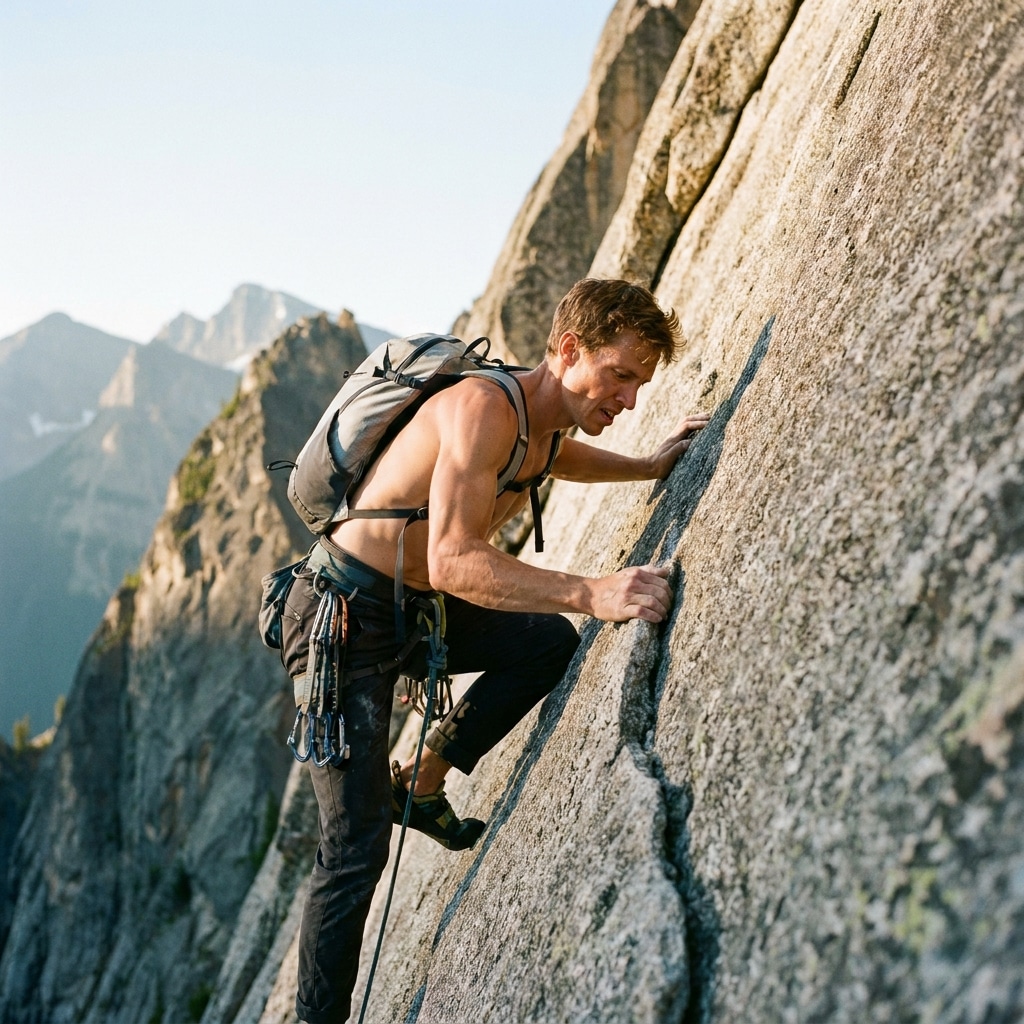
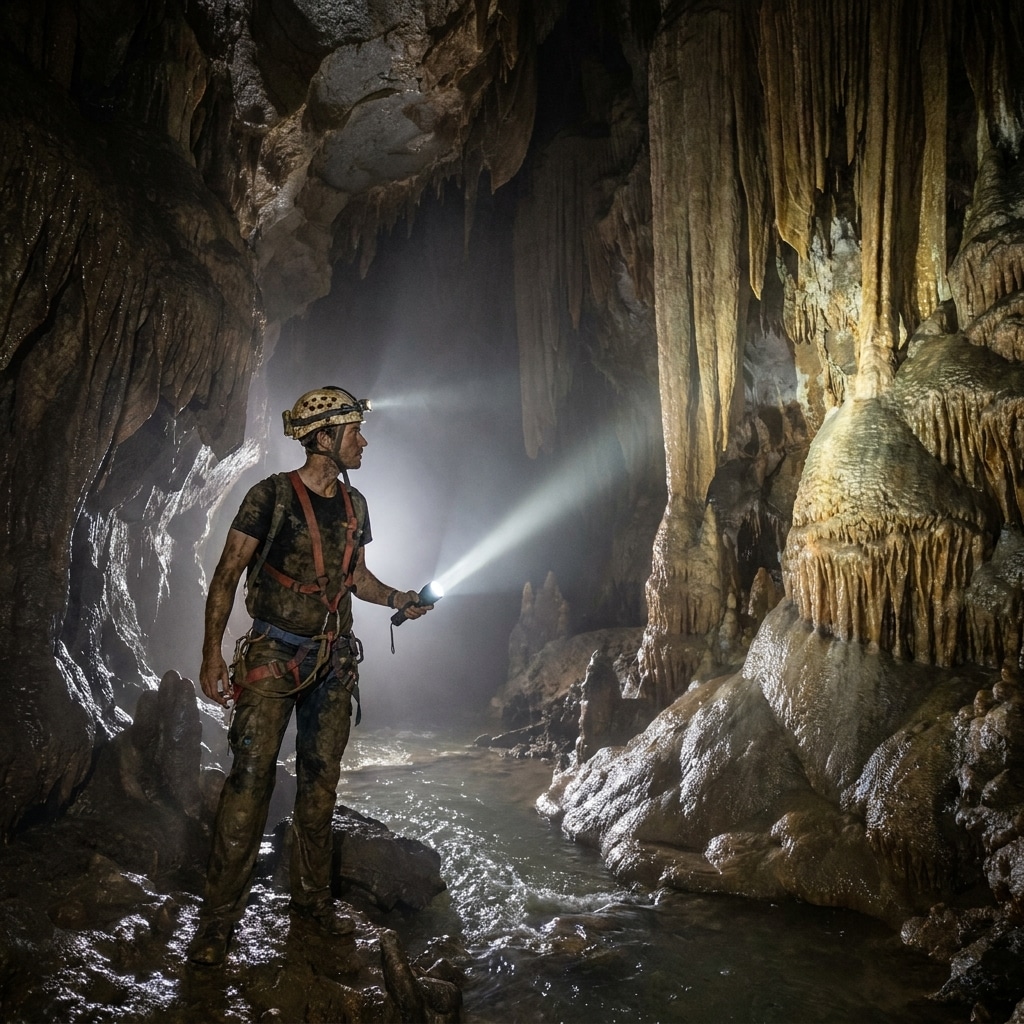
In an age where digital screens and constant connectivity often define our daily lives, a powerful longing stirs within many: the desire to unplug, simplify, and reconnect with something real. For a growing number of outdoor enthusiasts, this pull leads them away from crowded campsites and into the true wild.
They’re embracing the raw beauty and profound challenge of primitive camping, an experience that strips away modern conveniences to offer an unparalleled immersion in nature. But what exactly does it mean to go primitive, and why is this back-to-basics approach captivating so many adventurers?
What Exactly is Primitive Camping?
Primitive camping, also widely known as backcountry camping or wild camping, represents a fundamental shift from traditional car camping or developed campgrounds. It’s an adventure centered on self-reliance, minimal impact, and setting up camp in undeveloped, often remote locations.
Here, you won’t find picnic tables, flush toilets, running water, or electrical hookups. Instead, you’ll rely solely on your skills, gear, and the natural environment around you, fostering a deep appreciation for nature’s untouched beauty.
Why Ditch Developed Sites for the Wild?
The appeal of primitive camping extends far beyond simply pitching a tent. It offers a unique set of rewards that more conventional camping simply can’t match.
Unrivaled Solitude and Escape
Tired of noisy neighbors, overflowing campgrounds, and the constant hum of generators? Primitive camping provides the ultimate escape. It allows you to discover secluded spots where the only sounds are the wind through the trees and the calls of wildlife.
This profound solitude offers a mental reset, a chance to truly disconnect from daily stressors and find peace in undisturbed natural surroundings.
Embrace Challenge and Self-Reliance
Unlike car camping, primitive trips often involve hiking miles into remote wilderness, carrying all your essential gear on your back. This demands a higher level of physical fitness, meticulous planning, and problem-solving skills.
Navigating trails, purifying water, and setting up camp in challenging conditions become rewarding tests of your capabilities. It’s an opportunity to build resilience and prove your ability to thrive independently in the wild.
Forge a Deeper Connection with Nature
When you strip away modern comforts, your senses become attuned to the natural world. Primitive camping fosters an intimate relationship with your surroundings, from falling asleep under a blanket of unpolluted stars to waking with the sunrise and the rustling leaves.
These uninterrupted moments create a profound sense of grounding and belonging, cultivating a deep appreciation for the delicate balance of ecosystems.
Become a True Environmental Steward
Choosing primitive camping inherently comes with a commitment to Leave No Trace principles. By venturing into undeveloped areas, you accept the responsibility to minimize your environmental impact.
This practice transforms you into a conscious protector of the wilderness, encouraging sustainable outdoor practices that preserve these wild spaces for generations to come.
Mastering the Backcountry: Your Primitive Camping Checklist
Embarking on a primitive camping adventure requires thorough preparation. Your safety, comfort, and enjoyment hinge on careful planning and the right gear.
Thorough Research and Planning
Before you even pack your backpack, immerse yourself in research. Understand your destination’s specific regulations, permit requirements, and seasonal weather patterns. Familiarize yourself with local wildlife, potential hazards like poisonous plants, and emergency protocols.
Essential Gear for Remote Adventures
Your gear choices are critical for primitive camping. Opt for lightweight, durable, and multi-functional items.
Shelter & Sleep System: A lightweight, weather-appropriate tent or tarp, sleeping bag, and sleeping pad suitable for the expected conditions.
Backpack: A properly fitted, comfortable pack large enough to carry all your essentials for the duration of your trip.
Layered Clothing: Quick-drying, moisture-wicking layers that can be adjusted for fluctuating temperatures and weather.
Water Filtration/Purification: Absolutely vital for safe hydration, as no potable water sources will be available. Bring a filter, purification tablets, or a UV purifier.
Food & Cooking: Lightweight, high-calorie, non-perishable foods. A compact backpacking stove and fuel are preferred over campfires for cooking.
First Aid Kit: A comprehensive kit tailored to wilderness emergencies, including personal medications.
Navigation Tools: A physical map, compass (and the knowledge to use them), and a reliable GPS device or app.
Safety & Survival Gear: Headlamp/flashlight with extra batteries, fire starter, multi-tool, whistle, and a signaling mirror.
Hygiene: Biodegradable soap, trowel for catholes, toilet paper, and a small garbage bag to pack out all waste.
Physical & Mental Preparation
Primitive camping is physically demanding. Incorporate regular cardio, strength training, and hiking with a weighted pack into your routine to prepare. Equally important is mental readiness to adapt to unexpected challenges and embrace discomfort.
Leaving No Trace: Protecting Our Wild Places
The ethos of primitive camping is inextricably linked with the principles of Leave No Trace. This isn’t just a suggestion; it’s a fundamental responsibility for anyone venturing into the backcountry.
Pack It In, Pack It Out – Absolutely Everything
Every single item you bring into the wilderness, including all trash, food scraps, and even human waste (where appropriate), must be packed out. Your campsite should look as if you were never there.
Respect Wildlife from a Distance
Observe animals quietly and never disturb or feed them. Feeding wildlife can habituate them to humans, leading to aggressive behaviors and endangering both animals and future campers. Store food properly in bear canisters or hung bags.
Minimize Campfire Impact (or Go Stoveless)
While a campfire might seem quintessential, primitive camping often dictates minimizing or even eliminating their use. Use a portable stove for cooking to reduce impact. If a fire is permitted and absolutely necessary, keep it small, use existing fire rings, and ensure it’s completely out and cold to the touch before leaving.
Ready to Answer Nature’s Call?
Primitive camping is more than just an outdoor activity; it’s an invitation to rediscover simplicity, test your limits, and forge a profound connection with the natural world. It challenges you to shed modern conveniences and embrace genuine self-reliance.
By understanding what primitive camping entails and preparing diligently, you can unlock an unforgettable adventure that not only recharges your spirit but also deepens your commitment to environmental stewardship. So, pack your essential gear, leave the crowds behind, and step into the unparalleled beauty of the wild—you might just find your truest self out there.