Ever gazed at a distant mountain range or dreamed of escaping the daily grind for an epic journey through untouched wilderness? If the thought ignites a spark of adventure within you, you’re likely drawn to the world of trekking. But what exactly *is* trekking, and how does it differ from a simple walk in the park or a day hike?
Unlike a casual stroll, trekking is a profound immersion into nature, a multi-day expedition that challenges both body and mind. It’s about more than just covering distance; it’s about connecting with remote landscapes, testing your limits, and discovering the raw beauty of our planet.
What Exactly *Is* Trekking?
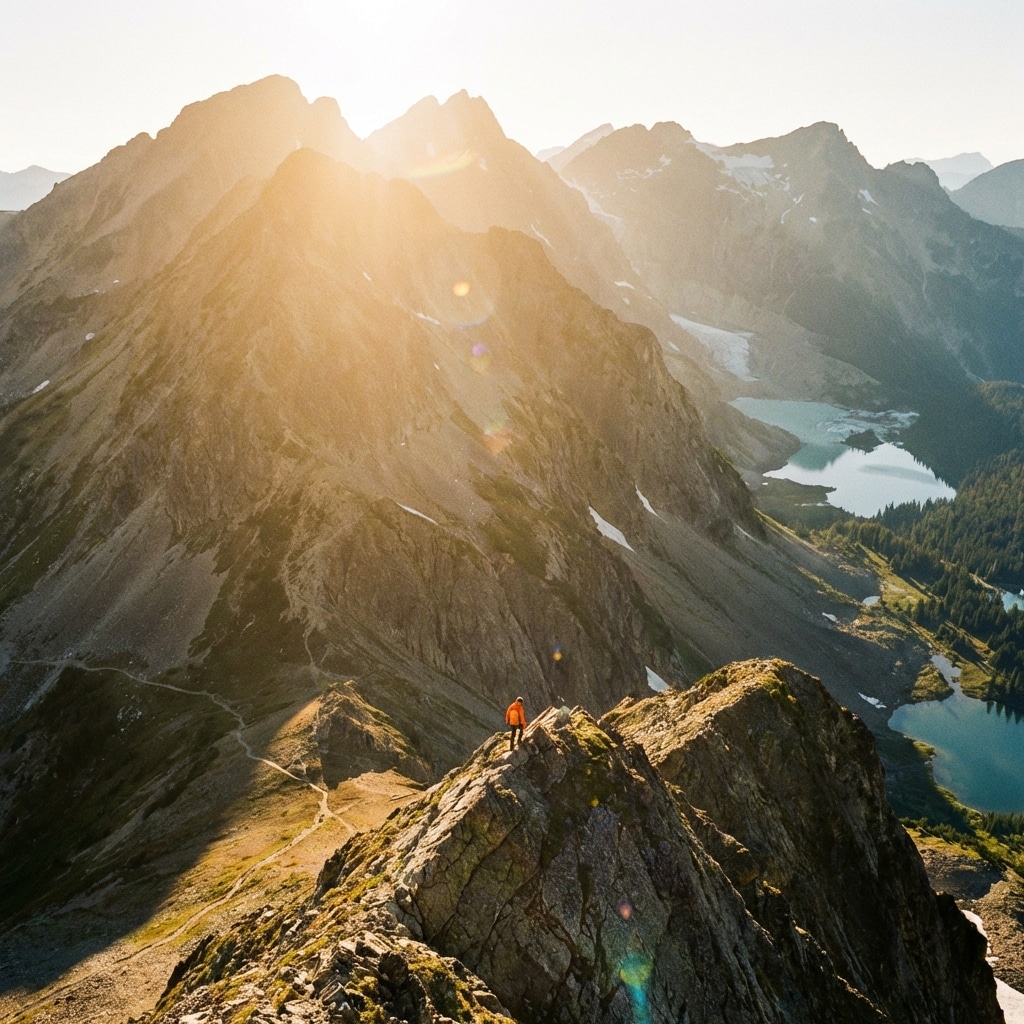
At its core, trekking defines a vigorous, multi-day walking adventure, often traversing challenging terrains far removed from paved roads and urban comforts. Think rugged mountain passes, dense forests, expansive deserts, or remote coastal trails – environments that demand self-sufficiency and a spirit of exploration.
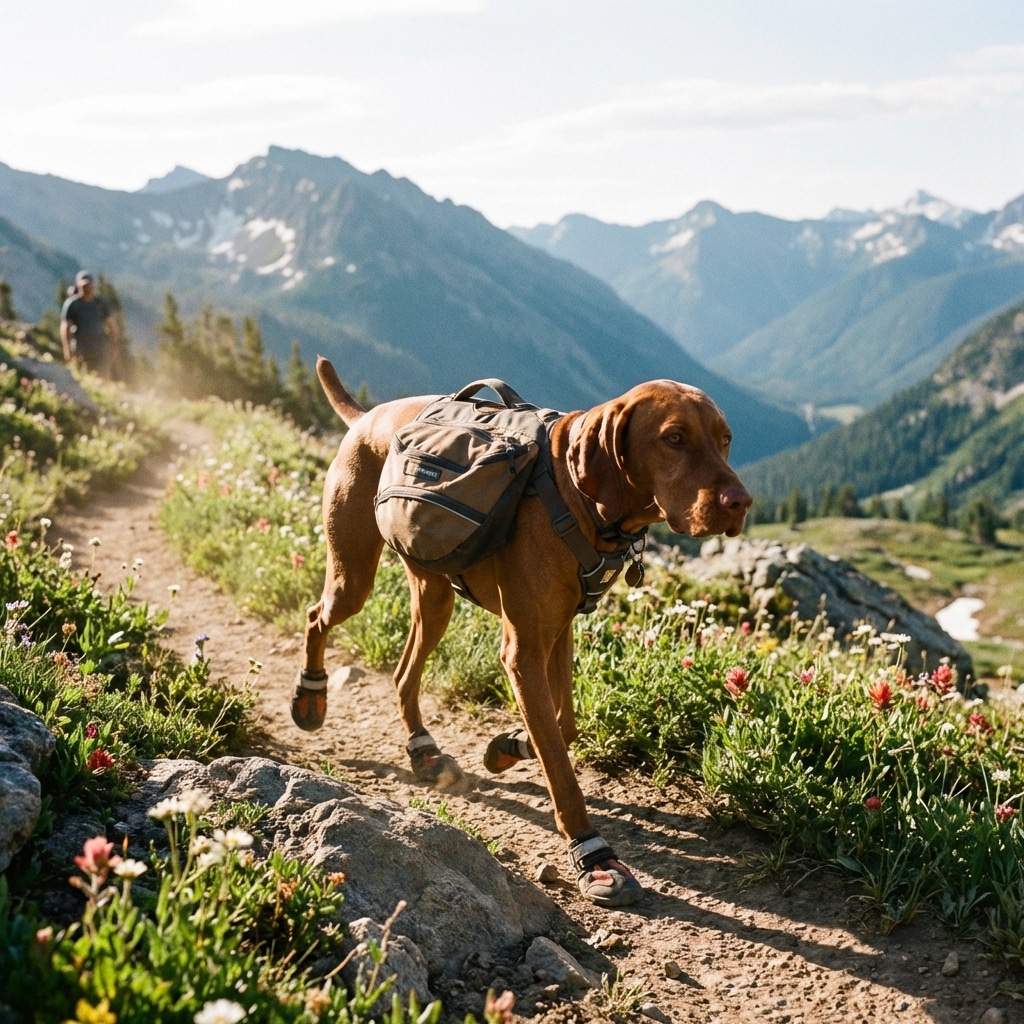
Trekkers typically carry their essential supplies, including food, water, and shelter, in backpacks, venturing into areas where amenities are scarce or non-existent. It’s a journey of discovery, offering an intimate encounter with nature and an exhilarating test of endurance.
Beyond the Path: Why We Trek
Why do countless adventurers choose to embark on these demanding journeys? The allure of trekking lies in a powerful combination of personal growth, breathtaking scenery, and a profound connection to the natural world.
The Lure of Adventure and Discovery
Humans are inherently explorers. Trekking provides an unparalleled opportunity to satisfy this innate drive. It allows you to navigate unique landscapes, uncover hidden vistas, and encounter local wildlife and cultures in ways simply not possible from the window of a car. Each step brings a new discovery, a fresh perspective.
The Physical Challenge and Accomplishment
Trekking is undeniably physically demanding. It pushes your resilience, endurance, and mental fortitude. Conquering a challenging trail, summiting a high pass, or simply completing a multi-day trek instills an immense sense of achievement. You emerge stronger, both in body and spirit.
The Chance to Reconnect with Nature
In our fast-paced, technology-driven lives, trekking offers a vital chance to disconnect from digital noise and immerse yourself in the natural world. It’s a digital detox, a respite where the rhythm of your steps and the sounds of the wilderness become your primary focus. This immersion fosters a deep appreciation for the beauty and tranquility of nature.
Trekking vs. Hiking vs. Mountaineering: Clarifying the Adventure Scale
The terms “trekking,” “hiking,” and “mountaineering” are often used interchangeably, leading to confusion. While they all involve walking in natural environments, they represent distinct levels of commitment, skill, and equipment.
What is Hiking?
Hiking typically refers to a one-day walk on well-established trails. It’s generally less strenuous than trekking, often undertaken for leisure or exercise, and usually doesn’t require specialized equipment beyond appropriate footwear and a daypack. Think a loop trail in a national park.
What is Mountaineering?
Mountaineering, also known as alpinism, is the most technical and demanding of the three. It involves climbing mountains, often including glaciers, ice, and rock faces. This sport requires advanced technical skills, specialized gear (like ropes, ice axes, crampons), and significant experience in alpine environments.
What is Trekking?
Trekking bridges the gap between hiking and mountaineering. It’s a multi-day journey that may incorporate elements of hiking and even some non-technical climbing, but it generally avoids the extreme technical challenges of mountaineering. The defining characteristics are its multi-day duration, remoteness, and the need for self-sufficiency.
Gear Up: Your Trekking Essentials
Proper preparation and the right equipment are paramount for a safe and enjoyable trek. While specific needs vary by location, season, and duration, here’s a universal checklist of trekking essentials:
Appropriate Footwear: Sturdy, broken-in trekking boots are non-negotiable for ankle support and traction.
Layered Clothing: Adaptable layers (base, mid, outer) for changing weather conditions, including waterproof and windproof options.
Backpack: A comfortable, well-fitting backpack (50-70L for multi-day treks) to carry all your gear.
Sleeping System: A lightweight tent or shelter, a suitable sleeping bag, and a sleeping pad for insulation.
Navigation Tools: Map, compass, and/or a GPS device, along with the knowledge to use them.
Water Management: Water bottles or hydration reservoir, plus water purification tablets or a filter.
First Aid Kit: Comprehensive kit for minor injuries and emergencies.
Headlamp or Flashlight: Essential for navigating in the dark.
Food Supplies: Sufficient high-energy, non-perishable food for the entire duration of your trek.
Sun Protection: Hat, sunglasses, and high-SPF sunscreen.
Emergency Whistle & Mirror: For signaling in distress.
Always research your specific trek thoroughly to tailor your packing list accordingly.
Final Thoughts: Is Trekking for Everyone?
While trekking is undeniably a demanding activity requiring physical fitness and mental determination, it is not exclusive to elite athletes. Anyone with good health and a desire for adventure can embrace trekking, provided they choose a difficulty level appropriate to their current physical abilities and preparation.
Whether you’re yearning for breathtaking landscapes, seeking a profound physical challenge, or simply desiring a tranquil escape from the noise of modern life, trekking offers an unparalleled experience. With proper planning, respect for nature, and a readiness to step outside your comfort zone, the call of the wild is yours to answer. So, lace up your boots – your next great adventure awaits!