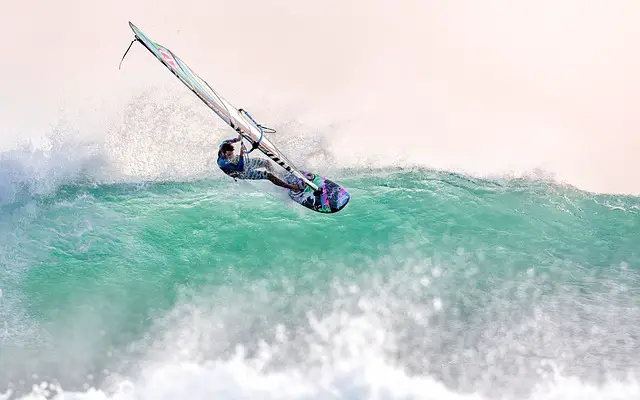
Have you ever watched someone effortlessly dance across the water, propelled by nothing but the wind, their board cutting a graceful path through the waves? It’s a sight that captivates, a blend of power and precision. This mesmerizing activity is windsurfing, a dynamic water sport that marries the exhilaration of surfing with the strategic art of sailing.

But what exactly defines this intriguing sport, and what makes it such a compelling pursuit for adventurers worldwide? Let’s unroll the sail and dive into everything you need to know about windsurfing, from its fundamental principles to the thrill of riding the elements.

What is Windsurfing? The Perfect Fusion of Surf and Sail
At its core, windsurfing is a unique surface water sport that requires an individual to balance on a specialized board while manipulating an attached sail to harness wind power. Born in the late 1960s, it quickly evolved from a curious invention into a global phenomenon, appealing to those who crave both speed and connection with nature.
Unlike traditional surfing, windsurfing allows you to generate your own momentum, giving you unparalleled control over speed and direction. It’s a full-body workout that engages core strength, balance, and strategic thinking, making every session a unique challenge and reward.
Gearing Up: Essential Windsurfing Equipment
To embark on your windsurfing journey, having the right gear is paramount. Each component of the windsurfing rig plays a crucial role in performance, safety, and your overall enjoyment on the water.
The Windsurfing Board
The board is your floating platform, typically crafted from lightweight, buoyant materials like EPS foam or composites. Modern windsurfing boards come in various sizes and shapes, tailored for different skill levels and conditions. Beginner boards are usually wider and longer for stability, while advanced boards are shorter and narrower for maneuverability and speed.
Most boards feature footstraps for better control and a fin at the rear for directional stability. Some beginner boards also include a retractable daggerboard in the center, which helps prevent sideways drift and makes learning easier.
The Sail and Rig Components
The sail is your engine, a powerful wing that captures the wind. It’s made from durable, flexible materials like monofilm or Dacron and attaches to the board via a mast, boom, and universal joint. Sail sizes vary significantly, with larger sails ideal for lighter winds and smaller sails suited for stronger gusts.
The mast holds the sail upright, the boom is what you hold onto for steering, and the universal joint connects the rig to the board, allowing for 360-degree rotation. Proper selection of sail size based on wind conditions and rider weight is key to a successful and enjoyable windsurfing session.
Safety and Accessory Gear
Beyond the primary equipment, several accessories enhance safety and comfort. A wetsuit provides insulation and protection, especially in cooler waters. A personal flotation device (PFD) is highly recommended, particularly for beginners or when windsurfing in deep or open waters.
Advanced windsurfers often use a harness, which hooks into the boom and transfers sail power to the rider’s body, reducing arm fatigue. A helmet can also provide crucial head protection, especially when learning or practicing advanced maneuvers.
Mastering the Elements: How Windsurfing Works
The magic of windsurfing lies in the skillful manipulation of wind and water. It’s a constant dance of balance, leverage, and understanding fluid dynamics. By positioning their body and adjusting the sail, a windsurfer can harness the wind’s energy to propel across the water.
Harnessing the Wind’s Power
To move forward, the windsurfer stands on the board, typically with feet positioned around the mast base. They then tilt the sail to catch the wind, creating lift and thrust. The angle of the sail relative to the wind (called “trim”) dictates the amount of power generated and the direction of travel.
By leaning back and adjusting the sail with the boom, the windsurfer controls their speed and steers the board. It’s a continuous feedback loop between the wind, the sail, the board, and the rider’s body, requiring constant micro-adjustments.
Key Windsurfing Techniques for Beginners
Learning windsurfing involves mastering a few fundamental techniques that build confidence and control:
- Uphauling: The essential first step, involving lifting the sail out of the water using a rope attached to the boom. This requires good balance and proper body mechanics.
- Tacking: A maneuver used to change direction by turning the front of the board through the wind. It’s a slower, more controlled turn typically learned first.
- Jibing: A faster, more dynamic maneuver to change direction by turning the back of the board through the wind. This technique is often more challenging but allows for quicker transitions.
- Water Starting: A crucial skill for intermediate windsurfers, allowing them to get back on the board and start sailing without uphauling the sail, especially in stronger winds.
Where to Catch the Wind: Ideal Windsurfing Locations
Windsurfing can be enjoyed on a variety of water bodies, from vast oceans and seas to tranquil lakes and wide rivers. However, specific locations offer conditions that are particularly favorable for this dynamic sport.
Ideal windsurfing spots typically feature consistent, moderate winds—often side-shore or side-onshore winds—that provide steady propulsion without being overly challenging for beginners. Shallow, calm waters are perfect for learning, while stronger winds and waves attract more experienced windsurfers looking for thrills.
Popular windsurfing destinations worldwide are renowned for their reliable wind patterns and dedicated facilities, offering everything from beginner lessons to advanced gear rentals and professional coaching.
Is Windsurfing For You? Age, Fitness, and Learning Curve
One of the beauties of windsurfing is its broad appeal. It’s a sport that truly can be enjoyed by individuals of almost any age and varying fitness levels. While it does require some physical engagement, technique and mental agility often outweigh sheer brute strength.
Who Can Enjoy Windsurfing?
From energetic children to active seniors, windsurfing offers a unique way to connect with the water. Beginners often start on larger, more stable boards in light winds, gradually building strength and confidence. The key is to have a willingness to learn and embrace the challenge.
Is Windsurfing Difficult to Learn? Setting Realistic Expectations
Like any new skill, windsurfing has a learning curve. The initial stages can be challenging, as you simultaneously learn to balance on a moving board and control a powerful sail. Falling is part of the process, and getting back up is a fundamental lesson in resilience.
However, with proper instruction and consistent practice, most individuals can grasp the basics—such as uphauling and steering—within a few dedicated lessons. Investing in professional instruction from a certified windsurfing school significantly accelerates the learning process and ensures you develop safe and effective techniques from the start.
Tips for Your First Windsurfing Lesson
- Patience is Key: Don’t get discouraged by initial wobbles or falls. Everyone starts there!
- Listen to Your Instructor: They’ll provide personalized feedback and safety guidance.
- Start in Light Winds: Easier conditions make learning the core mechanics much smoother.
- Wear Appropriate Gear: A wetsuit for warmth and a PFD for safety are typically provided or rented.
- Stay Hydrated: Even on the water, you’ll be exerting energy.
The Thrill Awaits: Why Windsurfing is an Unforgettable Experience
Windsurfing is more than just a sport; it’s an exhilarating adventure that engages your body, sharpens your mind, and connects you directly with the raw power of nature. The feeling of gliding effortlessly across the water, propelled by the wind, is a unique sensation of freedom and accomplishment.
Whether you dream of leisurely cruises on calm lakes or tackling challenging waves in the open ocean, windsurfing offers a pathway to an unforgettable outdoor experience. With the right equipment, a little patience, and a willingness to embrace the wind, you can unlock the magic of this incredible water sport. So, why wait? Discover the thrill of windsurfing and experience the ultimate blend of surf and sail!