Planning a snowshoeing adventure? You’ve likely thought about the snowshoes themselves, maybe your poles, and definitely your cozy winter jacket. But have you given enough thought to what’s protecting your feet? It might not be the first thing that comes to mind, yet your boots are arguably the most critical piece of gear for a comfortable, safe, and truly enjoyable experience on the snow.
The wrong boots can quickly turn a scenic winter wonderland into a miserable trek of cold, wet feet, blisters, or even a twisted ankle. The right pair, however, will keep you warm, dry, stable, and ready to explore for hours.
Why Your Snowshoeing Boots Are Non-Negotiable
Snowshoeing isn’t just a walk in the park; it often involves navigating varied terrain, deep snow, and potentially icy patches. Your feet are your foundation, and they need robust protection. Quality snowshoeing boots act as a barrier against the elements, provide crucial support, and ensure efficient energy transfer to your snowshoes.
Investing time in choosing the best boots for snowshoeing means investing in your overall comfort and safety. It helps prevent common issues like frostbite, chafing, and loss of balance, allowing you to focus on the beauty of your surroundings.
Key Features of the Ideal Snowshoeing Boot
When evaluating different snowshoe boots, several core features stand out as essential. Prioritizing these will guide you toward a pair that performs well in diverse winter conditions.
Superior Insulation for Enduring Warmth
Your feet generate heat, but in freezing temperatures, they need help retaining it. Effective insulation is paramount to keeping your feet warm snowshoeing. Look for materials like Thinsulate, Primaloft, or thick felt liners, which trap air to create a thermal barrier.
The amount of insulation (often measured in grams) depends on how cold it gets where you snowshoe and how susceptible your feet are to cold. Remember that good insulation doesn’t necessarily mean bulky boots; modern technologies offer excellent warmth with a streamlined design.
Uncompromising Waterproofing and Breathability
Wet feet are cold feet, and cold feet can quickly lead to an early end to your adventure. Waterproofing is non-negotiable. Materials like Gore-Tex or other proprietary waterproof membranes create a barrier against snow and slush.
However, waterproofing alone isn’t enough; breathability is also key. Your feet sweat, and if that moisture has nowhere to go, it will make your feet damp and cold from the inside out. A breathable membrane allows internal moisture vapor to escape while keeping external water out.
Essential Traction and Ankle Support
Even with snowshoes on, you’ll encounter bare patches, icy sections, or slippery slopes where good traction is vital. Look for outsoles with aggressive lug patterns that can bite into varied surfaces. A stiff sole also provides better power transfer to your snowshoes and stability on uneven ground.
Ankle support prevents twists and sprains, particularly when traversing sloped terrain or stepping over obstacles. High-top boots that lace up securely around your ankle offer the best stability for snowshoeing.
The Right Fit: Comfort is King
Even the most technically advanced boots are useless if they don’t fit well. A comfortable snowshoeing boot allows for proper circulation, prevents pressure points, and leaves enough room for appropriate layering socks without being loose.
Ensure there’s about a thumb’s width of space at the toe when standing, and that your heel doesn’t slip excessively when you walk. Try boots on with the type of socks you plan to wear during your snowshoeing adventures.
Types of Boots Recommended for Snowshoeing Adventures
The “best” snowshoeing boots really depend on the conditions you’ll face and the intensity of your activity. Here’s a breakdown of common types:
Rugged Winter Hiking Boots
For casual snowshoeing on groomed trails or in moderate conditions, a quality pair of winter hiking boots can be an excellent choice. They are typically waterproof, insulated, and offer good ankle support and traction.
**Best for:** Beginners, well-packed trails, milder winter days, combined hiking/snowshoeing trips.
Dedicated Mountaineering Boots
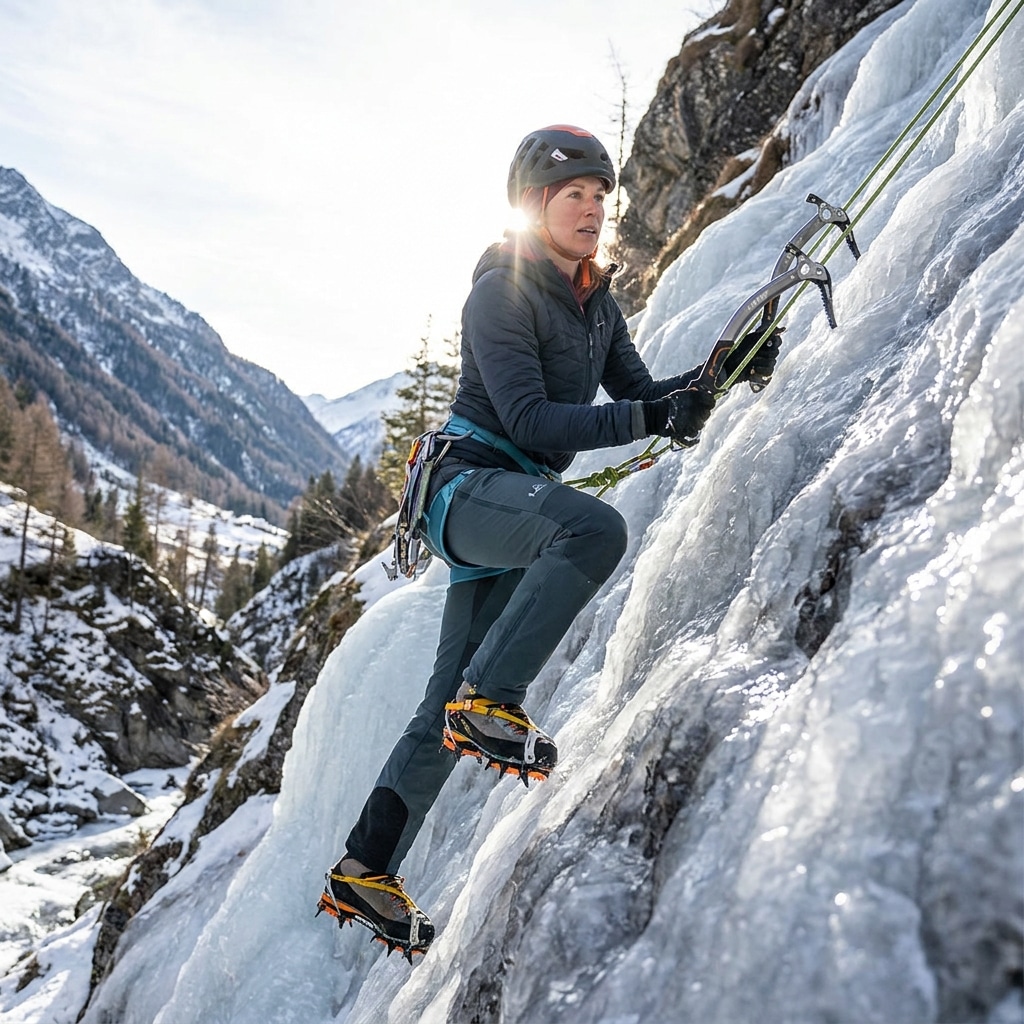
If you’re tackling steep ascents, icy traverses, or multi-day expeditions in extreme cold, mountaineering boots are your top-tier option. These stiff, highly insulated, and often crampon-compatible boots provide maximum support and protection.
**Best for:** Technical snowshoeing, icy conditions, very cold temperatures, backcountry adventures.
Classic Pac Boots
Pac boots, recognized by their rubber lower and insulated, often removable, felt or synthetic liner, are champions of warmth in deep snow and very cold conditions. They excel at keeping your feet dry in slushy environments.
**Best for:** Extremely cold weather, deep powder, less aggressive trails, activities requiring prolonged standing in snow.
Modern Insulated Winter Boots
Many brands now offer specialized insulated winter boots that don’t fit strictly into the “hiking,” “mountaineering,” or “pac” categories. These often combine the best features of all, providing excellent warmth, waterproofing, and moderate support in a versatile package suitable for most snowshoeing.
**Best for:** General recreational snowshoeing, a balance of warmth and mobility, varying winter conditions.
Essential Tips for Choosing Your Snowshoe Boots
Beyond the boot type, a few additional considerations will help you nail down the perfect pair for your specific needs.
Consider Your Terrain and Conditions
Are you sticking to groomed paths, or venturing into deep, untracked powder? Will temperatures be mild, or will you face sub-zero conditions? The colder and more rugged your planned adventures, the more insulation and support your boots will require.
Layer Your Socks Wisely
Even the best insulated boots need help from appropriate socks. Always wear moisture-wicking synthetic or merino wool socks, and consider a thin liner sock under a thicker insulated sock. Avoid cotton at all costs, as it retains moisture and will make your feet cold.
Try Before You Buy
Whenever possible, try on boots in person. Wear the specific socks you plan to snowshoe in. Walk around the store, paying attention to any pressure points or rubbing. If you can, try them on later in the day when your feet are slightly swollen, mimicking their state after a hike.
Renting vs. Buying: What’s Right for You?
Renting: An excellent option if you’re new to snowshoeing and want to try out the sport without a significant investment. Many outdoor gear shops offer rental snowshoeing boots. It also allows you to test different styles before committing to a purchase.
Buying: If you plan on snowshoeing frequently or tackle more challenging terrain, purchasing your own pair is highly recommended. A well-fitting, dedicated pair of snowshoe boots will offer superior comfort, performance, and longevity.
The Bottom Line: Gear Up for an Unforgettable Adventure
Choosing the right boots for snowshoeing is a crucial step in preparing for a successful and enjoyable winter outing. Prioritize warmth, waterproofing, support, and a comfortable fit, and you’ll be well-equipped to tackle any snowy trail.
Don’t let cold, wet feet cut your adventure short. Gear up with the perfect pair of snowshoeing boots, and step confidently into the breathtaking beauty of winter. Happy snowshoeing!