Master Your Winter Trek: Choosing the Best Boots for Snowshoeing
Snowshoeing offers an incredible escape into the winter wilderness, promising breathtaking views and a fantastic workout. But imagine this: your feet are numb, soaking wet, and riddled with blisters, cutting your adventure short and making every step pure misery. The wrong footwear can quickly turn a dream outing into a painful ordeal, and in harsh conditions, it can even be dangerous.
That’s why selecting the right pair of boots for snowshoeing is just as critical as choosing the perfect snowshoes themselves. Your boots are your first line of defense against the elements, providing warmth, dryness, and stability. Ready to discover what kind of boots will keep you comfortable, safe, and fully engaged on the snowy trails? Let’s dive in.
Why Your Snowshoeing Boots Are Non-Negotiable
The boots you wear directly impact your snowshoeing experience. Skimping on quality or choosing unsuitable footwear can lead to a host of problems that undermine your enjoyment and even pose risks. Here’s why making the right choice is paramount:
Protection from the Elements: Your feet are constantly exposed to cold, wet snow. Inadequate boots mean cold, damp feet, which can quickly lead to discomfort, frostnip, or even frostbite in extreme conditions.
Preventing Discomfort & Injuries: Long hours on uneven terrain demand support and cushioning. Poorly fitting or unsupportive boots can cause blisters, chafing, sore arches, and increase the risk of ankle sprains or falls.
Optimized Performance & Efficiency: The right boots provide crucial traction and a secure fit within your snowshoe bindings, ensuring efficient power transfer with every step. Slipping within your boots or bindings wastes energy and makes trekking harder.
Key Features of Excellent Snowshoeing Boots
When you’re exploring snow-covered landscapes, your footwear needs to excel in several areas. Prioritize these factors when selecting your next pair of snowshoeing boots:
Superior Waterproofing
Keeping your feet dry is paramount. Snow will inevitably try to find its way into your boots, whether from deep drifts, splashing, or melting. Look for boots constructed with fully waterproof membranes like Gore-Tex, eVent, or proprietary brand technologies. These materials block external moisture while still allowing sweat vapor to escape, preventing internal dampness.
Adequate Insulation
Cold feet can quickly ruin a winter outing. Good insulation traps warmth, keeping your toes toasty even when temperatures plummet. Most snowshoeing boots use synthetic insulations like Thinsulate or PrimaLoft, measured in grams (e.g., 200g, 400g). The more insulation, the warmer the boot, but also potentially bulkier. Consider the typical temperatures you’ll encounter to choose an appropriate warmth level.
Robust Ankle Support
Snowshoeing often takes you over uneven, slippery, and sometimes hidden terrain. Mid-cut to high-cut boots are essential as they provide crucial ankle support, helping to prevent twists and sprains. This added stability is vital for maintaining balance and confidence on challenging trails. A well-designed lacing system further ensures a snug and supportive fit around your ankle.
Traction and Outsole Design
Even with snowshoes on, you’ll encounter varied surfaces like packed snow, ice, and bare patches. A boot with a durable rubber outsole and aggressive, multi-directional lugs will provide better grip when you’re walking to the trailhead or in situations where you temporarily step out of your snowshoes. Look for specialized winter rubber compounds designed to stay pliable in cold temperatures for enhanced grip.
Compatibility with Snowshoe Bindings
Your boots must fit securely and comfortably within your snowshoe bindings. Boots that are too bulky can be difficult to secure, while those that are too narrow may allow your foot to shift, leading to discomfort and reduced control. Always ensure a snug, yet comfortable, fit between your boot and the binding straps.
Can You Use Hiking Boots for Snowshoeing? The Real Answer
This is a common question, and the answer is nuanced. While some heavy-duty, winterized hiking boots *might* work for very short, mild snowshoeing trips, they are generally not ideal for dedicated snowshoeing.
**When they might suffice:** If your hiking boots are genuinely waterproof (not just water-resistant), insulated, offer good ankle support, and the snowshoeing conditions are mild (e.g., packed snow, above-freezing temperatures, short duration), you *could* potentially use them.
**Why they’re often not suitable:** Most standard hiking boots lack the dedicated insulation and robust waterproofing required for prolonged exposure to deep, cold snow. They often have lower cuffs, making it easier for snow to get inside, and their outsoles aren’t always optimized for icy winter conditions. For true comfort and safety on anything beyond a casual stroll, specialized snowshoeing boots are the better investment.
Popular Choices & What to Look For in Top Snowshoeing Boots
While personal preference and specific needs dictate the ultimate choice, certain boot models have earned a reputation for excellence among snowshoers. Here are a few examples that embody the key features discussed:
Salomon Toundra Pro CSWP
Renowned for their exceptional warmth-to-weight ratio, these boots are impressively lightweight yet boast an extreme temperature rating, often down to -40°F (-40°C). They feature Salomon’s ClimaSalomon Waterproof (CSWP) membrane and offer excellent ankle support, making them a top choice for challenging cold-weather treks.
Columbia Bugaboot Plus III Omni-Heat
This model is a fantastic option for those prioritizing superior traction and comfort. Featuring Columbia’s Omni-Heat reflective lining for added warmth and a waterproof seam-sealed construction, these boots keep feet dry and warm. Their mid-cut height provides ample ankle support, and the grippy outsole is designed for various winter terrains.
The North Face Chilkat IV
Known for their robust construction and reliable performance, Chilkat boots offer excellent synthetic insulation and a waterproof membrane. The efficient lacing system ensures a secure, comfortable fit, while the Winter Grip® rubber outsole delivers confident traction on slippery surfaces. They are a durable and dependable choice for general snowshoeing.
Essential Footwear Pairings for Your Snowshoeing Adventures
Even the best snowshoeing boots benefit from smart layering and additional gear. Don’t overlook these crucial accessories:
Smart Socks Are a Must
Avoid cotton at all costs! Cotton absorbs moisture and stays wet, chilling your feet. Opt for wool (like merino) or synthetic blends that wick moisture away from your skin, keeping your feet dry and warm. Consider layering a thin liner sock under a thicker wool sock for optimal comfort and warmth.
Don’t Forget Gaiters!
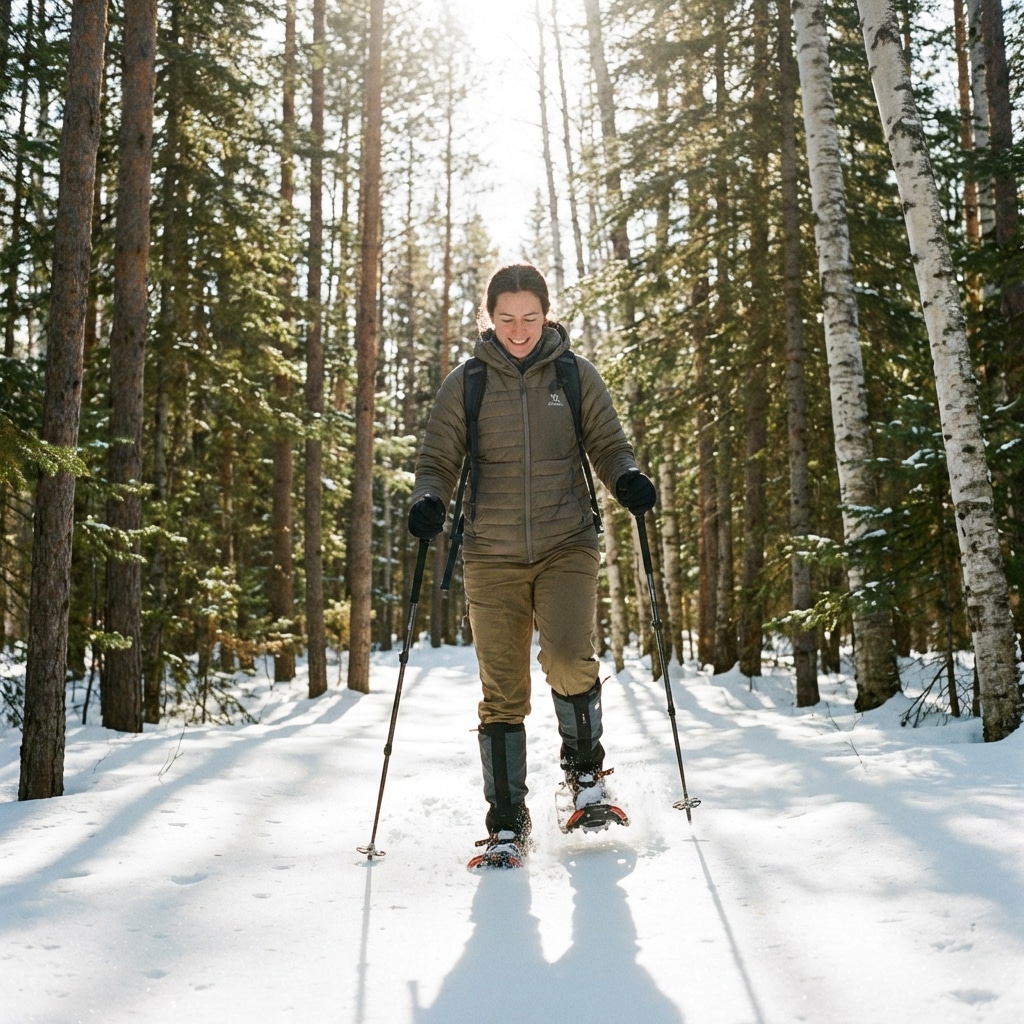
Gaiters are fabric sleeves that wrap around your lower leg and boot, providing an essential barrier against snow. They prevent snow from entering your boots from above, especially in deep powder or when kicking up snow. Many even feature a waterproof and breathable construction to further enhance comfort.
Final Tips for Choosing Your Perfect Pair
Try Them On: Always try on boots with the kind of socks you’d actually wear snowshoeing. Walk around the store to ensure there are no pressure points or heel slip.
Consider Your Conditions: Are you mostly doing short, easy treks in mild conditions, or planning multi-day expeditions in frigid, deep snow? This will influence the level of insulation and robustness you need.
Budget Wisely: While good snowshoeing boots are an investment, they are crucial for your comfort and safety. Prioritize quality materials and construction.
Check the Fit: Your toes should have room to wiggle, but your heel should feel secure. A boot that’s too tight restricts circulation, making your feet colder.
Conclusion: Step into Your Next Winter Adventure Confidently
Choosing the right boots for snowshoeing is more than just a purchase; it’s an investment in your comfort, safety, and enjoyment of the winter wonderland. Remember to prioritize superior waterproofing, ample insulation, robust ankle support, and reliable traction. While some hiking boots might suffice for casual outings, dedicated winter boots designed for snowy conditions will provide the best experience.
Take the time to research, try on different options, and consider the conditions you’ll face. With the right pair of snowshoeing boots hugging your feet, you’ll be ready to embrace the serene beauty of the snowy trails, stride after confident stride. Happy snowshoeing!