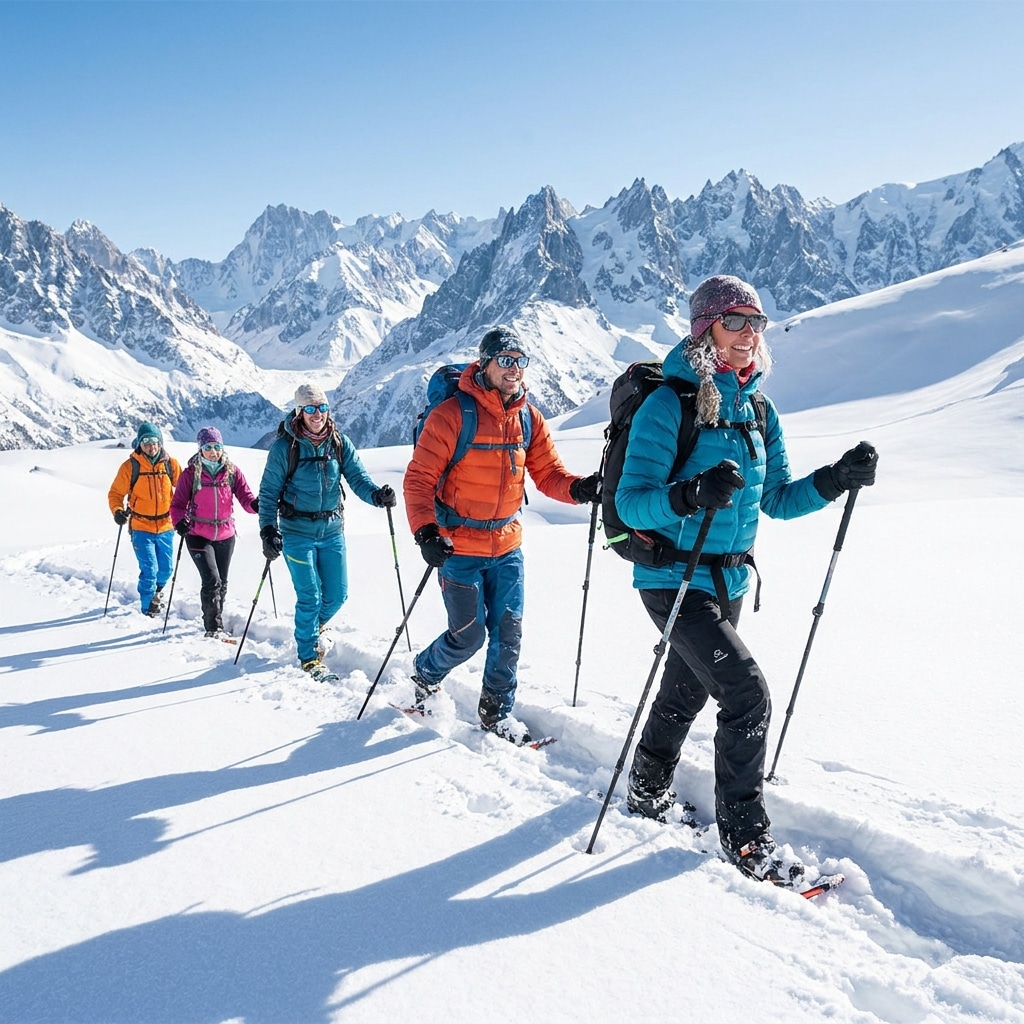
Imagine gliding through a silent, snow-covered forest, the crisp winter air invigorating your senses. Snowshoeing offers an unparalleled way to experience nature’s serene beauty, but a single misstep in footwear can quickly turn this dream into a chilly, uncomfortable reality. Your boots are the foundation of a successful outing, protecting you from the elements and ensuring every stride is stable.
So, what’s the secret to staying warm, dry, and secure on the snow-covered trails? The biggest question for any aspiring or seasoned snowshoer is clear: **what kind of boots to wear snowshoeing** to guarantee comfort, warmth, and unshakeable stability? Let’s lace up and explore the definitive guide to choosing your perfect pair.
Why Your Snowshoeing Boots are Non-Negotiable for a Great Day Out
Snowshoeing is an exhilarating adventure, yet your enjoyment hinges entirely on your feet remaining protected and comfortable. The right pair of boots isn’t just an accessory; it’s a critical piece of gear that ensures your safety and extends your time outdoors. Here’s why choosing wisely is paramount for any winter explorer.
Keep Warm, Stay Happy: The Role of Insulation
Your feet are highly susceptible to cold, especially in sub-zero temperatures and prolonged exposure. Insulated boots create a thermal barrier, trapping body heat to keep your toes toasty. This crucial feature prevents discomfort and safeguards against serious conditions like frostbite, making warmth a top priority for **snowshoeing footwear**.
Defy the Damp: Essential Waterproofing
Snow is fundamentally frozen water, and as you trek through it, your boots face constant exposure to moisture. Waterproof boots are vital for keeping your feet bone-dry throughout your adventure. Dry feet are not only infinitely more comfortable but also retain warmth far more effectively.
Grip and Go: Unwavering Traction & Stability
Snowshoeing terrain is notoriously unpredictable, ranging from soft powder to slick, icy patches. Your boots must provide superior grip and stability to navigate these varied conditions safely. Excellent traction prevents slips and falls, allowing you to move confidently across the snowy landscape.
Built to Last: Durability for Rugged Trails
The demands of snowshoeing can be tough on any footwear, subjecting materials to abrasive snow, ice, and consistent flexion. Durable boots, constructed from high-quality materials, can withstand these rigors, offering longevity and consistent performance. Investing in robust materials means your boots will endure many seasons of adventure.
Support Where It Matters: Protecting Your Feet & Ankles
Walking in snowshoes, especially over uneven ground, can put considerable strain on your feet and ankles. Boots with proper arch support and ankle stability distribute this strain evenly, significantly reducing fatigue and the risk of injury. This support is key to maintaining comfort and endurance on longer treks.
What Kind of Boots to Wear Snowshoeing: Your Top Choices Explained
With the importance of proper footwear established, let’s dive into the specific types of boots that excel for snowshoeing. Each category offers unique benefits and considerations, helping you narrow down the **best boots for snowshoeing** based on your typical conditions and personal preferences.
Dedicated Winter Hiking Boots
These are a popular and versatile choice, specifically designed for cold-weather trekking. They typically feature robust insulation, waterproof membranes (like Gore-Tex), and sturdy ankle support. Winter hiking boots strike an excellent balance between warmth, protection, and walkability, making them a great all-around option.
While generally heavier than summer hiking boots, their construction is optimized for snowy conditions. Look for models with aggressive outsoles for reliable traction on varied winter surfaces. They are ideal for most recreational snowshoeing on groomed trails or moderate backcountry.
Rugged Mountaineering Boots
Built for extreme alpine environments, mountaineering boots offer unparalleled insulation, waterproofing, and rigid support. They are incredibly durable and often compatible with crampons, essential for icy, steep terrain. If your snowshoeing adventures involve high altitudes, glacial travel, or very cold temperatures, these are your go-to.
However, their stiffness and weight can make them overkill and less comfortable for casual snowshoeing. They typically come with a higher price tag and require a significant break-in period. Choose these for serious expedition-style snowshoeing.
Cozy Pac Boots
Pac boots are renowned for their exceptional warmth, often featuring thick felt or synthetic removable liners. They are designed for incredibly cold, static conditions and excel at keeping feet toasty warm. Their robust rubber lowers and waterproof uppers offer excellent protection against deep snow.
The main drawback for active snowshoeing is their bulk and reduced ankle support compared to hiking or mountaineering boots. This can sometimes lead to chafing with snowshoe bindings or less precise footing on uneven trails. They are best for leisurely snowshoeing in very cold, relatively flat areas.
Advanced Crampon-Compatible Boots
These boots are specifically engineered to interface seamlessly with various types of crampons, offering superior grip on hard-packed snow and ice. Often overlapping with mountaineering boots, they provide a secure platform for tackling the most challenging, icy snowshoeing routes. Their rigidity ensures efficient power transfer to the snowshoe.
While excellent for technical conditions, they share the cons of mountaineering boots: stiffness, weight, and higher cost. Unless your primary activity involves steep, icy ascents where crampons are a necessity, these might be more boot than you require for general snowshoeing.
Key Features to Prioritize When Choosing Snowshoeing Boots
Beyond the boot type, certain features are universal indicators of high-quality **winter boots for snowshoeing**. Focusing on these attributes will ensure your chosen pair offers optimal performance and protection.
Superior Insulation
Look for boots with significant insulation ratings, measured in grams (e.g., 200g, 400g, 600g). Common materials include Thinsulate, PrimaLoft, or wool blends, all designed to trap warmth efficiently. The amount of insulation needed will depend on the temperatures you expect to encounter.
Absolute Waterproofing
A reliable waterproof membrane (such as Gore-Tex, eVent, or proprietary brands) is non-negotiable. Ensure the boots also feature sealed seams to prevent any moisture ingress, keeping your feet completely dry from melting snow. This is paramount for comfort and preventing heat loss.
Aggressive Outsole & Traction
The sole needs an aggressive, multi-directional lug pattern for maximum grip on snow and ice. Rubber compounds designed for cold temperatures will remain flexible, offering better traction. A defined heel breast helps secure snowshoe bindings effectively.
Ankle Support & Stiffness
Good ankle support helps prevent twists and fatigue, especially on uneven terrain. A boot with moderate to high ankle stiffness provides crucial stability, transferring power efficiently to your snowshoes. Avoid overly flexible boots for serious snowshoeing.
Comfort and Fit
Your boots should feel comfortable right out of the box, with enough room to accommodate a thicker pair of winter socks without being too loose. Pay close attention to the fit around your heel – excessive heel lift can cause blisters. Ensure there are no pressure points or pinching.
Breathability
While waterproofing is key, some degree of breathability helps prevent sweat buildup, which can lead to cold feet. Membranes like Gore-Tex are designed to offer both waterproofing and vapor permeability. This balance is crucial for maintaining a dry internal environment.
Expert Tips for Trying On and Nailing the Perfect Fit
Once you’ve narrowed down the ideal **snowshoeing boot guide**, the fitting process is crucial. A proper fit ensures comfort, prevents blisters, and maximizes performance on the trail. Follow these expert tips for your try-on session.
Bring Your Socks: Always wear the specific type of winter socks you plan to use for snowshoeing when trying on boots. This ensures an accurate and comfortable fit, accounting for sock thickness.
Walk Around: Don’t just stand there! Spend at least 10-15 minutes walking around the store, including up and down any ramps or stairs available. Pay attention to any pressure points, rubbing, or discomfort.
Test for Flexibility and Support: Assess how the boot flexes with your foot while still providing adequate ankle support. The boot should feel secure without restricting natural movement too much for active use.
Check for Heel Lift: A very slight amount of heel lift is normal, but anything more than a minimal rise indicates an improper fit. Too much movement can lead to painful blisters on longer treks.
Simulate Conditions: If available, use any testing areas with inclines or varied surfaces to get a better feel for how the boots perform. Imagine traversing uneven terrain to gauge their stability and comfort.
Try Both Feet: Always try on both boots, as one foot is often slightly larger than the other. Lace them up as you would for snowshoeing to get a true sense of the fit.
Beyond the Boots: Other Essential Footwear Considerations
While the boots themselves are primary, optimizing your entire foot system will elevate your snowshoeing experience. Don’t overlook these crucial companions to your chosen footwear.
The Right Socks Make All the Difference
Avoid cotton socks, which absorb moisture and cause rapid heat loss. Opt for merino wool or synthetic blends that wick away sweat, provide insulation, and resist odors. A medium-cushion, knee-high sock offers the best balance of warmth and comfort, preventing chafing from boot tops.
Gaiters for Ultimate Protection
Gaiters are waterproof sleeves that extend from your boot tops to just below your knee, creating an essential barrier against snow entering your boots. They prevent deep powder from creeping in, keeping your socks and feet dry even in challenging conditions. Look for durable, waterproof gaiters that fit snugly over your boots.
Conclusion: Make the Right Choice for a Great Snowshoeing Experience!
Snowshoeing offers an incredible gateway to winter’s serene beauty, but your adventure’s success truly begins with your feet. Choosing the right **snowshoeing footwear** is not just about comfort; it’s about safety, warmth, and enduring enjoyment. By prioritizing features like insulation, waterproofing, traction, and support, you empower yourself to tackle any trail with confidence.
Whether you ultimately select robust winter hiking boots, specialized mountaineering boots, or supremely warm pac boots, invest the time to find a pair that fits perfectly and meets the demands of your unique snowshoeing style. With the ideal boots on your feet, you’re ready to embrace the magic of the winter wonderland, stride after joyful stride.
Happy snowshoeing, and may your feet stay warm and dry!