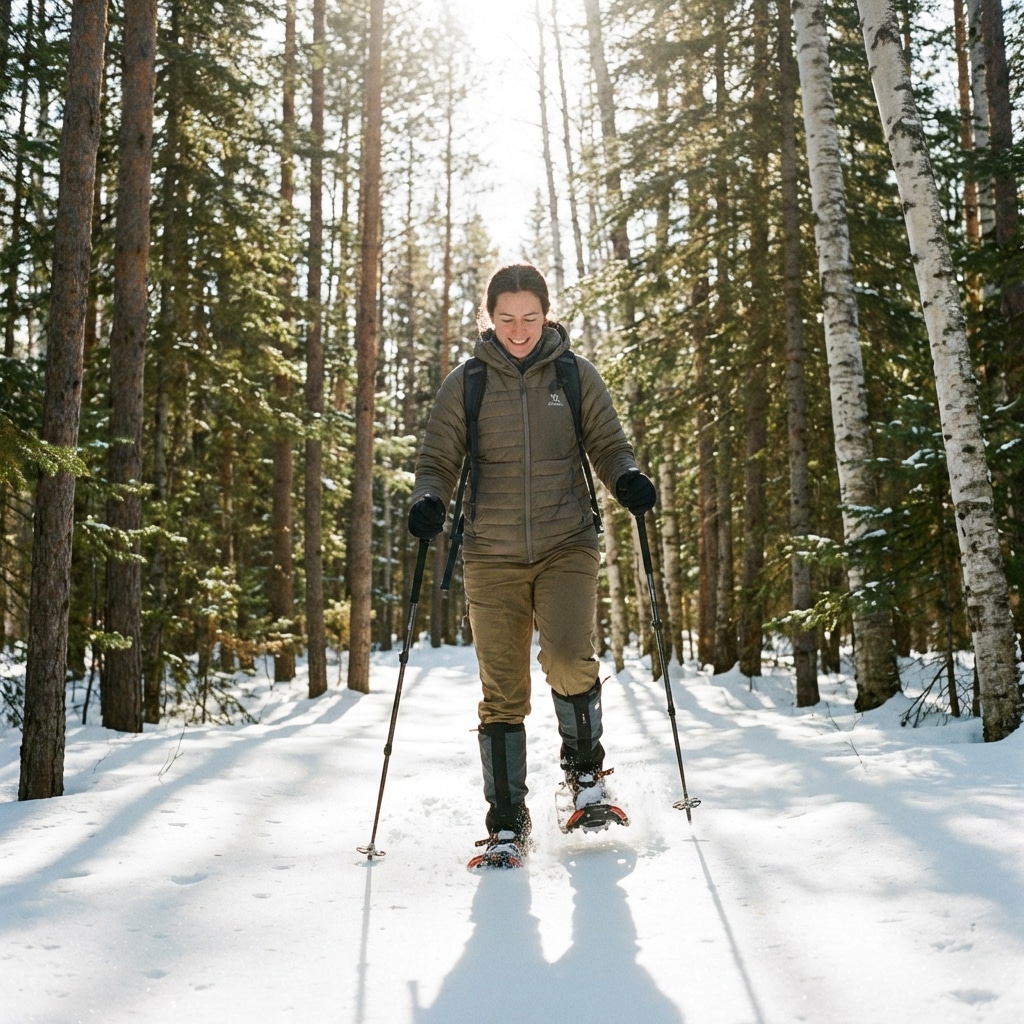
Winter beckons with serene landscapes, crisp air, and the promise of exhilarating outdoor adventures. Among the best ways to immerse yourself in this frosty beauty is snowshoeing. It’s a fantastic blend of peaceful exploration and a robust cardio workout. But to truly unlock the magic of a winter wonderland – without painful blisters or frozen toes – your journey begins with the right foundation: your boots.
Choosing the perfect pair of snowshoeing boots isn’t just about comfort; it’s about warmth, performance, and ultimately, whether your day is a joyous trek or a miserable slog. So, what kind of boots should you wear snowshoeing to ensure every step is an enjoyable one? Let’s dive in.
Why Your Snowshoeing Boots Are Non-Negotiable
Your boots are the crucial link between your feet and your snowshoes, enduring constant friction, cold, and moisture. Inappropriate or ill-fitting boots can quickly turn a dream outing into a nightmare. Here’s why investing in the right snowshoeing boots is paramount:
Unrivaled Comfort & Fit: You’ll be on your feet for hours. Boots that pinch, rub, or are too loose lead to blisters and discomfort, cutting your adventure short.
Superior Warmth & Insulation: Freezing temperatures demand exceptional insulation. The right boots keep your feet toasty, preventing frostbite and enhancing overall enjoyment.
Essential Protection & Durability: Snowshoeing involves varied terrain, from packed snow to icy patches. Durable, well-constructed boots protect your feet from impacts, sharp ice, and provide crucial ankle support.
Optimized Performance & Control: Boots designed for winter activities integrate better with snowshoe bindings, offering a secure connection and efficient transfer of power for easier movement and better traction.
Decoding Snowshoeing Boot Types: Your Best Options
The market offers a range of winter footwear, but not all are created equal for snowshoeing. Understanding the pros and cons of each type will help you match your boots to your specific needs and terrain.
1. Winter Hiking Boots: The Versatile Champion
Often the go-to choice for most snowshoers, winter hiking boots strike an excellent balance between comfort, warmth, and mobility. They are designed for varied winter conditions and offer good ankle support.
Key Features: Typically waterproof (e.g., Gore-Tex, eVent membranes), insulated (e.g., Thinsulate), and feature aggressive rubber outsoles for traction.
Ideal For: Casual to moderate snowshoeing, day trips, groomed trails, and rolling terrain. They offer enough flexibility for a natural walking stride.
2. Mountaineering Boots: For Rugged Terrain & Extreme Cold
If your snowshoeing adventures lead you into the backcountry, onto steep ascents, or into truly bitter conditions, mountaineering boots are your ally. These are robust, stiffer, and highly insulated.
Key Features: Superior warmth and insulation, often compatible with technical crampons, extremely durable, and provide maximum ankle support. They are generally stiffer than hiking boots.
Ideal For: Multi-day expeditions, high altitudes, extreme cold, icy conditions, and steep, technical terrain where rigid support is essential.
3. Insulated Winter Pac Boots: Maximum Warmth, Casual Comfort
When extreme cold is the primary concern and technical performance is secondary, insulated winter pac boots shine. Think of them as super-warm, cozy cocoons for your feet.
Key Features: Exceptionally thick insulation (often removable felt liners), waterproof rubber lowers, and a looser, more relaxed fit.
Ideal For: Very cold, flat to rolling terrain, casual snowshoeing, ice fishing, or situations where warmth is prioritized over agility and precise foot placement. They can be bulky, so ensure they fit your bindings.
Key Features to Look for in Snowshoeing Boots
Beyond the general boot type, several critical features dictate a boot’s suitability for snowshoeing. Prioritize these elements when making your selection.
Waterproofing: Stay Dry, Stay Happy
Wet feet are cold feet. Look for boots with a high-quality waterproof and breathable membrane like Gore-Tex, eVent, or a reputable proprietary system. This barrier keeps snowmelt out while allowing perspiration to escape.
Insulation: Battling the Cold
Thinsulate, PrimaLoft, and wool felt are common insulating materials. The amount of insulation (measured in grams, e.g., 200g, 400g) you need depends on the typical temperatures you’ll encounter and your personal circulation. More insulation equals more warmth.
Fit & Comfort: Your Feet’s Best Friend
A good fit is paramount. Your heel should feel snug, but you should have enough room to wiggle your toes. Look for adequate ankle support to prevent twists and turns on uneven terrain, particularly crucial when carrying a pack.
Sole & Traction: Grip the Winter World
While snowshoes provide primary traction, your boot’s outsole is important when you’re off the snowshoes or on icy patches. Aggressive rubber lugs offer superior grip on various winter surfaces.
Weight & Flexibility: Efficiency on the Trail
Heavier boots can lead to quicker fatigue, especially over long distances. Find a balance between protection, insulation, and weight. More flexible boots are better for casual walking, while stiffer boots offer more control for challenging terrain.
Compatibility with Bindings: A Seamless Connection
Ensure your chosen boots fit securely and comfortably within your snowshoe bindings. Some larger pac boots might struggle with certain binding designs, causing discomfort or instability. Test them together if possible!
Essential Tips for Choosing and Using Your Snowshoe Boots
Beyond the technical specs, these practical tips will help you make the best decision and ensure lasting comfort on the trail.
Always Try Before You Buy (with Your Socks!)
Visit a specialty outdoor retailer. Try on boots with the actual socks you plan to wear. Walk around the store, paying close attention to any pressure points, heel lift, or rubbing. Don’t rush this step!
Break Them In Properly
New boots can be stiff. Wear them for short walks around your neighborhood or house before hitting a long trail. This helps the boots mold to your feet and reduces the risk of blisters on your first big adventure.
Don’t Forget Your Socks!
Cotton socks are a no-go in winter; they absorb moisture and lose insulation. Opt for merino wool or synthetic blend socks that wick away sweat and retain warmth, even when damp. Consider a thin liner sock under a thicker outer sock for optimal comfort and blister prevention.
Maintain Your Boots
Proper care extends the life and performance of your boots. After each trip, clean off dirt and debris, then allow them to air dry completely away from direct heat. Reapply waterproofing treatments as needed.
Conclusion: Step into Your Best Winter Adventure
Choosing the right boots for snowshoeing is a cornerstone of a safe, comfortable, and truly enjoyable winter experience. Whether you opt for versatile winter hiking boots, rugged mountaineering boots, or supremely warm pac boots, prioritize waterproofing, insulation, and a precise fit. With the perfect pair on your feet, you’ll be ready to embrace the serene beauty and invigorating challenge of the winter landscape. Happy snowshoeing!