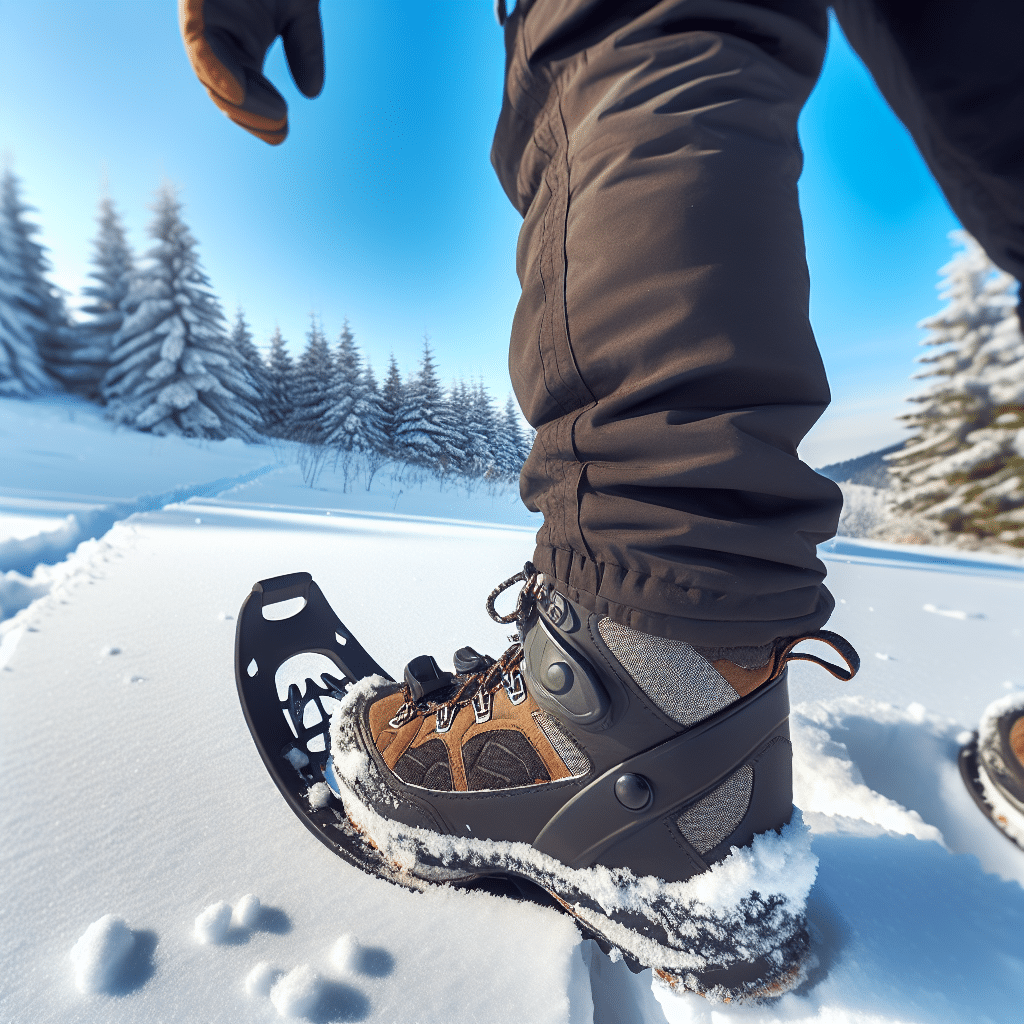
Mastering the Snow: Your Essential Guide to Choosing the Best Snowshoeing Boots
Navigating pristine, snow-covered trails offers an unparalleled sense of adventure and tranquility. Yet, even the most breathtaking winter landscapes can turn challenging if your gear isn’t up to par. Among all your snowshoeing equipment, your boots play a starring role in transforming a potentially miserable outing into an unforgettable experience.
The right pair of snowshoeing boots delivers the critical warmth, comfort, stability, and traction needed to conquer snowy terrain. But with countless options available, how do you choose the boots that will truly elevate your winter adventures? Let’s explore the essentials to ensure your feet stay happy, warm, and secure on every journey.
Why Your Snowshoeing Boots Are Non-Negotiable
Before diving into specific features, it’s vital to understand the profound impact your boot choice has on your snowshoeing experience. These aren’t just any winter boots; they are your primary line of defense and performance enhancer.
Superior Protection Against Harsh Elements
Snowshoeing often means extended exposure to frigid temperatures and wet snow. Your boots must act as a fortress, shielding your feet from frostbite, hypothermia, and general discomfort. Adequate insulation and waterproofing are paramount for foot health.
Unmatched Comfort and Performance
Snowshoeing is a physically demanding activity that can last for hours. Ill-fitting or uncomfortable boots can quickly lead to blisters, chafing, and general foot fatigue. Proper fit and ergonomic design ensure you can focus on the scenery, not your aching feet.
Enhanced Safety and Stability
Navigating uneven, icy, or slushy terrain requires absolute confidence in your footing. Boots designed for snowshoeing offer robust ankle support and superior traction, minimizing the risk of slips, falls, and ankle injuries. This stability is crucial for both novice and experienced snowshoers.
Essential Features of High-Performance Snowshoeing Boots
Knowing why your boot choice is crucial is only the first step. Now, let’s explore the key technical features that define an ideal pair of snowshoeing boots. Prioritizing these attributes will guide you towards a smart investment.
Robust Waterproofing
Wet feet are cold feet, and cold feet quickly become miserable. Look for boots with high-quality waterproof membranes like GORE-TEX, BDry, or Omni-Tech. These technologies prevent water from seeping in while allowing moisture vapor to escape, keeping your feet dry and comfortable.
Effective Insulation
Beyond waterproofing, excellent insulation is vital for warmth. Many boots use synthetic materials like Thinsulate, PrimaLoft, or Opti-Warm, often rated by gram weight (e.g., 200g, 400g). Consider your typical snowshoeing conditions; colder climates demand higher insulation ratings, sometimes with temperature ratings down to -25°F or colder.
Reliable Ankle Support
To prevent sprains and provide stability on varied terrain, opt for boots with a mid to high-cut design. This higher shaft wraps around your ankle, offering crucial support. While low-cut boots might be lighter, they offer insufficient protection for true snowshoeing conditions.
Aggressive Traction and Outsole Design
The outsole is your connection to the snow and ice. Look for boots with deep, multi-directional lugs and a non-slip rubber compound. These aggressive tread patterns grip slick surfaces, providing confidence on packed snow, slush, and icy patches. Some outsoles are specifically designed to remain flexible in freezing temperatures, further enhancing grip.
Gaiter Compatibility (Value Add)
While not strictly a boot feature, compatibility with gaiters is a huge plus. Many snowshoeing boots feature a D-ring at the front for attaching gaiters. Gaiters provide an extra barrier against snow entering the top of your boots, keeping your feet drier and warmer throughout your trek.
Mastering the Fit: How to Choose Your Perfect Pair
Even the most feature-rich boot is useless if it doesn’t fit correctly. A proper fit is paramount for comfort, warmth, and preventing injuries. Follow these guidelines to find your ideal snowshoeing boots.
Try Them On Later in the Day: Your feet swell throughout the day, so trying on boots in the afternoon or evening mimics their size during activity.
Wear Your Snowshoeing Socks: Always try on boots with the same type of socks you’ll wear on the trail. This ensures an accurate fit.
Check for Toe Room: Your toes should have enough space to wiggle freely, but not so much that your foot slides forward. A thumb’s width between your longest toe and the boot’s end is a good benchmark.
Eliminate Heel Slip: Walk around in the boots and pay attention to your heel. A slight lift is acceptable, but significant heel slippage can cause blisters.
Consider Different Foot Shapes: Brands often cater to specific foot shapes (narrow, wide, high arch). Don’t be afraid to try multiple brands and models.
Think About Activity Level: For casual, flat-trail snowshoeing, a slightly more flexible boot might be fine. For aggressive, backcountry expeditions, prioritize stiffer support and protection.
Top Picks: Recommended Snowshoeing Boots for 2025 Adventures
While personal preference and fit are key, certain boots consistently earn high marks for their performance in snowshoeing conditions. Here are a few reliable options often lauded by winter enthusiasts.
Columbia Men’s Bugaboot Plus IV Omni-Heat
A perennial favorite, the Bugaboot Plus IV boasts Columbia’s thermal-reflective lining for exceptional warmth without bulk. Its waterproof construction and rugged outsole provide superior cushioning and traction, making it a dependable choice for varied winter conditions and long days on the snow.
Merrell Women’s Thermo Chill Mid Waterproof
Designed for comfort and warmth, the Thermo Chill Mid offers a fantastic balance for female snowshoers. With M-Select DRY waterproofing and lightweight insulation, these boots ensure feet stay dry and cozy, complemented by a grippy outsole for confident steps.
Keen Men’s Targhee II Mid Waterproof Hiking Boot
While primarily a hiking boot, the Targhee II’s robust design makes it an excellent crossover for snowshoeing in milder conditions or for those who prefer a more agile feel. Its waterproof leather upper, excellent torsional support, and multi-directional lugs provide reliable performance on diverse winter trails.
Embark on Your Next Winter Journey with Confidence
Your snowshoeing experience hinges significantly on the quality and fit of your boots. Investing in the right pair means more than just comfort; it’s about safety, endurance, and ultimately, a deeper enjoyment of the winter wilderness. Prioritize waterproofing, insulation, ankle support, and traction, and you’ll be well-equipped for any snowy trail that calls.
Lace up, hit the trails, and savor every moment of your winter adventure without a second thought about cold, wet feet or potential injuries. Happy snowshoeing!