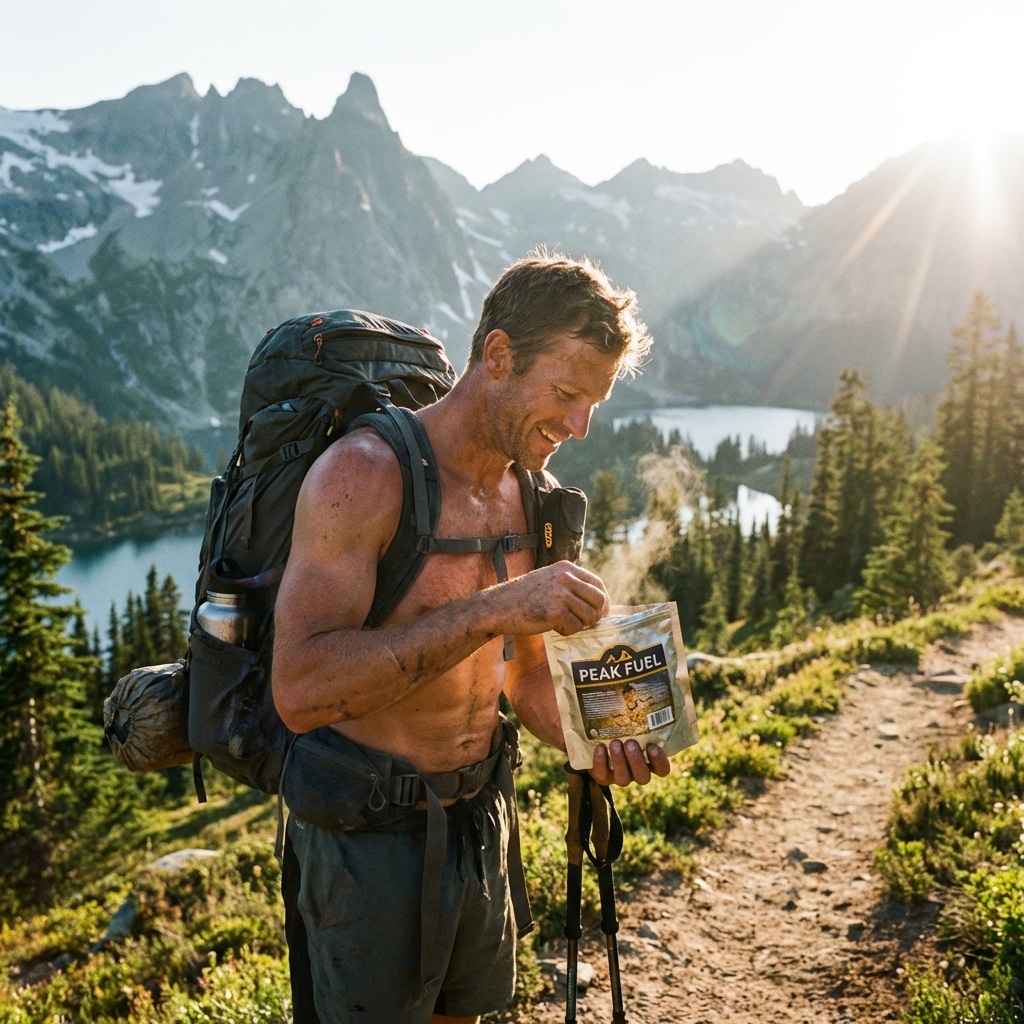
Dreaming of rugged trails, starry nights, and the profound peace of the wilderness? Backpacking offers all this and more. But the magic quickly fades if you’re ill-prepared. Knowing exactly what to bring backpacking is the critical difference between an unforgettable adventure and a miserable ordeal.
This comprehensive guide will equip you with a meticulously curated backpacking gear list for 2025, ensuring safety, comfort, and ultimate enjoyment on your next journey into the wild. Let’s dive into the essential items that belong in your pack.

The Foundation: Your Backpack
Your backpack isn’t just a bag; it’s your mobile home on the trail. Choosing the right one is paramount for comfort and efficiency, making it one of the most important essential backpacking items.
Choosing the Right Backpack for Your Adventure
Look for a pack that’s durable, comfortable, and appropriately sized for your trip’s duration. Capacities typically range from 40-70 liters; a weekend trip might need 40-50L, while longer expeditions demand 60L+.
Key features include adjustable shoulder straps, a padded hip belt to transfer weight to your legs, and a sturdy internal frame. Try on packs with weight to find one that fits your torso length and body type perfectly.
Smart Packing Strategies for the Trail
Efficient organization saves time and energy. Place heavier items like food and water close to your back, centered between your shoulder blades, for optimal balance.
Keep frequently needed items—such as a map, snacks, or your first-aid kit—in easily accessible outer pockets. Utilize dry bags or stuff sacks to compartmentalize gear and protect it from moisture.
Dress for Success: Essential Backpacking Clothing
The right clothing system is crucial for adapting to changing weather and staying comfortable. When deciding what clothing to bring backpacking, prioritize versatility and performance.
The Power of Layering
Layering is your best defense against the elements. Start with a moisture-wicking base layer (merino wool or synthetic) to manage sweat, keeping you dry and preventing chafing.
Add an insulating middle layer like a fleece jacket or down puffy for warmth. Top it off with a waterproof and windproof outer shell to protect against rain and gusts. Always pack a warm hat and gloves, even in mild weather, as conditions can change rapidly.
Footwear: Your Trail Buddies
Your feet are your engines, so invest in quality hiking boots or trail runners that offer support, traction, and comfort. Ensure they are broken in well before your trip to prevent blisters.
Pair your footwear with moisture-wicking wool or synthetic socks, and bring several pairs. Pack lightweight camp shoes or sandals for comfort around camp, giving your feet a much-needed break.
Fueling Your Adventure: Food & Water Essentials
Proper nutrition and hydration are non-negotiable for sustained energy on the trail. This section covers key aspects of backpacking food and water management.
Strategic Meal Planning
Focus on lightweight, calorie-dense, and non-perishable foods. Dehydrated meals are convenient, but also pack nuts, dried fruit, energy bars, and jerky for snacks and quick energy boosts.
Carefully plan your meals for each day to avoid carrying excess weight while ensuring sufficient sustenance. Don’t forget a small assortment of spices or hot sauce to elevate simple trail meals.
Staying Hydrated on the Trail
Access to clean drinking water is paramount. Carry a reliable water filtration system—be it a pump filter, gravity filter, or purification tablets—and know how to use it effectively.
Pack multiple water bottles or a collapsible reservoir totaling at least 2-3 liters of carrying capacity. Always know your water sources along your route and plan accordingly.
Safety First: Your Comprehensive First-Aid Kit
A well-stocked backpacking first-aid kit isn’t just a suggestion; it’s a lifeline. Even minor injuries can become major problems in the backcountry.
Beyond the Basics: Customizing Your Kit
Your kit should include adhesive bandages, antiseptic wipes, medical tape, gauze pads, tweezers, pain relievers, and any personal medications. Consider moleskin for blisters and allergy medication.
For added preparedness, include a small bottle of hand sanitizer, sunscreen, and insect repellent. A lightweight emergency blanket or shelter can also be a life-saver in unexpected situations.
Navigate & Repair: Tools and Tech for the Trail
Knowing where you are and how to fix minor gear issues can prevent major headaches. These backpacking essentials provide security and problem-solving capabilities.
Essential Navigation Aids
While smartphones are useful, they shouldn’t be your sole navigation tool. Always carry a physical map of your route and a compass, and know how to use them.
A dedicated GPS device or a downloaded offline map on your phone offers excellent backup. Don’t forget a portable power bank and charging cables to keep your electronics alive.
The Indispensable Multi-Tool & Repair Kit
A quality multi-tool with pliers, knives, and screwdrivers can handle countless small tasks. From fixing a broken tent pole to opening stubborn food packaging, it’s incredibly versatile.
Pack a small repair kit containing duct tape (wrapped around a trekking pole or water bottle), safety pins, cordage, and a needle and strong thread. These items can make temporary repairs that get you through your trip.
A Restful Night: Sleeping Gear
A good night’s sleep recharges your body and mind. Your sleeping system is fundamental to your comfort in the backcountry.
Your Mobile Bedroom: Tent, Bag & Pad
Choose a lightweight tent or shelter appropriate for your group size and expected weather conditions. A good shelter protects you from the elements and provides privacy.
Select a sleeping bag rated for the lowest temperatures you anticipate, considering both insulation type (down or synthetic) and weight. Pair it with an insulated sleeping pad for warmth and comfort, as the ground draws significant heat.
Illuminating Your Path: Lighting & More
Don’t underestimate the importance of reliable light and other small but critical items that enhance safety and comfort.
Headlamps, Fires & Extras
A reliable headlamp with extra batteries is an absolute must for navigating camp, finding gear, or emergencies in the dark. It frees your hands for other tasks.
Beyond the major items, consider bringing a small fire starter (waterproof matches, lighter, fire steel), sun protection (sunglasses, brimmed hat), and personal hygiene items (biodegradable soap, trowel, toilet paper). These small additions make a big difference.
The Final Check: Before You Hit the Trail
Before stepping out, do a final review of your packing list for a backpacking trip. Lay out all your gear to visualize and confirm nothing is forgotten. Ensure all batteries are charged and everything is packed securely.
Consider the “Ten Essentials” of hiking and backpacking: Navigation, Headlamp, Sun Protection, First Aid, Knife/Repair Kit, Fire Starter, Shelter, Extra Food, Extra Water, Extra Clothes. This framework helps ensure you’re prepared for common outdoor risks.
Ready for Adventure?
Knowing what to bring backpacking is more than just a list; it’s about confidence, safety, and enhancing your connection with nature. Being well-prepared transforms potential challenges into memorable moments.
With this comprehensive guide, you’re now equipped with the knowledge to create your perfect backpacking gear list. Double-check your pack, embrace the planning, and get ready for an incredible journey into the wild. Happy trails!