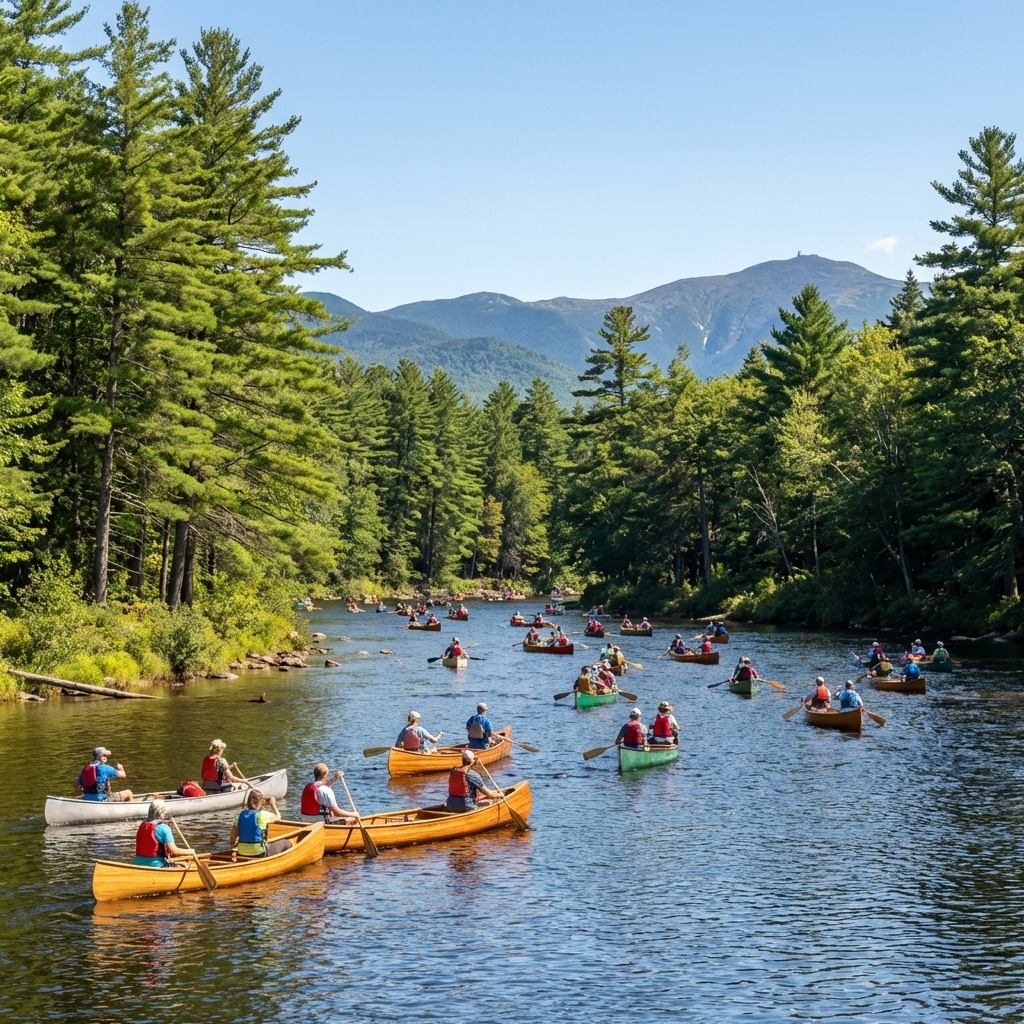
Canoeing offers an unparalleled escape into nature – the gentle glide over serene waters, the whisper of the wind, the symphony of wildlife. It’s an adventure that promises tranquility and a fantastic workout. But to truly savor every moment, your comfort and safety on the water are paramount. And that starts with one crucial decision: knowing precisely what to wear when canoeing.
Forget bulky jeans or absorbent cotton; the right attire can transform your journey from a potential struggle into pure bliss. Your clothing acts as your first line of defense against the elements, ensuring you stay warm, dry, protected, and mobile. Let’s dive into this comprehensive guide to gearing up for your next paddling expedition.
Why Your Canoeing Outfit Matters (More Than You Think)
Before we break down specific items, it’s vital to grasp the “why.” Choosing appropriate canoeing attire isn’t just about looking the part; it’s about safeguarding your health and enhancing your experience. The right gear protects you from sunburn, windburn, chafing, and even hypothermia, which can strike even on seemingly warm days if you get wet.
Additionally, proper clothing ensures you have the full range of motion needed for effective paddling and re-entry if you capsize. It’s about being prepared for any scenario nature throws your way, making your adventure both fun and secure.
The Layering Strategy: Your Secret to Comfort and Versatility
The golden rule for dressing for any outdoor activity, especially canoeing, is layering. This allows you to adapt instantly to changing weather conditions, from sunny skies to sudden downpours or dropping temperatures. Think of it as a customizable climate control system for your body.
Base Layer: Your Moisture Manager
Your base layer is closest to your skin and its primary job is to wick moisture away from your body. This keeps you dry, which is crucial for staying warm in cool weather and cool in warm weather.
Synthetic Fabrics: Polyester, nylon, and polypropylene are excellent choices. They are quick-drying and pull sweat away efficiently.
Merino Wool: A fantastic natural alternative. It wicks moisture, regulates temperature, and resists odor, making it ideal for longer trips.
Avoid Cotton: Cotton absorbs water and holds it against your skin, making you feel cold, heavy, and miserable once wet. It “kills” in outdoor scenarios.
Middle Layer: The Insulation Station
This layer provides warmth by trapping body heat. Its thickness depends entirely on the expected air and water temperatures.
Fleece: Lightweight, warm, and dries relatively quickly. A fleece jacket or vest is a versatile choice.
Synthetic Puffy Jackets: Offer excellent warmth-to-weight ratio and perform well even when damp, unlike down.
Soft-Shell Jackets: Provide a good balance of warmth, breathability, and some wind resistance for milder conditions.
Outer Layer: Your Shield Against the Elements
The outermost layer protects you from wind, rain, and splash. It’s your primary defense against external moisture and cold.
Waterproof & Windproof Jacket: Look for breathable materials like Gore-Tex or similar proprietary waterproof-breathable membranes. These keep rain and wind out while allowing perspiration to escape.
Waterproof Pants: Essential for keeping your lower half dry, especially if you’re kneeling in the canoe or anticipate splashing.
Essential Footwear: Keep Your Feet Happy and Protected
Your feet will inevitably get wet, whether from launching, landing, or splashes. The right footwear is crucial for comfort, grip, and protection against submerged hazards.
Water Shoes or Sport Sandals: Designed specifically for wet conditions, these offer excellent grip on slippery surfaces, drain quickly, and protect your feet from rocks or debris. Ensure they have closed toes if possible.
Neoprene Booties: For colder conditions, neoprene booties provide excellent insulation and keep your feet warm even when submerged. They offer flexibility and a snug fit, reducing blister risk.
Old Sneakers (with caution): If water shoes aren’t an option, an old pair of sneakers that you don’t mind getting soaked can work, but ensure they offer good drainage and grip. Avoid heavy canvas shoes that absorb water.
No Bare Feet or Flip-Flops: These offer no protection from sharp objects, hot sand, or slippery surfaces, making them dangerous for canoeing.
Head-to-Toe Protection: Don’t Forget the Extremities!
Protecting your head and hands is often overlooked but vital for comfort and safety.
Headgear for Sun & Cold
Wide-Brimmed Hat: Essential for sunny days. It shields your face, neck, and ears from harmful UV rays. Look for one with an adjustable chin strap to prevent it from blowing away.
Ball Cap: Offers face protection but leaves your neck and ears exposed. Pair with sunscreen or a buff.
Beanie or Thermal Hat: In colder weather, a fleece or wool beanie will retain precious body heat, as a significant amount can be lost through your head.
Hand Protection
Paddling Gloves: These can prevent blisters and improve your grip on the paddle, especially after hours of paddling. Opt for quick-drying, breathable materials.
Neoprene Gloves: For very cold conditions, neoprene gloves keep your hands warm even when wet.
Must-Have Accessories: The Little Things That Make a Big Difference
Beyond your main clothing items, a few essential accessories can significantly elevate your canoeing experience.
Sunglasses: Polarized lenses are a game-changer. They reduce glare from the water, improving visibility and protecting your eyes from UV rays. A retainer strap is a must-have to prevent losing them overboard.
Sunscreen: Apply generously to all exposed skin, even on cloudy days. Water reflects UV rays, increasing your risk of sunburn.
Lip Balm with SPF: Your lips are also susceptible to sun and windburn.
Insect Repellent: Depending on the location and time of year, bugs can be a nuisance. Keep repellent handy.
Dry Bag: While not “worn,” a small dry bag is essential for keeping spare clothes, electronics, and snacks dry inside your canoe.
Water Bottle: Staying hydrated is crucial.
Safety First: Your Personal Flotation Device (PFD)
This isn’t just an accessory; it’s a non-negotiable piece of safety equipment. Regardless of your swimming ability or the calmness of the water, a well-fitting Personal Flotation Device (PFD) is absolutely essential.
Choose a PFD that is comfortable enough to wear for extended periods, allows for full range of motion for paddling, and is approved by relevant safety authorities (e.g., USCG-approved in the U.S.). Make sure it fits snugly – it shouldn’t ride up around your ears when you’re in the water.
What to Avoid When Canoeing
Just as important as knowing what to wear is knowing what *not* to wear:
Cotton (Jeans, T-shirts, Sweatshirts): As mentioned, cotton absorbs water and stays wet, leading to chafing, discomfort, and a rapid loss of body heat.
Bulky Clothing: Restricts movement and can become heavy and cumbersome when wet.
Open-Toed Shoes (Flip-flops, bare feet): Offer no protection from sharp rocks, sticks, or other submerged hazards.
Heavy or Non-Quick-Drying Materials: Will weigh you down and make you cold if they get wet.
Ready to Paddle? A Quick Checklist for Your Next Canoe Trip
To help you prepare, here’s a quick summary of your ideal canoeing outfit:
Base Layer: Moisture-wicking synthetic or merino wool shirt & bottoms
Mid Layer: Fleece jacket or synthetic puffy (weather dependent)
Outer Layer: Waterproof & windproof jacket and pants
Footwear: Water shoes, sport sandals with toe protection, or neoprene booties
Head: Wide-brimmed hat (sun) or beanie (cold)
Hands: Paddling gloves (optional, but recommended)
Eyes: Polarized sunglasses with a retainer
Safety: Properly fitting PFD (mandatory!)
Sun Protection: Sunscreen, lip balm with SPF
Extras: Dry bag, water bottle, insect repellent
Final Thoughts: Paddle with Confidence and Comfort
Knowing what to wear when canoeing isn’t just about packing a bag; it’s about intelligent preparation that directly impacts your safety, comfort, and overall enjoyment on the water. By choosing the right layers, footwear, and accessories, you’re not just dressing for the occasion – you’re gearing up for an unforgettable adventure, come rain or shine.
So, take the time to choose your attire wisely, secure your PFD, and set off with the confidence that you’re ready for whatever the river or lake has in store. Happy paddling!