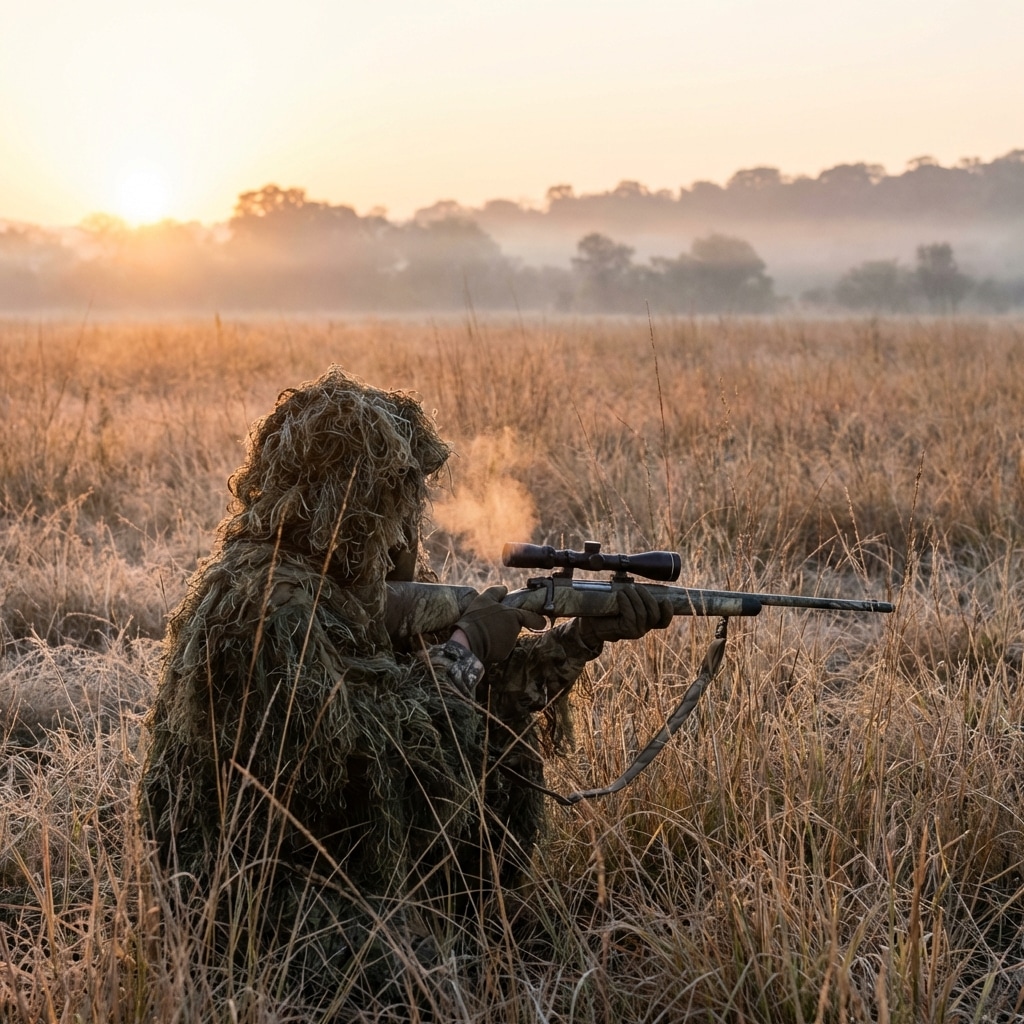
The crisp autumn air, the rustle of leaves, the anticipation… For dedicated outdoor enthusiasts, few things ignite the spirit quite like the impending start of hunting season. It’s a time of preparation, planning, and eager immersion in the wilderness. Yet, asking “When does hunting season start?” isn’t a simple question with a single answer. It’s a complex puzzle influenced by geography, species, and intricate regulations.
Whether you’re a seasoned hunter mapping out your next adventure or a novice looking to understand the sport, deciphering these varying timelines is crucial. Let’s break down the key factors that determine when you can officially head afield.
The Core Factors: Why Hunting Seasons Vary So Much
Understanding the start of hunting season requires looking at several critical elements. These factors aren’t arbitrary; they’re carefully considered by wildlife agencies to ensure sustainable hunting and healthy animal populations.
Location: State-Specific Regulations Are King
One of the most significant determinants of hunting season dates is your geographical location. Every state in the U.S., and indeed different countries globally, establishes its own unique hunting calendar. These calendars are tailored to local wildlife populations and ecological conditions.
For instance, in Northern states like Minnesota or Michigan, deer hunting season often kicks off in late September or early October. This timing frequently aligns with the deer rut, their breeding season, when bucks are more active. Conversely, Southern states like Texas or Florida might have vastly different start dates, which could be earlier or later, reflecting their unique climate and deer breeding cycles.
Your Target Species: Different Game, Different Rules
Beyond location, the specific game animal you’re pursuing plays a pivotal role in determining when hunting season starts. Seasons are meticulously set for each species to protect their breeding cycles and ensure population health.
Deer & Large Game: Seasons for big game like deer, elk, and moose typically commence in the fall, often from late September through December. This period is chosen for biological sustainability and favorable hunting conditions.
Small Game: For animals such as rabbits, squirrels, and grouse, hunting seasons can begin much earlier. Many regions open small game seasons in late summer or early fall, often in August or September, capitalizing on larger populations before winter.
Waterfowl: Duck and goose seasons are often tied to migratory patterns. They commonly start in mid to late fall and can extend into winter, managed by federal and state agencies to ensure conservation across flyways.
Upland Birds: Game birds like pheasants, quail, and partridge typically have seasons starting in October and running into January. These seasons are often paired with specific habitat management efforts.
Special Hunts & Permits: Expanding Your Opportunities
In addition to general seasons, many states offer specialized hunts and permits that can alter when you head out. These unique opportunities serve various purposes, from wildlife management to introducing new hunters to the sport.
Youth Hunts: Often held a week or two before the general season, these provide a less crowded and more focused environment for young hunters to learn. It’s a fantastic way to pass on hunting traditions responsibly.
Archery & Muzzleloader Seasons: These specialized equipment seasons typically precede the general firearms season. They offer hunters unique challenges and often an extended period to pursue game.
Managed & Draw Hunts: For species with limited tags or in specific areas, state agencies may offer lottery-based permits or controlled hunts. These can have highly specific dates, often aimed at population control or trophy management.
The Science & Strategy Behind Season Dates
The varied start dates for hunting seasons aren’t arbitrary. They are the result of extensive research, collaboration, and a deep commitment to conservation.
Wildlife Conservation & Population Management
At its core, hunting season timing is a critical tool for wildlife management. Agencies conduct comprehensive population surveys, monitor breeding success, and assess habitat health. Seasons are set to ensure that hunting pressure does not negatively impact animal populations, allowing them to thrive year after year.
Hunting during specific biological windows, such as after young animals are self-sufficient, contributes to sustainable harvesting. This scientific approach ensures that future generations can also enjoy abundant wildlife.
Legal Framework & Agency Oversight
State and federal wildlife agencies, such as the Department of Fish and Wildlife, are the primary bodies responsible for establishing hunting regulations. These decisions involve biologists, public input, and sometimes legislative approval. Hunters are legally bound to adhere strictly to these regulations, with severe penalties for violations.
Economic Impact & Community Benefits
Hunting is a significant economic driver in many rural communities. The timing of seasons can be strategically planned to maximize hunter participation, bringing vital revenue to local businesses. This includes everything from gear retailers and outfitters to hotels, restaurants, and gas stations.
Beyond direct spending, hunting license fees and excise taxes on hunting equipment directly fund conservation efforts. This symbiotic relationship ensures that hunting supports the very wildlife it pursues.
Your Ultimate Pre-Season Checklist
Once you’ve pinpointed when hunting season starts for your desired game and location, thorough preparation becomes paramount. Being ready ensures a safer, more enjoyable, and often more successful hunt.
Verify Current Regulations: Always check the most up-to-date hunting regulations for your specific area. These can change annually, so consult your state’s wildlife agency website for the latest season dates, bag limits, and permit requirements.
Gear Up & Inspect: Ensure all your equipment is in peak condition. This includes your firearm or bow, optics, camouflage, boots, and field dressing tools. Clean, inspect, and repair anything necessary.
Scout Your Hunting Area: Pre-season scouting is invaluable. Look for fresh tracks, droppings, feeding areas, and bedding spots. Understanding animal movement patterns can significantly increase your success rate.
Prioritize Safety: Never compromise on safety. Review hunter safety principles, ensure your firearm is unloaded until ready to use, and always be aware of your surroundings and hunting partners. Consider taking an advanced safety course.
Physical & Mental Preparation: Hunting can be physically demanding. Get in shape, practice your shooting, and mentally prepare for the challenges and rewards of being in the outdoors. A prepared mind and body enhance the entire experience.
Ready for the Field: A Responsible Hunter’s Mindset
So, when does hunting season start? The answer, as we’ve explored, is a dynamic tapestry woven from regional variations, species-specific timelines, and comprehensive conservation strategies. It’s rarely a single date, but rather a season of opportunities.
By staying informed, preparing diligently, and understanding the ‘why’ behind the regulations, you embrace the role of a responsible hunter. This mindset not only enhances your personal experience but also contributes to the enduring health of wildlife populations and the rich tradition of hunting. Now, get ready for the field and enjoy the thrill of the chase responsibly!