Southern California: a dreamscape of sun-kissed beaches, iconic surf breaks, and endless coastline. But beyond the well-trodden paths lies a secret world for seafood enthusiasts, especially those eager to discover the thrill of clam digging. If you’ve ever wondered where to go clam digging in Southern California for a truly rewarding experience, you’re in the right place.
This guide will uncover the prime locations, essential gear, and crucial tips to ensure your next coastal adventure is both fruitful and unforgettable. Prepare to connect with nature, enjoy the satisfaction of a self-harvested meal, and create lasting memories on the Golden State’s magnificent shores.
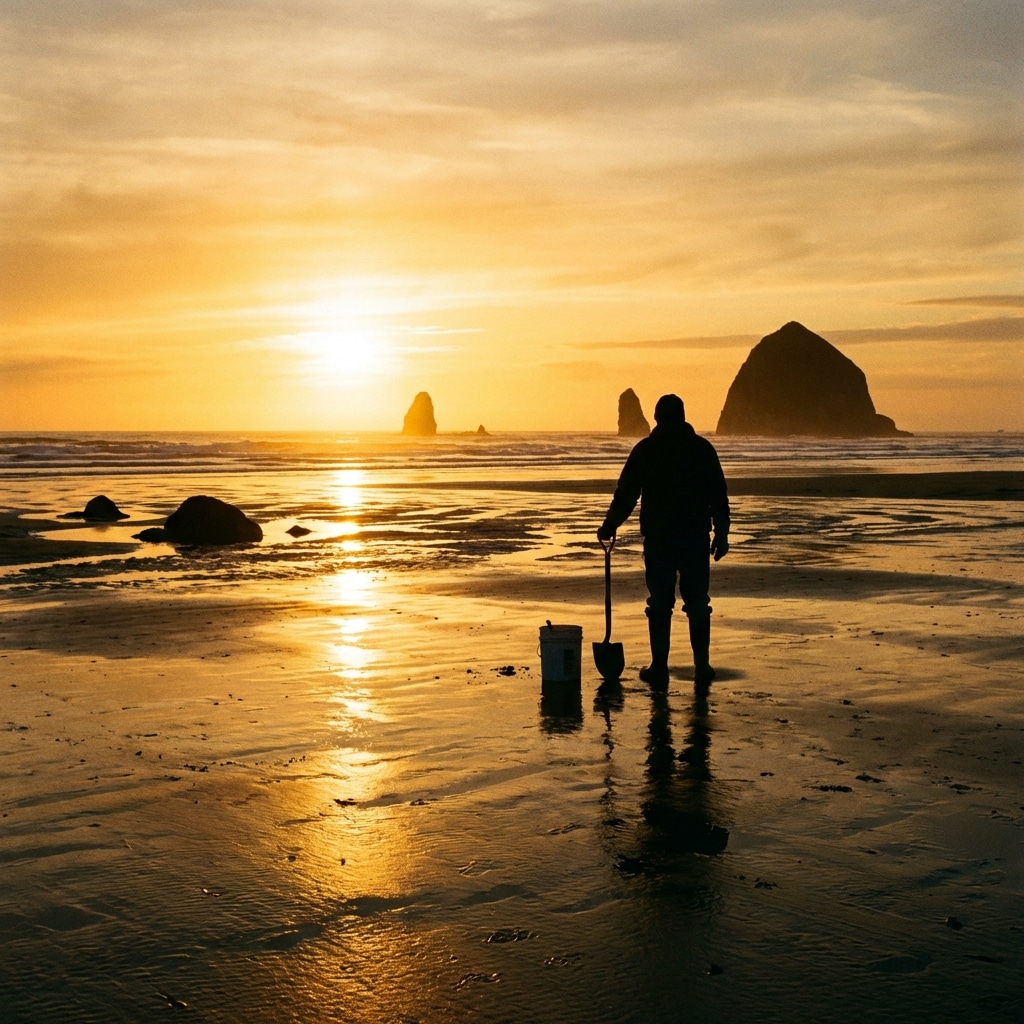
Clam digging is more than just a pastime; it’s an immersive experience that blends adventure, nature, and the ultimate culinary reward. Imagine the cool sand beneath your feet, the rhythmic sound of waves, and the excitement of uncovering your own fresh seafood. It’s a primal connection to the ocean and a uniquely satisfying way to spend a day outdoors.
This activity is perfect for families, solo explorers, or anyone looking to unwind and gather some of the freshest shellfish imaginable. Beyond the harvest, it’s an opportunity to appreciate Southern California’s stunning intertidal zones and the diverse marine life they support.
Top Spots: Where to Go Clam Digging in Southern California
Southern California boasts several fantastic locations where clams thrive, offering diverse environments for both novice and seasoned clam diggers. Remember to always check local regulations and conditions before heading out, as they can change.
Pismo Beach: The Legendary Clam Capital
Pismo Beach is arguably the most famous clamming destination in Southern California, renowned for its massive Pismo clams. Its expansive, gently sloping beaches provide an ideal landscape for finding these elusive bivalves, especially during extreme low tides. The wide sandy stretches make it accessible and enjoyable for the whole family.
Historically, Pismo Beach was so abundant with clams it earned the nickname “Clam Capital of the World.” While populations fluctuate, careful digging and adherence to regulations ensure this tradition continues. Always verify current conditions and any potential moratoriums designed to protect the clam population.
Bolsa Chica State Beach: Huntington Beach’s Razor Clam Hotspot
Located in Huntington Beach, Bolsa Chica State Beach offers another excellent opportunity for clam digging, particularly for razor clams. This serene environment is perfect for a peaceful day by the ocean, combining the thrill of the hunt with beautiful coastal scenery. Its long, sandy shores are popular among local clamming enthusiasts.
Bolsa Chica is part of a sensitive ecological reserve, so adhering to all local guidelines and possessing the proper permits is crucial. This ensures the sustainability of the clam beds and the preservation of the diverse wetland habitat.
Silver Strand State Beach: San Diego’s Tranquil Treasure
Near Coronado in San Diego, Silver Strand State Beach is a lesser-known but equally rewarding spot for clam digging. This tranquil beach offers a variety of clam species, including littleneck and razor clams, in a more relaxed atmosphere. The calm waters and relatively quiet ambiance make it an ideal choice for a serene clamming adventure.
Its unique location, connecting Coronado to the mainland, provides a picturesque backdrop for your digging efforts. Silver Strand is excellent for those looking to escape the crowds and enjoy a more intimate connection with the coastal environment while searching for delicious clams.
Timing is Everything: When to Go Clam Digging in SoCal
Successful clam digging heavily relies on timing your visit with the tides. The golden rule is to go during **low tide**, especially extreme low tides, when the water recedes to expose vast stretches of sand where clams bury themselves.
Typically, the **spring and fall tides** are the most favorable, offering the lowest low tides of the year. For the best experience and fewer crowds, aim for early mornings or late afternoons during these periods. Always consult a local tide chart before you plan your trip.
Equipping Your Adventure: Essential Clam Digging Gear
Before you head to the beach, having the right equipment will make your clam digging experience much more productive and enjoyable. Don’t underestimate the importance of preparation!
Must-Have Tools & Attire
Bucket or Mesh Bag: Essential for collecting and transporting your clams. A mesh bag allows water to drain, keeping your catch fresh.
Clam Digging Tools: A short-handled shovel, a clam rake, or even a sturdy hand trowel are ideal. Some prefer simply using their hands, especially for smaller clams.
Waterproof Boots & Clothing: You’ll be getting wet and muddy! Wear waterproof boots (like waders or rubber boots) and comfortable, layered clothing that can withstand sand and water.
Gloves: Protect your hands from shells, rocks, and the cold water. Neoprene gloves are excellent for warmth and grip.
Sun Protection: Even on cloudy days, the sun reflects off the water. Bring a hat, sunglasses, and reef-safe sunscreen.
Legal & Practical Necessities
California Sport Fishing License with Ocean Enhancement Stamp: A valid shellfish license is typically required for clam harvesting in California. Obtain one from the California Department of Fish and Wildlife (CDFW) website or authorized vendors.
Measuring Device: Clams often have minimum size requirements to ensure they’ve had a chance to reproduce. A ruler or caliper is crucial to ensure compliance with local laws and avoid penalties.
Respecting the Harvest: Regulations and Conservation
Sustainable clam digging relies on every enthusiast understanding and adhering to local regulations. These rules are in place to protect clam populations and preserve their habitats for future generations.
Understanding the Rules
Size Limits: Many areas enforce minimum size requirements. This allows clams to mature and reproduce before being harvested, ensuring a healthy population.
Bag Limits: There are often daily limits on the number of clams you can collect. These limits prevent over-harvesting and distribute the resource fairly.
Seasons and Closures: Be aware of any seasonal restrictions, temporary closures, or marine protected areas (MPAs) where harvesting is prohibited. These measures protect clams during critical breeding periods or allow depleted areas to recover.
**Always consult the latest regulations from the California Department of Fish and Wildlife (CDFW)** before your trip. Their website is the most reliable source for up-to-date information on limits, seasons, and licensing requirements for your specific clamming location.
Your Step-by-Step Guide: How to Dig for Clams Like a Pro
With your gear ready and regulations understood, it’s time to learn the art of finding and extracting those delicious clams. Here’s how to maximize your chances of success:
1. Spotting Clam “Shows”
Look for small holes, depressions, or “dimples” in the wet sand, especially where water is seeping out. These are often signs (or “shows”) that a clam is buried just beneath the surface, feeding or breathing through its siphon. Different clam species leave distinct signs, so keen observation helps.
2. The Digging Technique
Once you spot a “show,” begin digging a few inches away from it. Dig slowly and carefully, using your shovel or rake in a scooping motion. Digging directly on the dimple can damage the clam’s delicate shell. Most clams are found in the top 6-12 inches of sand, but some can be deeper.
3. Collect, Measure, and Preserve
Once you feel or see a clam, gently unearth it. Immediately measure the clam to ensure it meets the minimum size requirement. If it’s too small, gently rebury it in the sand to allow it to grow. For legal-sized clams, place them in your bucket or mesh bag.
Keep your collected clams in cool, damp conditions. You can leave them in a bucket with some seawater or wet sand until you are ready to head home. Never store them in freshwater, as this will kill them.
From Shore to Plate: Enjoying Your Fresh Catch
The ultimate reward of clam digging is savoring your fresh, self-harvested meal. Once home, clams should be purged of sand and grit. Submerge them in a bucket of clean saltwater for a few hours (or overnight) with a sprinkle of cornmeal, which encourages them to filter and expel any sand.
From classic clam chowder to steamed clams in white wine and garlic, or even a delicious clam pasta, the culinary possibilities are endless. There’s nothing quite like the taste of clams you’ve gathered yourself, fresh from the Pacific.
Conclusion: Your Next Coastal Adventure Awaits
Clam digging in Southern California offers a unique blend of outdoor adventure, family fun, and the satisfaction of a fresh, sustainable meal. Whether you choose the legendary Pismo Beach, the tranquil Bolsa Chica, or the serene Silver Strand, each location promises a memorable experience.
By understanding where to go, when to dig, and how to respect marine ecosystems, you’re set for an incredible journey. So grab your gear, check those tide charts, and prepare to discover the hidden coastal treasures of Southern California. Happy digging!