Dreaming of gliding across the water, harnessing the power of the wind to propel you forward? Windsurfing is an exhilarating water sport that perfectly blends the thrill of surfing with the finesse of sailing. But before you can carve through the waves, understanding the right equipment is key to a safe and enjoyable experience.
Whether you’re a complete beginner or looking to upgrade your gear, this guide will walk you through all the essential windsurfing equipment, explain what each piece does, and help you make informed choices to get started on your wind-powered adventures.

What is Windsurfing? A Quick Overview
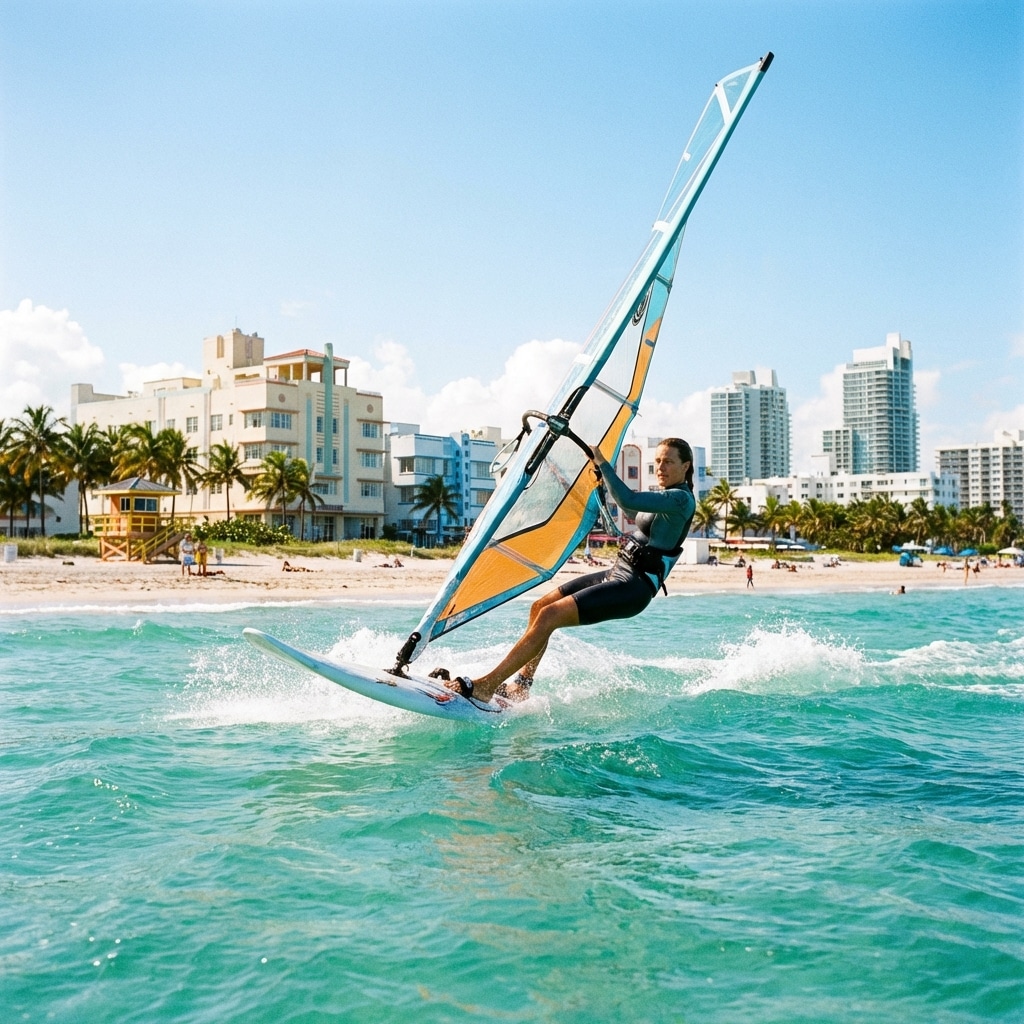
Windsurfing is a dynamic surface water sport that utilizes a board, a sail, and the wind to move across the water. It combines elements of both surfing and sailing, offering a unique blend of speed, balance, and agility.
The rider stands on a board, holding onto a sail that’s connected via a mast and boom. This setup allows the rider to steer and control their direction by manipulating the sail’s angle against the wind. It requires a good sense of balance and some upper body strength, particularly for beginners.
Core Windsurfing Equipment Explained
To get out on the water, you’ll need several specialized pieces of gear that work together seamlessly. Let’s break down the main components of a windsurfing rig.
1. The Windsurf Board
The foundation of your setup, windsurf boards typically range from 8 to 16 feet long. Unlike surfboards, windsurf boards often feature multiple fins for enhanced stability and tracking, especially important when harnessing wind power.
Beginner boards are generally wider and longer, offering more buoyancy and stability to help you learn balance and basic maneuvers. More advanced boards are shorter and narrower for speed and maneuverability.
2. The Sail
This is your engine, catching the wind to propel you. Windsurfing sails are usually made from durable, lightweight materials and come in various sizes, rectangular or triangular in shape.
Sail size is crucial and depends on wind conditions, rider weight, and skill level. Smaller sails are easier to handle in strong winds, while larger sails are needed to catch lighter breezes.
3. The Mast
The mast is the vertical pole that supports the sail and attaches to your board via a mast base. Masts typically range from 6 to 20 feet in height, depending on the sail size they support.
They are commonly made from aluminum or carbon fiber. Carbon fiber masts are lighter and offer better performance, but come at a higher price point.
4. The Boom
The boom is a horizontal frame that attaches to the mast and allows you to hold onto and control the sail. It provides the leverage needed to maneuver the sail and steer the board.
Booms can be adjustable to fit different sail sizes and are typically made from aluminum or carbon fiber, mirroring mast materials for optimal performance.
5. The Harness
A windsurfing harness is worn by the rider and hooks into the boom, allowing you to transfer the sail’s pull from your arms to your body. This significantly reduces fatigue and enables you to sail for longer periods.
There are two main types: waist harnesses, which offer more freedom of movement, and seat harnesses, which provide more support and leverage.
6. Fins
Attached to the bottom of the board, fins provide directional stability and prevent the board from drifting sideways (leeway). Windsurfers often use two or three fins, depending on the board’s design and intended use.
Beyond the Core Gear: Safety and Comfort
While the board, sail, mast, boom, and harness form the essential rig, other items are crucial for comfort, safety, and enhancing your experience on the water.
- Wetsuits & Clothing: Essential for warmth in colder waters or wind. Neoprene wetsuits are vital in winter, while rash guards and quick-drying board shorts might suffice in summer.
- Helmets & Life Vests (PFDs): Safety first! A helmet protects against impacts, and a personal flotation device (PFD) ensures buoyancy, especially for beginners or in open water.
- Traction Pads / Deck Pads: These textured pads are applied to the board’s deck, providing grip for your feet and preventing slips.
Choosing Your First Windsurfing Gear: Getting Started
Embarking on your windsurfing journey means making smart equipment choices. For beginners, prioritizing stability, durability, and ease of use is key.
Beginner Board Selection
Look for wider, longer boards (often called “freeride” or “beginner” boards) that offer maximum stability. These might cost between $300 to $700 for basic models, with high-tech carbon fiber options reaching much higher prices.
Masts and Booms
Aluminum masts and booms are more affordable and robust for learning, typically costing $100-$200 for booms and similar for aluminum masts. Carbon fiber options are lighter but more expensive, often ranging from $400-$600 for booms and higher for masts.
Sails for Learning
Start with a smaller sail (e.g., 2.5-4.5 square meters for lighter riders, 4.5-6.5 for heavier) as they are easier to handle. Basic sails can range from $200-$500, with high-performance sails exceeding $1,000.
Harnesses
A comfortable, well-fitting harness is essential. Many beginners start with a waist harness for ease of use. Prices vary based on type and features.
Learning to Windsurf: Clinics and Clubs
Windsurfing has a learning curve, and professional instruction is highly recommended. Windsurfing clinics are ideal for beginners, teaching you essential skills, safety procedures, and how to manage your equipment effectively.
Often, clinics provide all the necessary equipment, allowing you to try out the sport before committing to a purchase. This is a great way to “test drive” different gear and understand your preferences.
Joining a windsurfer club offers a fantastic community, opportunities for group activities, and sometimes even access to discounted equipment or package deals from local retailers. Many clubs also facilitate gear upgrades.
The best time to purchase your own equipment, especially boards and sails, is often during the off-season (e.g., winter months) when manufacturers and retailers may offer reduced prices. Ask your clinic instructor or local club about potential discounts after completing your initial lessons.
With the right knowledge and gear, you’ll soon be harnessing the wind and experiencing the unparalleled joy of windsurfing. Get ready to embark on an exciting journey across the open water!