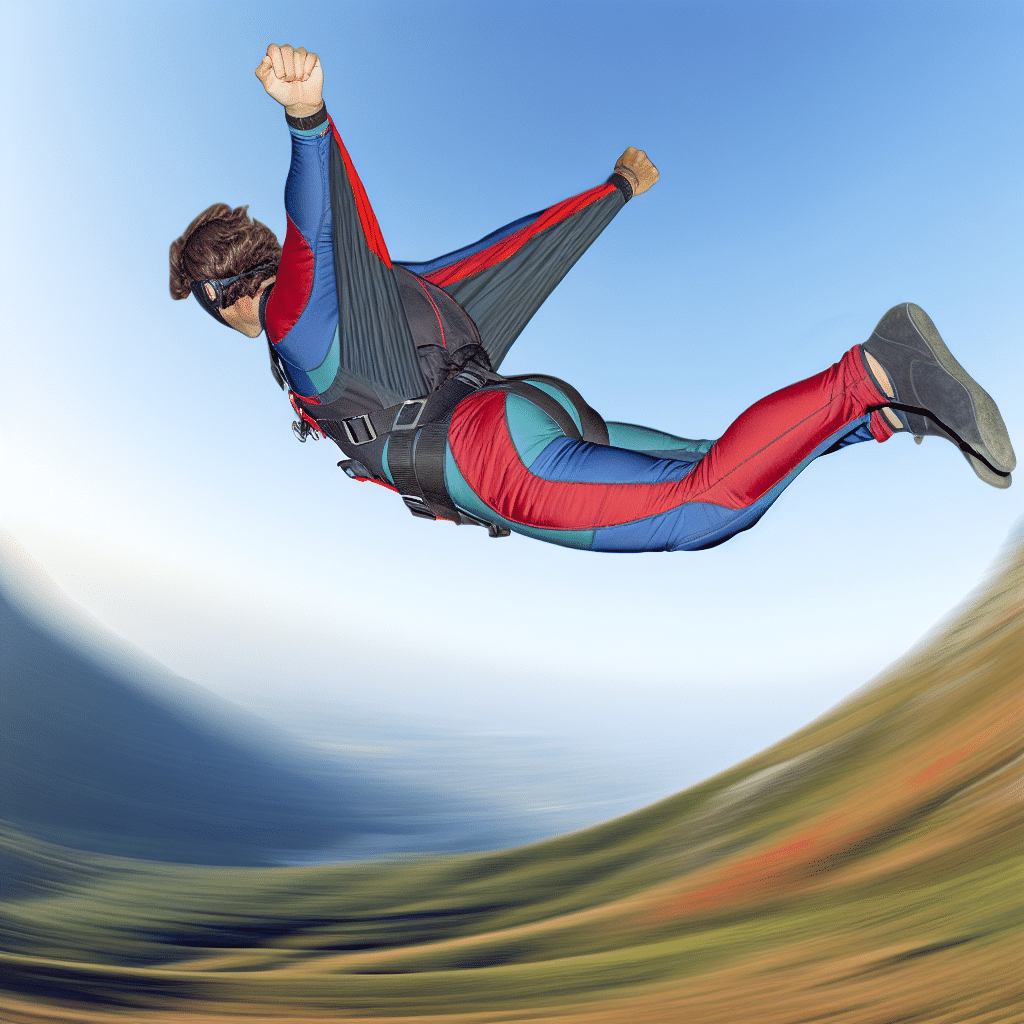
Imagine defying gravity, not in a machine, but with your own body. Picture yourself soaring through the open sky, gliding gracefully on the wind, a human bird against the vast expanse. For many, this sensation of true human flight seems like an impossible dream. Yet, one extreme sport makes this exhilarating fantasy a tangible reality: **wingsuit flying**.
This adrenaline-fueled activity promises an unmatched thrill, but it comes with significant risks. That’s why embarking on a journey to become a wingsuit pilot demands rigorous and comprehensive training. This isn’t just a hobby; it’s a commitment to safety, skill, and mastering one of the most incredible experiences on Earth. In this ultimate guide, we’ll dive deep into everything you need to know about wingsuit flying training, from foundational requirements to advanced techniques.
What Exactly *Is* Wingsuit Flying?
Before you can dream of soaring, it’s crucial to understand the mechanics and magic of this unique sport. Wingsuit flying involves wearing a specialized jumpsuit, often referred to as a “birdman suit,” that has fabric webs between the arms and legs. This design dramatically increases the body’s surface area.
Leaping from a high point – typically an aircraft at altitude or a fixed object like a cliff (BASE jumping) – the suit transforms a skydiver’s freefall into a controlled glide. Pilots can achieve impressive horizontal distances and speeds, navigating the air with subtle body movements, before deploying a parachute for a safe landing.
Why Wingsuit Flying Training Isn’t Optional – It’s Essential
The allure of wingsuit flying is undeniable, offering a perspective of the world few ever witness. However, this breathtaking adventure carries a significant level of inherent danger. This is precisely why proper, thorough training isn’t just recommended; it’s an absolute prerequisite for anyone hoping to take to the skies safely.
Understanding The Inherent Risks & How Training Mitigates Them
Wingsuit flying presents unique challenges that distinguish it from traditional skydiving. Pilots navigate through complex air currents, often in close proximity to terrain during BASE jumps, making precision and control paramount. The risks involved can include:
Collisions: With the landscape, other pilots, or obstacles, especially during proximity flying.
Equipment Malfunctions: Issues with the wingsuit itself, parachute deployment, or reserve systems.
Loss of Control: Difficulty steering, maintaining desired glide path, or recovering from unstable flight.
Misjudgment: Errors in assessing wind conditions, jump exit points, or landing zones.
Comprehensive wingsuit flying training directly addresses these dangers. It equips aspiring pilots with the knowledge, skills, and decision-making capabilities to understand, anticipate, and effectively mitigate risks, ensuring every flight is as safe as possible.
Your Flight Plan: The Step-by-Step Journey to Wingsuit Proficiency
Becoming a competent wingsuit pilot is a journey, not a sprint. It demands dedication, patience, and a methodical approach. Here’s a breakdown of the typical training progression:
Step 1: Mastering the Sky – Extensive Skydiving Experience
You can’t fly a wingsuit before you’ve mastered falling safely. The most crucial prerequisite for wingsuit flying training is extensive skydiving experience. This isn’t just about accumulating jumps; it’s about developing essential air awareness and canopy skills.
Jump Requirements: Most reputable wingsuit schools require a minimum of 200-500 freefall skydiving jumps. Some programs might accept 200 with specific coaching.
Proficiency: You must demonstrate excellent freefall stability, ability to track accurately, perform basic maneuvers (turns, rolls), and consistently deploy your main parachute at a safe altitude.
Canopy Skills: Strong canopy control, including precise landings and emergency procedures, is also vital as the wingsuit itself will significantly alter your exit and freefall profile.
Step 2: Ground School – Understanding Your Feathered Friend
Once you meet the skydiving prerequisites, your formal wingsuit training begins with comprehensive ground school. This theoretical component is critical for building a solid foundation of knowledge.
Suit Anatomy & Aerodynamics: You’ll learn about the different types of wingsuits, their design principles, and how they generate lift and drag. Understanding basic aerodynamics is key to effective flight.
Flight Techniques: Ground training covers body positioning, subtle movements for control, how to initiate turns, flares, and recovery techniques.
Emergency Procedures: This includes specific wingsuit emergency protocols, such as dealing with suit malfunctions, understanding break-off procedures, and managing parachute deployment while wearing the suit.
Packing & Maintenance: You’ll learn how to properly pack your main and reserve parachutes, and how to inspect and care for your wingsuit.
Step 3: Your First Flight – The Wingsuit First Jump Course (FJC)
With ground knowledge firmly in place, you’ll finally put on a beginner-friendly wingsuit for your First Jump Course (FJC). This is where theory meets practice, always under the direct supervision of an experienced instructor.
Coached Jumps: You’ll complete a series of coached jumps, starting with smaller, more forgiving wingsuits. The initial focus is on stable exit techniques, maintaining heading, and achieving a controlled glide.
Skill Development: Each jump builds on the last, introducing new skills like controlled turns, speed modulation, and flying relative to your instructor.
Safety First: Instructors will provide real-time feedback and video debriefs, meticulously analyzing your performance and guiding you through proper deployment sequences and emergency drills.
Step 4: Beyond the Basics – Progression and Advanced Techniques
Completing the FJC is just the beginning. The journey to becoming an advanced wingsuit pilot involves continuous practice, coaching, and a gradual progression to more complex skills and larger suits.
Solo Progression: After demonstrating proficiency with an instructor, you’ll begin making solo wingsuit jumps, refining your personal flight style and expanding your maneuver repertoire.
Formation Flying: Learning to fly safely with other wingsuit pilots is a major milestone, requiring precise control and communication.
Acrobatics & Performance: Advanced pilots explore acrobatic maneuvers, high-performance flying, and even competition flying.
BASE Jumping (Optional): For an elite few, wingsuit BASE jumping becomes the ultimate challenge, involving leaps from fixed objects (Buildings, Antennas, Spans, Earth) and ultra-precise proximity flying. This demands an entirely separate and even more stringent training regimen.
Finding Your Wings: Where to Begin Your Training
Wingsuit flying training is a highly specialized field. It’s crucial to seek out reputable schools and certified instructors who prioritize safety above all else.
Specialized Schools: Many wingsuit training programs are offered by dedicated wingsuit schools or integrated into larger skydiving centers that have experienced wingsuit coaches.
Instructor Certification: Look for instructors certified by recognized skydiving organizations (e.g., USPA, BPA) with specific ratings for wingsuit instruction.
Research & Reputation: Do your homework. Read reviews, ask for recommendations within the skydiving community, and ensure the program aligns with your safety standards and learning style.
Equipment: A good school will provide well-maintained rental wingsuits for your FJC, allowing you to learn on appropriate gear before investing in your own.
Is the Wingsuit Flying Journey Right for You? The Ultimate Reward
Wingsuit flying offers an unparalleled rush, a unique connection with the elements, and the profound satisfaction of achieving a dream as old as humanity itself. However, it’s undeniably a high-risk activity that demands discipline, commitment, and a relentless focus on safety.
The question of whether this rigorous training and daring sport is “worth it” can only be answered by you. If you possess a deep-seated thrill-seeking appetite, an unwavering dedication to learning, and a profound respect for the inherent dangers, then the challenging yet incredibly rewarding process of wingsuit flying training might just be your next great, life-altering adventure. To truly fly like a bird, you must first commit to learning how to spread your wings.