Alaska, the Last Frontier, beckons adventurers with its raw, untamed wilderness and breathtaking landscapes. A land where glaciers carve majestic fjords and frozen waterfalls stand silent in time, it’s a playground for those who seek the extraordinary. Among its myriad thrilling outdoor pursuits, ice climbing stands out as an unparalleled experience, merging physical prowess with the awe-inspiring beauty of nature.
Whether you’re a seasoned veteran with axes poised or a curious beginner dreaming of vertical ice, Alaska ice climbing offers an unforgettable journey into a world of crystalline beauty and profound challenge. This comprehensive guide will equip you with everything you need to know, from unique appeals and essential gear to top climbing locations and critical safety insights, preparing you for an epic Alaskan ice adventure.
Why Alaska Ice Climbing is an Unforgettable Adventure
Pristine Wilderness & Dramatic Landscapes
Alaska boasts some of the planet’s most spectacular and untouched ice formations. Imagine scaling colossal glaciers, where ancient ice glows with ethereal blues, or ascending the delicate sculptures of frozen waterfalls that cascade from towering peaks. The sheer scale and pristine nature of the Alaskan wilderness provide a dramatic backdrop that elevates every climb into an epic, cinematic experience.
The Ultimate Challenge
The inherent challenges of ice climbing in Alaska—extreme weather, dynamic ice conditions, and remote locations—contribute significantly to its allure. It’s a sport that tests not only physical strength and technical skill but also mental fortitude and resilience. Successfully conquering an Alaskan ice route delivers an immense sense of accomplishment, a truly rewarding feeling few other activities can match.
Seasonal Splendor
While ice climbing is inherently seasonal, Alaska’s extended winter offers a prime window for adventure, typically from late fall through early spring. During these months, the state transforms into a frozen paradise, presenting unique opportunities to experience its vastness under a blanket of snow and ice, often accompanied by the mesmerizing Northern Lights.
Essential Gear for Your Alaska Ice Climbing Expedition
Before you even dream of swinging an ice axe, proper equipment is non-negotiable for a safe and successful ice climbing trip in Alaska. The right gear not only enhances your performance but, more importantly, ensures your safety in these extreme conditions. Here’s a comprehensive checklist:
Core Climbing Tools
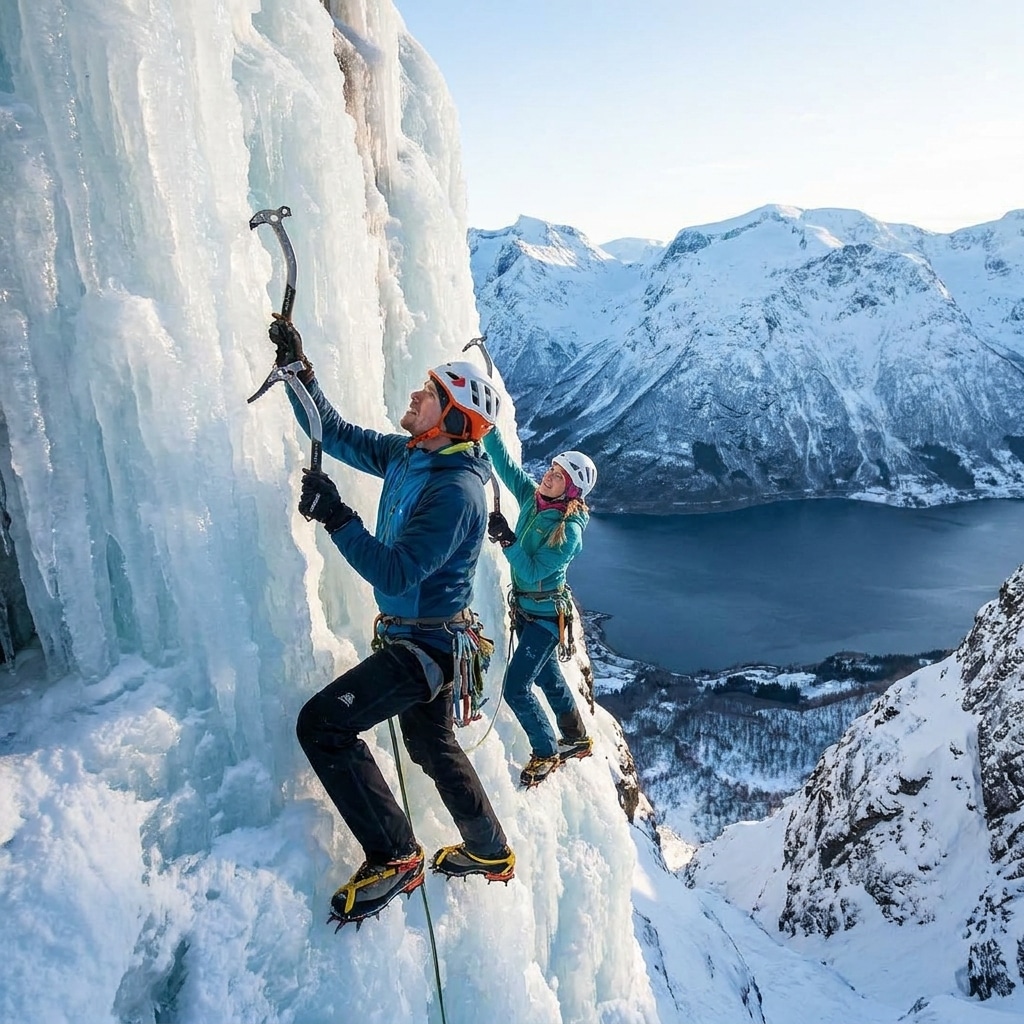
Ice Axes: You’ll need two technical ice tools—one for each hand—specifically designed for vertical ice climbing, featuring aggressive picks and ergonomic handles.
Crampons: Aggressive, rigid mountaineering crampons with vertical front points are essential for biting into hard ice. Ensure they are compatible with your insulated climbing boots.
Mountaineering Boots: Double-insulated, waterproof, and rigid-soled boots are critical for warmth, support, and crampon compatibility in sub-zero temperatures.
Safety & Support Systems
Harness: A comfortable, adjustable climbing harness is paramount. Consider one designed for winter use, accommodating bulky clothing.
Ropes: Dynamic ropes, specifically dry-treated for ice and wet conditions, are necessary for lead climbing and rappelling. Ensure appropriate length for your chosen routes.
Belay Device & Carabiners: Essential for managing ropes and providing safety. Bring multiple locking carabiners.
Ice Screws: These are your primary protection on the ice, used to create anchors. You’ll need a range of lengths.
Slings & Quickdraws: For extending protection and building anchors.
Crucial Protective Layers
Helmet: A climbing-specific helmet is crucial to protect against falling ice and impacts.
Layered Clothing: A multi-layered system is key for temperature regulation. Think moisture-wicking base layers, insulating mid-layers (fleece/down), and a waterproof, breathable outer shell.
Gloves: Bring multiple pairs—thin ones for dexterity, and thick, insulated, waterproof pairs for warmth.
Hat/Balaclava: Essential for retaining body heat in frigid conditions.
Navigation & Essentials
Headlamp: With extra batteries, as Alaskan winter days are short.
First-Aid Kit: Comprehensive and tailored for remote wilderness emergencies.
Navigation Tools: Map, compass, and GPS device, along with the knowledge to use them.
Communication Device: Satellite phone or inReach device for remote areas.
Food & Water: High-energy snacks and insulated water bottles to prevent freezing.
Top Ice Climbing Destinations in Alaska
Alaska’s vast and rugged terrain is dotted with incredible ice climbing venues, each offering a distinct experience. From easily accessible roadside ice to remote backcountry expeditions, there’s a frozen playground for every skill level.
Valdez: The Mecca of Alaskan Ice
Valdez is arguably the most famous ice climbing destination in Alaska, often called the “Waterfall Ice Capital of the World.” Known for its spectacular ice formations—frozen waterfalls cascading from dramatic cliffs—and relatively easy access to numerous routes, it draws climbers from across the globe. The annual Valdez Ice Climbing Festival further solidifies its reputation as a vibrant hub for the sport, offering clinics, competitions, and camaraderie.
Matanuska Glacier: Accessible Glacier Climbing
Located just a two-hour drive north of Anchorage, the Matanuska Glacier offers an unparalleled opportunity for glacier ice climbing suitable for all skill levels. Here, you can experience the stunning blue ice of an active glacier, with guided tours making it an excellent choice for beginners to learn foundational techniques in a breathtaking setting. Its accessibility makes it a popular choice for a day trip or an extended stay.
Chugach Mountains: Backcountry Challenge
For experienced climbers seeking a multi-pitch challenge and true wilderness immersion, the Chugach Mountains present an array of formidable routes. This vast range, stretching through southcentral Alaska, holds countless hidden gems, from remote icefalls to alpine mixed climbs. Reaching these destinations often requires significant expedition planning, including snowmobiles, skis, or even air taxi services, promising a deeply rewarding backcountry experience.
Other Notable Areas
Beyond these primary locations, Alaska offers many other sporadic ice climbing opportunities. Areas like Talkeetna, near Denali National Park, can offer challenging mixed climbs. Southeastern Alaska, around Juneau, also presents possibilities, sometimes accessible via helicopter, providing a truly unique perspective on the state’s frozen wonders.
Safety First: Mitigating Risks in Alaska’s Icy Embrace
Ice climbing, especially in a dynamic environment like Alaska, carries inherent risks. However, with diligent preparation, proper training, and a healthy respect for the mountains, these risks can be significantly mitigated. Prioritizing safety is not just advisable; it’s absolutely crucial.
Training and Professional Guidance
Never attempt ice climbing without proper instruction. Enroll in accredited ice climbing courses to learn fundamental techniques, anchor building, rope management, and self-rescue skills. For beginners, hiring a certified local guide is highly recommended. They possess invaluable knowledge of local conditions, route specifics, and safety protocols, ensuring a safer and more enjoyable experience.
Understanding Conditions and Hazards
Weather: Alaska’s weather can change dramatically and rapidly. Always check the forecast and be prepared for sudden shifts in temperature, wind, and precipitation.
Ice Quality: Learn to assess ice quality. Different temperatures and formations yield varying ice conditions (e.g., brittle, plastic, hollow). Understand how to place ice screws effectively in different types of ice.
Avalanche Awareness: Many ice climbs are located in avalanche terrain. Thoroughly understand avalanche conditions, carry appropriate gear (beacon, shovel, probe), and know how to use them. Always check avalanche forecasts.
Falling Ice/Rock: Wear your helmet at all times, even when not actively climbing, as falling ice or rock is a constant hazard.
The Buddy System & Communication
Never climb alone. Always climb with an experienced partner or group. Maintain clear communication throughout the climb, especially when out of sight or in windy conditions. For remote locations, carry a satellite communication device to alert rescuers in an emergency.
Respecting Your Limits
Be honest about your skill level and physical condition. Don’t attempt routes beyond your capability. Turn back if conditions deteriorate or if you feel uncomfortable. The mountains will always be there for another day.
Plan Your Trip: Best Time and Logistics
Careful planning is crucial for any successful Alaskan adventure, especially one as demanding as ice climbing.
When to Go
The prime season for ice climbing in Alaska generally runs from November through March, with December to February often offering the most stable and coldest conditions, ideal for forming thick, durable ice. Always check local conditions as specific timelines can vary yearly.
Guided Tours vs. Self-Guided Expeditions
Guided Tours: Ideal for beginners or those seeking to maximize their time. Local guide services provide all necessary technical gear, instruction, and expert knowledge of the terrain and safety.
Self-Guided Expeditions: Reserved for highly experienced climbers with extensive wilderness and ice climbing experience, including advanced self-rescue skills and comprehensive backcountry preparedness.
Accommodation & Travel
Major hubs like Anchorage and Fairbanks offer full services, while smaller towns near climbing areas (e.g., Valdez) provide more limited options. Book accommodations and rental cars well in advance, especially during peak season. Be prepared for winter driving conditions; 4×4 vehicles are often recommended.
Embrace the Chill: Your Alaska Ice Climbing Adventure Awaits
Alaska ice climbing is more than just a sport; it’s an immersive experience that plunges you into the heart of a truly wild and breathtaking landscape. It demands respect, preparation, and courage, but in return, it offers unparalleled views, exhilarating challenges, and memories that will last a lifetime. From the accessible flows of Valdez to the deep glacier crevasses of Matanuska, Alaska presents a frozen canvas ready for your ice tools.
So, whether you’re dreaming of your first swing or planning your next big expedition, remember to gear up wisely, climb safely, and cherish every moment spent scaling the magnificent ice formations of the Last Frontier. The call of the ice is strong, and Alaska is waiting to answer.