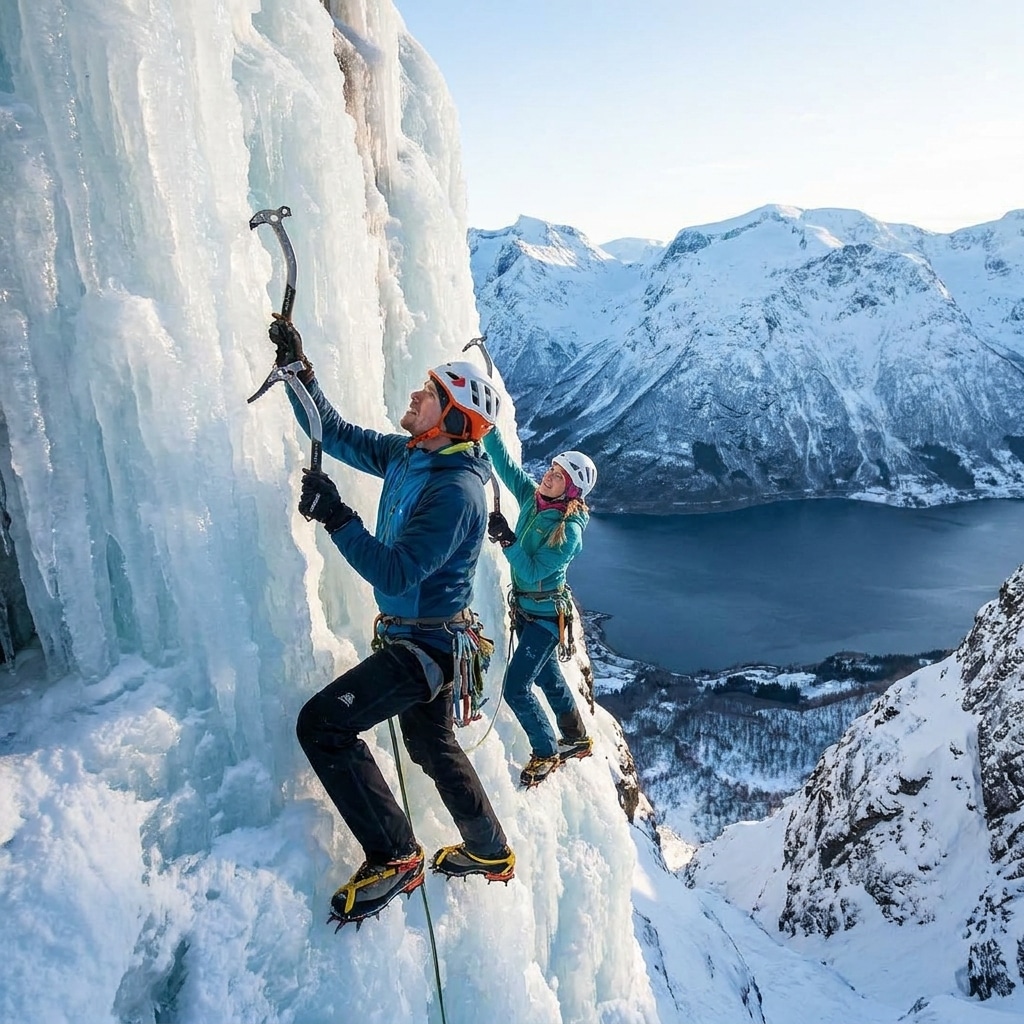
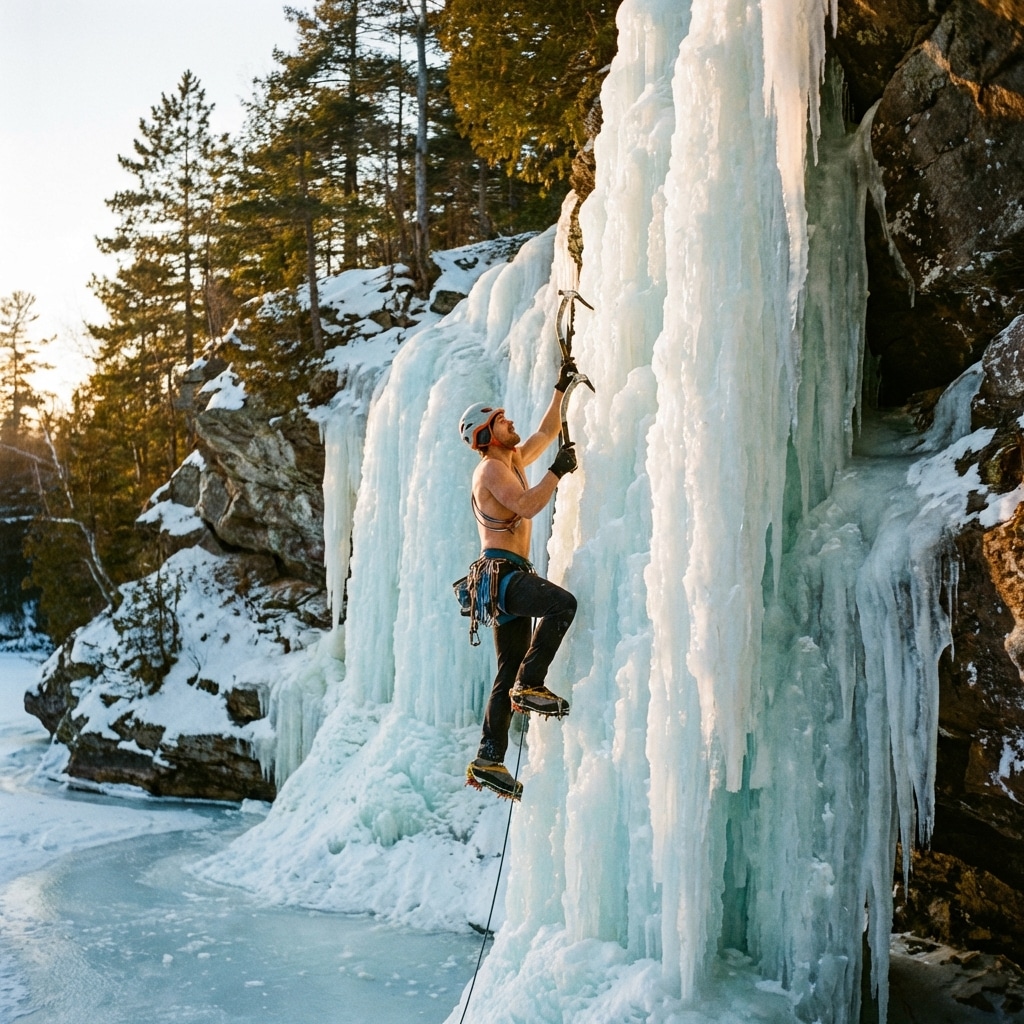
Ice climbing isn’t just a sport; it’s an adrenaline-fueled dance with frozen waterfalls and towering alpine ice. It demands peak physical and mental prowess, but above all, it demands unwavering trust in your gear. Your rope is your ultimate lifeline, the critical link between you and the abyss. Choosing the right one isn’t just about performance—it’s about survival.
In this comprehensive guide, we’ll cut through the ice and dive deep into everything you need to know about selecting the best rope for ice climbing. From the nuances of dynamic stretch to essential certifications and advanced care, we’ll equip you with the knowledge to make an informed decision for your next frozen adventure.
Your Lifeline on Ice: Understanding Ice Climbing Ropes
The unique demands of ice climbing necessitate specific rope characteristics. Unlike rock climbing, ice presents sharp edges and variable conditions that can stress your rope in distinct ways. Knowing what makes a great ice climbing rope is your first step toward confident ascents.
Dynamic vs. Static: The Safety Stretch
First and foremost, you need a dynamic rope for ice climbing. These ropes are engineered to stretch under load, effectively absorbing the force of a fall. This crucial elasticity prevents potentially catastrophic shock loading on anchors, the climber, and the rope itself—a non-negotiable feature in the brittle world of ice.
Static ropes, conversely, offer minimal stretch. They are typically reserved for tasks like hauling, rigging, or rappelling where a fixed length and minimal elongation are desired. Never use a static rope for leading or top-roping ice.
Single, Half, or Twin? Choosing Your System
While the original input focused on single ropes, ice climbing often benefits from different rope systems. Each offers unique advantages depending on the route and objectives.
Single Ropes: Often preferred for easier, direct ice climbs, a single dynamic rope (typically 8.5mm to 9.5mm diameter) offers simplicity and efficiency. They are robust and ideal when rope drag is minimal and rappels are straightforward.
Half Ropes (Double Ropes): This system uses two thinner dynamic ropes (usually 8-9mm), clipped independently into protection. Half ropes reduce rope drag, allow for full-length rappels, and provide redundancy. They are excellent for wandering or complex ice and mixed routes.
Twin Ropes: Similar to half ropes, twin ropes also involve two thin dynamic ropes, but they are always clipped together into each piece of protection. This offers maximum redundancy and strength for big falls, making them suitable for extreme alpine and ice routes.
For general ice climbing, a single dynamic rope or a half rope system are the most common choices. Consider the type of climbing you’ll be doing to determine the best rope for your needs.
Material and Treatment: Built for the Cold
Modern ice climbing ropes are predominantly made from high-quality nylon, celebrated for its superior strength, flexibility, and abrasion resistance. However, nylon’s vulnerability to water absorption in freezing conditions is a significant concern.
This is where “dry-treated ropes” become essential. These specialized ropes feature a durable water-repellent (DWR) coating on both the sheath and core fibers. A dry-treated rope prevents water absorption, which is critical in ice climbing because wet ropes become heavy, stiff, and prone to freezing, reducing flexibility and increasing the risk of damage. Always invest in a dry-treated ice climbing rope.
Certifications and Safety Standards: Trusting Your Gear
When your life hangs by a thread, trust is non-negotiable. Reputable ice climbing ropes undergo rigorous testing to meet stringent safety standards. Always look for key certifications as proof of their reliability.
UIAA and CE: The Gold Standard
Ensure your chosen rope for ice climbing is certified by the Union Internationale des Associations d’Alpinisme (UIAA) or the European Committee for Standardization (CE). These certifications guarantee that the rope has passed comprehensive tests for strength, dynamic performance, and durability under various conditions, giving you peace of mind on the ice.
Understanding Fall Ratings
Every dynamic rope comes with a UIAA fall rating, indicating the number of severe test falls it can safely arrest before it’s deemed unsafe. For the demanding nature of ice climbing, a higher fall rating offers an increased margin of safety.
A single dynamic ice climbing rope should typically handle at least 5 to 7 UIAA falls. For half and twin ropes, the ratings are slightly different, reflecting their use in pairs. Always check this crucial specification when comparing ropes.
Key Selection Factors: Diameter, Length, and Weight
Beyond the fundamental safety aspects, practical considerations like rope diameter, length, and overall weight significantly impact your climbing experience and effectiveness on an ice route.
Diameter: Balancing Durability and Handling
The diameter of your ice climbing rope directly affects its weight, durability, and how it handles through belay devices.
Thinner Ropes (e.g., 8.5mm – 9.0mm single; 7.5mm – 8.5mm half/twin): Lighter and more compact, reducing pack weight. They offer excellent handling, but can wear out faster, especially with sharp ice tools or crampons.
Thicker Ropes (e.g., 9.0mm – 9.5mm single): More durable and provide a greater margin of safety against abrasion. They are heavier and can be a bit stiffer to handle but offer longevity.
Length: Pitch Perfect for Your Route
Standard rope lengths for ice climbing typically range from 50 to 70 meters. Your choice depends heavily on the routes you plan to climb.
60 Meters: A versatile length, sufficient for most single-pitch ice climbs and many multi-pitch routes, allowing for decent-length rappels.
70 Meters: Ideal for longer pitches, routes requiring longer rappels, or situations where you want extra rope for anchor building. Always check the topo for required rope lengths.
Weight: Every Ounce Counts
When you’re slogging through snow and ice, every gram matters. Advances in manufacturing have led to incredibly lightweight yet strong ice climbing ropes. While durability is paramount, opting for a lighter rope can significantly reduce fatigue on long approaches and multi-pitch climbs.
Handling and User Experience: Beyond the Numbers
While specifications are important, how a rope feels and performs in your hands can make a huge difference in your climbing enjoyment and safety. A rope that’s a joy to use minimizes frustration and increases efficiency.
Suppleness and Knotability
A good ice climbing rope should have a supple, flexible feel. This allows for easier coiling, prevents kinking, and makes feeding the rope through belay devices smoother. Importantly, a supple rope is easier to tie and untie knots with, even with cold hands or gloves, which is a critical safety consideration.
Middle Markers and Bi-Pattern Ropes
These seemingly small features offer significant convenience and safety benefits. A clearly marked middle point or a bi-pattern design (where each half of the rope has a distinct pattern) makes identifying the rope’s center effortless. This simplifies rappelling setups, ensures you don’t short-rope your partner, and speeds up rope management in cold, challenging conditions.
Rope Care and Maintenance: Extending Your Lifeline’s Life
Your ice climbing rope is an investment in your safety. Proper care and maintenance are crucial for extending its lifespan and ensuring it performs flawlessly when you need it most.
Regular Inspections: Before and after every climb, meticulously inspect the entire length of your rope for cuts, abrasions, flat spots, or any signs of damage. If you find significant damage, retire the rope immediately.
Cleaning: Wash your dry-treated rope periodically with a mild, non-detergent rope cleaner (or just water) to remove dirt, grit, and ice melt. Air dry it completely in a cool, shaded area away from direct sunlight.
Proper Storage: Store your ice climbing rope coiled or flaked, in a cool, dry place away from direct UV light, chemicals (especially acids, which can degrade nylon), and pests.
Retirement: Ropes don’t last forever. Even with proper care, factors like heavy use, frequent falls, and age necessitate retirement. Consult the manufacturer’s guidelines for recommended lifespans.
Conclusion: The Uncompromisable Choice
Choosing the right ice climbing rope is one of the most critical decisions you’ll make as an ice climber. It’s not just a piece of gear; it’s your direct link to safety, performance, and exhilaration on the vertical ice.
By understanding the differences between rope systems, prioritizing dry treatments, recognizing the importance of UIAA/CE certifications and fall ratings, and considering practical aspects like diameter and handling, you can select an ice climbing rope that will be a trusted partner on every ascent. Don’t compromise—your life truly depends on it.