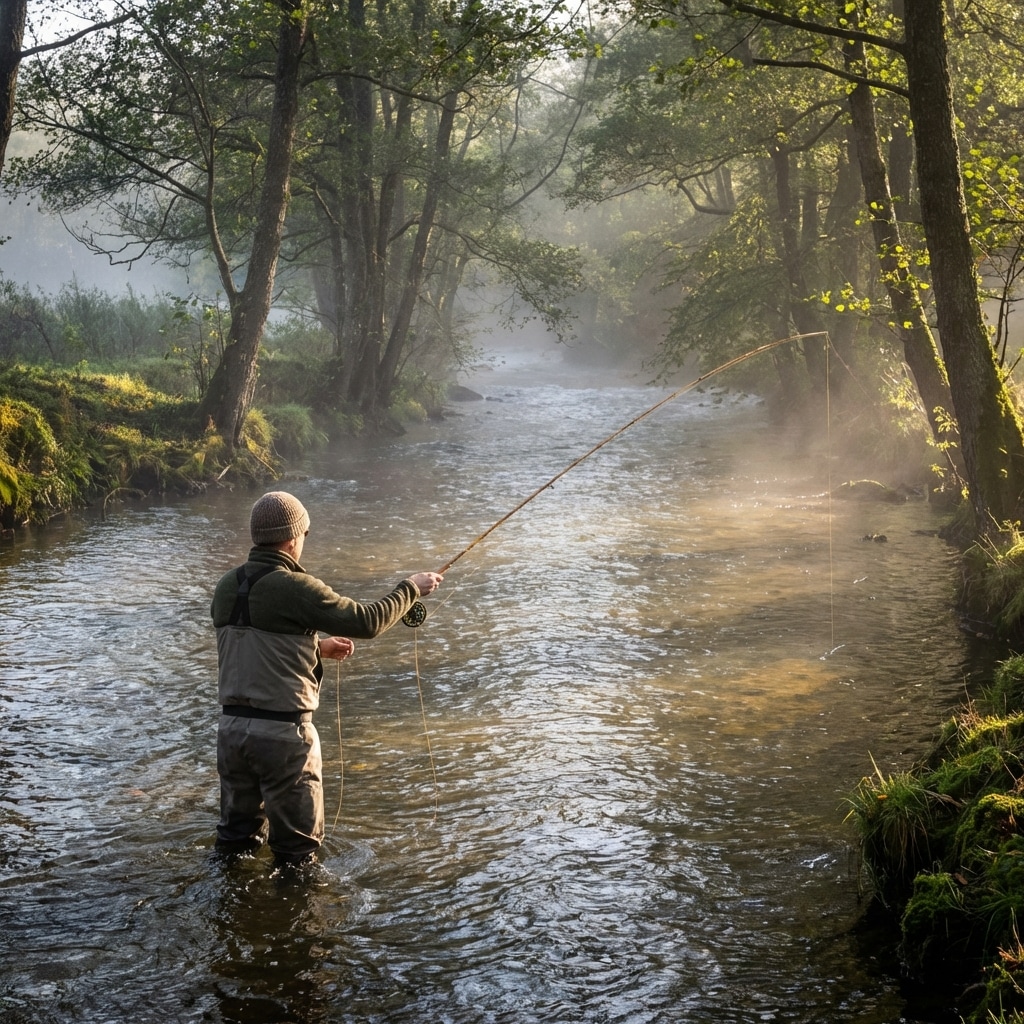
For centuries, the serene dance of fishing has captured human hearts, blending tranquil moments with the thrill of the catch. At the core of every unforgettable angling adventure lies one indispensable tool: the fishing rod. It’s not just equipment; it’s your direct link to the underwater world, amplifying every subtle tug and powerful strike.
But with countless options available, how do you choose the perfect angling fishing rod that transforms a good day into an exceptional one? This comprehensive guide will unravel the mysteries of fishing rods, helping you understand their components, navigate different types, and master maintenance secrets. Prepare to elevate your fishing experience to unparalleled heights.
The Unseen Power: Why Your Angling Rod is Your Fishing MVP
An angling fishing rod is far more than a simple stick. It’s a finely tuned instrument, acting as a crucial extension of your senses and skill. The ideal rod empowers you with precision casting, exceptional sensitivity to the faintest of bites, and the robust strength needed to battle and reel in your prized catch.
Understanding its design is the first step towards truly mastering your angling technique. Each element of a fishing rod works in harmony to give you an edge, whether you’re chasing trophy bass or delicate trout.
Decoding Your Rod: Essential Components of an Angling Fishing Rod
To harness your rod’s full potential, it’s vital to know its fundamental parts and how they contribute to your success on the water.
Blank: The backbone of your angling fishing rod, typically crafted from graphite, fiberglass, or a composite blend. Its material dictates the rod’s “action” (flex point) and “power” (lifting strength), crucial for casting and fighting fish.
Handle/Grip: Positioned at the rod’s base, this is where comfort meets control. Materials like cork or EVA foam provide ergonomic grip, reducing fatigue during long hours of intense angling.
Reel Seat: This robust fixture securely locks your fishing reel to the rod, ensuring a stable connection. A well-designed reel seat maintains balance and prevents unwanted movement during spirited retrieves.
Guides/Eyes: A series of rings precisely spaced along the rod’s length. They smoothly guide your fishing line, distributing stress evenly across the blank and maximizing casting distance and accuracy.
Tip: The rod’s most sensitive point, the tip is your early warning system for bites. Its responsiveness is also key for delicate lure presentation and precise casting.
Choosing Your Weapon: Types of Angling Fishing Rods
Selecting the right angling fishing rod is paramount to your success and enjoyment. Your choice depends heavily on your target species, the fishing environment, and your preferred angling technique. Here’s a breakdown of popular types to guide your decision.
Spinning Rods
Spinning rods are celebrated for their versatility and ease of use, making them perfect for both novices and seasoned anglers. Designed to pair with spinning reels, they excel in various freshwater and saltwater scenarios, catching everything from panfish to medium-sized game fish.
Casting Rods
Engineered for superior accuracy and power, casting rods feature a distinctive trigger grip that enhances casting control. When matched with baitcasting reels, these rods are the go-to for targeting species like bass and pike that demand precise lure placement and robust hooksets.
Fly Rods
Fly rods are highly specialized, crafted specifically for the elegant art of fly fishing. Their lightweight construction and unique design are optimized for casting artificial flies using the weight of the fly line itself, offering unparalleled delicacy in presentation for wary fish.
Telescopic Rods
For anglers who prioritize portability, telescopic rods are an excellent choice. Their innovative collapsible design allows for incredibly easy transport and storage, providing convenience without compromising significant performance. They are ideal for travel or spontaneous fishing trips.
Protect Your Investment: Essential Maintenance Tips for Your Angling Fishing Rod
Proper care is crucial to ensuring your angling fishing rod performs at its peak and lasts for many seasons. Regular maintenance not only extends its lifespan but also prevents costly damage and maintains optimal fishing performance.
Clean After Every Use: Rinse your rod thoroughly with fresh water after each outing, especially after saltwater exposure. This prevents corrosion and build-up, then dry it completely before storage.
Inspect for Damage Regularly: Make it a habit to check your rod for any signs of wear and tear. Look for cracks in the blank, loose guide inserts, or a compromised reel seat. Promptly addressing these issues can prevent minor problems from becoming major repairs.
Store Correctly: Always store your rod in a cool, dry place, away from direct sunlight which can degrade materials. Using a dedicated rod rack or a protective case prevents warping, scratches, and accidental breakage.
Lubricate Reel Seat (Slightly): A minimal application of specialized reel oil or silicone grease on the reel seat threads can prevent seizing and corrosion, ensuring your reel attaches and detaches smoothly for years to come.
Frequently Asked Questions About Angling Fishing Rods
Navigating the world of fishing rods can lead to several common questions. Here are answers to help you make informed decisions about your angling gear.
What is the Best Material for a Fishing Rod?
The “best” material depends on your specific angling style. Graphite rods offer superior sensitivity and are incredibly lightweight, ideal for detecting subtle bites. Fiberglass rods provide impressive durability and flexibility, perfect for handling larger, stronger fish. Composite rods strike a balance, blending the benefits of both for versatile performance.
How Do I Choose the Right Rod Length?
Rod length is critical and should align with your fishing environment and target species. Longer rods (over 7 feet) excel at casting greater distances and offer better leverage for fighting large fish in open water. Shorter rods (under 7 feet) provide enhanced control and accuracy, making them ideal for fishing in tight spaces or close-quarters combat with fish.
Can I Use a Spinning Rod for Fly Fishing?
No, spinning rods are fundamentally different from fly rods. They are not designed for the unique casting mechanics required in fly fishing, which relies on the weight of the line itself. For effective and enjoyable fly fishing, a specialized fly rod is absolutely essential.
Conclusion: Master Your Craft, Elevate Your Angling Experience
The journey to becoming a master angler starts with a profound understanding of your most vital tool: the fishing rod. Whether you’re just starting out or are a seasoned pro, choosing the appropriate angling fishing rod, tailored to your specific needs and fishing style, will profoundly impact your success and enjoyment on the water.
From deciphering rod components and selecting the perfect type to implementing crucial maintenance routines, this guide equips you with the knowledge to make confident choices. Embrace these insights, and prepare for countless successful, rewarding, and exhilarating fishing adventures.
Happy fishing!