Dreaming of breathtaking vistas, crisp mountain air, and the ultimate escape into nature? Backpacking offers an unparalleled sense of freedom and accomplishment. But whether you’re a seasoned trail veteran or lacing up your boots for the very first time, your experience hinges on one critical factor: your gear.
Forget the frustrations of ill-fitting packs, cold nights, or unreliable equipment. This comprehensive guide will equip you with the knowledge to choose the best backpacking gear, transforming your next outdoor adventure into an unforgettable, safe, and comfortable journey.
Why Your Gear is Non-Negotiable: Safety, Comfort, and Longevity
Investing in quality backpacking gear isn’t just about convenience; it’s about preparedness. Out on the trail, miles from civilization, your equipment acts as your lifeline against unexpected weather, challenging terrain, and potential hazards.
Beyond safety, the right gear significantly impacts your comfort, energy levels, and overall enjoyment. Durable, reliable equipment means less worry about breakdowns and more focus on the beauty around you. It’s a long-term investment that pays dividends in memorable experiences.
The Ultimate Backpacking Gear List: Every Essential Covered
Building your essential backpacking gear list can feel overwhelming. We’ve broken down the must-have items into core categories, ensuring you’re prepared for any outdoor adventure.
The Foundation: Your Backpack
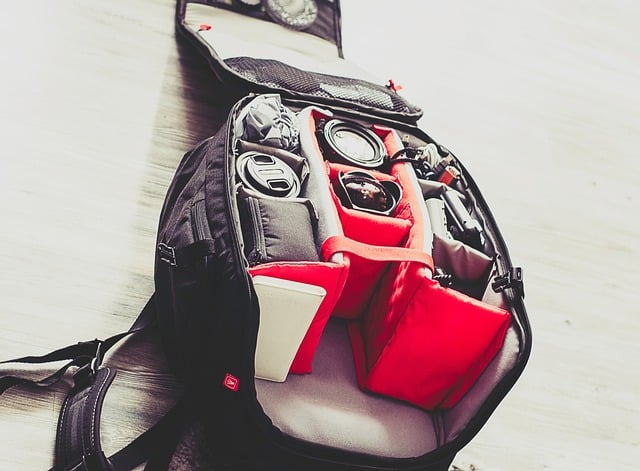
The backpack is the heart of your system, carrying all your vital supplies. Look for a durable pack with adjustable straps for a comfortable, customized fit. Capacity (liters), frame type, and material are key considerations.
- Capacity: Match the size to your trip length (e.g., 40-50L for weekend trips, 60-75L for longer expeditions).
- Fit: A properly fitted backpack distributes weight effectively, preventing discomfort and injury. Consider torso length and hip belt size.
- Durability: Opt for rugged, waterproof or water-resistant materials to protect your contents.
Shelter & Sleep: Your Home Away From Home
A good night’s rest is paramount for energy and morale. Your shelter and sleeping system need to protect you from the elements and provide adequate warmth.
- Tent: Choose a lightweight, easy-to-pitch tent suitable for the season and number of occupants. Consider freestanding vs. non-freestanding designs and vestibule space.
- Sleeping Bag: Select a bag with a temperature rating appropriate for the coldest conditions you expect. Down fill offers excellent warmth-to-weight, while synthetic is better in wet conditions.
- Sleeping Pad: Crucial for insulation from the cold ground and comfort. Look at R-value for warmth and consider inflatable or foam options based on preference and packability.
Fueling Your Adventure: Cooking & Hydration
Staying nourished and hydrated is non-negotiable for maintaining energy on the trail. Efficient cooking and reliable water sources are paramount for wilderness safety.
- Stove & Fuel: Lightweight, compact, and reliable are key. Canister stoves are popular for simplicity, while liquid fuel stoves perform better in cold or high-altitude conditions.
- Cookware: A lightweight pot, spork, and mug are often all you need. Consider nesting systems for ultimate compactness.
- Water Purification: Never assume natural water sources are safe to drink. A high-quality water filter, purifier, or purification tablets are absolute must-haves for preventing illness.
Safety & Navigation: Your Wilderness Lifelines
Emergencies can happen quickly. Being prepared with the right safety and navigation tools ensures you can handle unexpected situations effectively.
- First Aid Kit: Don’t just pack one – know how to use it. Customize it with any personal medications and enough supplies for minor injuries and emergencies.
- Navigation Tools: A physical map and compass are essential backups to any GPS device or smartphone app. Learn how to use them before you go.
- Headlamp: Indispensable for nighttime activities, camp setup, or emergency situations. Always pack spare batteries.
- Multi-tool/Knife: Versatile and handy for countless tasks, from repairs to meal prep.
The Right Layers: Clothing for Comfort and Protection
Your clothing system is critical for adapting to changing weather and maintaining body temperature. Think in layers to manage warmth and moisture effectively.
- Base Layer: Wicks moisture away from your skin (merino wool or synthetics).
- Mid-Layer: Provides insulation (fleece or puff jacket).
- Outer Shell: Protects against wind and rain (waterproof/breathable jacket and pants).
- Socks: High-quality wool or synthetic socks prevent blisters and manage moisture.
Beyond the Basics: Small Details, Big Impact
Don’t overlook these smaller items that significantly enhance your backpacking experience.
- Sun Protection: Sunscreen, hat, sunglasses.
- Insect Repellent: Essential in many environments.
- Trowel & Toilet Paper: For Leave No Trace waste disposal.
- Repair Kit: Duct tape, needle, thread for minor gear fixes.
- Power Bank: To keep your phone or GPS charged.
Choosing Wisely: How to Select the Best Backpacking Gear
With so many options, how do you pick the best backpacking gear for your needs? Consider these factors beyond just the price tag.
- Trip Type & Conditions: Are you tackling summer trails or cold-weather expeditions? The terrain, duration, and expected weather heavily influence your choices.
- Weight: Ultralight backpacking emphasizes minimizing weight for faster, more comfortable travel. While not for everyone, aiming for lighter gear can significantly reduce fatigue.
- Durability & Reliability: Your gear needs to withstand the rigors of the trail. Read reviews and choose reputable brands known for quality.
- Personal Fit & Comfort: This is especially true for your backpack, but also applies to footwear and sleeping systems. Try gear on, load it up, and test it if possible.
- Budget: While quality gear is an investment, you don’t need the most expensive items. Prioritize key pieces (backpack, tent, sleeping bag) and save on others.
Sustainable Backpacking: Protecting Our Wild Spaces
As we enjoy the beauty of the outdoors, it’s our responsibility to preserve it. Choose gear from companies committed to sustainable practices and ethical manufacturing.
Embrace Leave No Trace principles: plan ahead, stay on designated trails, dispose of waste properly, and respect wildlife. Your choices impact the natural world we all cherish.
To Rent or To Buy? Making the Smart Gear Investment
For beginners, renting hiking gear can be a fantastic way to try different items without a significant upfront investment. It allows you to discover what works best for your style before committing to a purchase.
However, for frequent adventurers, buying your own camping equipment often proves more cost-effective in the long run. Owning your gear ensures it’s always available, familiar, and perfectly customized to your needs.
Pro Tip: Test Your Gear Before You Go!
Never embark on a trip with untested gear. Set up your tent in your backyard, pack your backpack and go for a long walk, and ensure your stove works perfectly. Familiarity with your equipment builds confidence and can prevent frustrating surprises on the trail.
Conclusion: Gear Up for Unforgettable Adventures
Equipping yourself with the best backpacking gear might seem like a significant undertaking, but it’s an investment in countless unforgettable experiences. Prioritizing safety, comfort, and reliability will transform your trips, allowing you to fully immerse yourself in the wonders of the wilderness.
With this ultimate guide, you’re now ready to confidently select your backpacker essentials and embark on your next grand adventure. Happy trails!