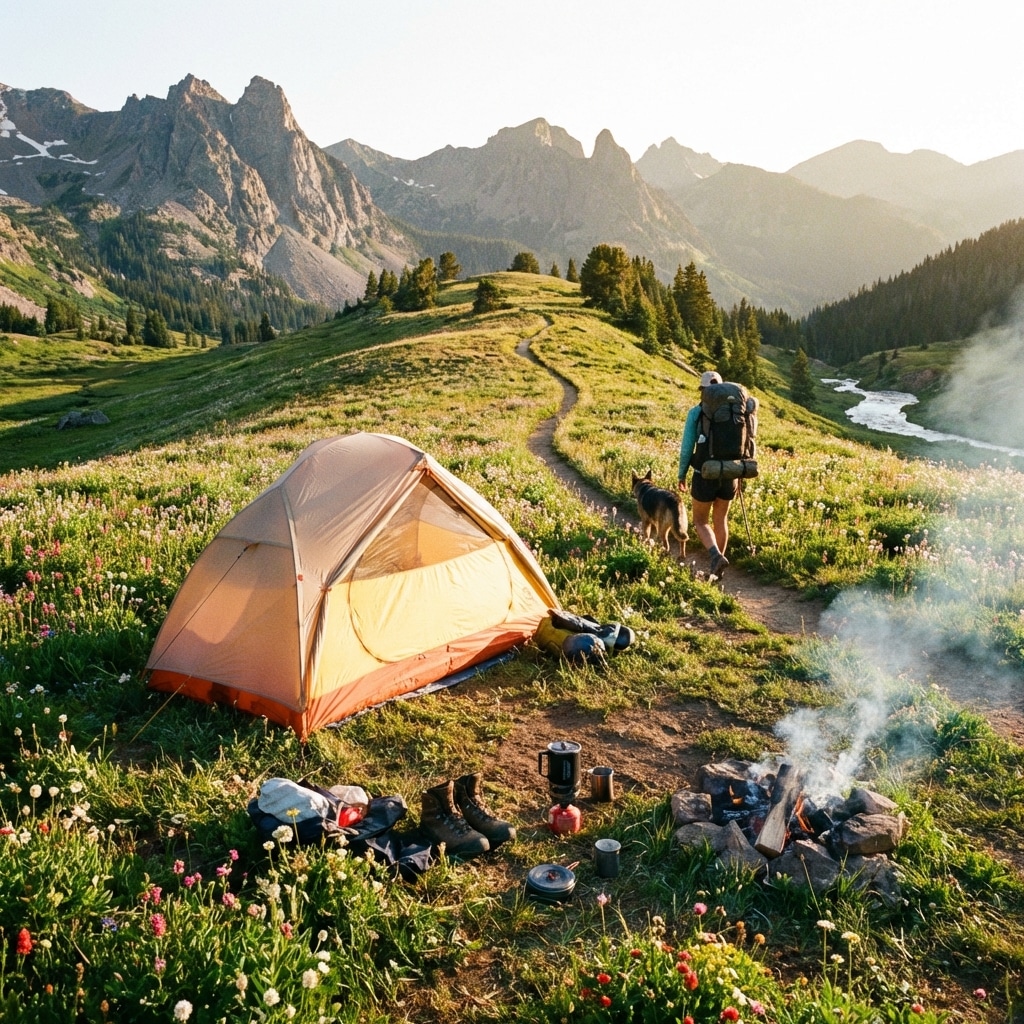
Imagine this: after a grueling day of trekking through breathtaking wilderness, you set up camp, the sun dipping below the horizon. The air grows crisp, and hunger pangs set in. What could be more comforting than a piping hot meal and a warm drink? This isn’t just a luxury; it’s a game-changer for your energy, morale, and overall well-being in the backcountry.
For avid hikers, campers, and backpackers, packing light and smart is paramount. Yet, there’s one piece of gear that earns its non-negotiable spot on every packing list: a reliable backpacking stove. It’s more than just a cooking tool; it’s your portable kitchen, your lifeline, and your source of comfort in the wild.
Master Your Wilderness Kitchen: The Ultimate Guide to Backpacking Stoves
Why a Backpacking Stove is Non-Negotiable for Your Outdoor Adventure
A backpacking stove transforms your outdoor experience from basic survival to enjoyable adventure. It offers an incredibly convenient and efficient way to prepare hot meals and drinks, even in remote locations. After an exhausting day on the trail, a warm, home-cooked meal instantly boosts your energy and lifts your spirits, warding off the chill and fatigue.
Beyond comfort, a stove is a critical safety tool. It allows you to boil water, making it safe to drink and essential for hydration in areas where potable water is scarce. In emergency situations, the ability to quickly prepare food or purify water can make all the difference, providing a sense of security far from civilization.
How to Choose the Perfect Backpacking Stove
Selecting the right backpacking stove requires careful consideration of several factors tailored to your specific needs and adventure style. From multi-day treks to quick weekend escapes, the ideal stove balances performance, portability, and functionality.
Weight & Packability: Every Ounce Counts
In backpacking, minimizing weight is crucial. Your stove should be light enough to carry comfortably for extended periods, especially on long hikes or multi-day expeditions. Equally important is its packed size; a compact stove leaves more room for other essential gear in your backpack.
Fuel Type: Powering Your Wild Kitchen
Backpacking stoves utilize various fuel sources, each with distinct advantages and disadvantages. Understanding these differences helps you choose the most suitable option for your trip’s environment and duration.
Canister Gas Stoves: These are popular for their ease of use, compact design, and fast boil times. Fuel is typically a blend of isobutane and propane. While convenient, their performance can diminish in very cold temperatures.
Liquid Fuel Stoves: Running on white gas, kerosene, or even unleaded gasoline, these stoves excel in colder environments and at high altitudes. They are refillable, offering greater fuel economy for longer trips, but are often heavier and require priming before use.
Alcohol Stoves: Beloved by ultralight enthusiasts, alcohol stoves are incredibly simple, quiet, and virtually maintenance-free. They offer less heat output and slower boil times compared to gas or liquid fuel stoves.
Wood Stoves: Utilizing twigs, leaves, and other biomass, wood stoves offer an eco-friendly and fuel-independent option. They can be heavier and require more effort to gather fuel, but eliminate the need to carry canisters.
Solid Fuel Tablet Stoves: Extremely lightweight and compact, these stoves are often used for emergency kits or minimalist setups. They offer lower heat output and can leave a residue on cookware.
Ease of Use & Reliability: Simple Setup, Stress-Free Cooking
After a long day of strenuous trekking, you’ll appreciate a stove that sets up quickly and easily. Some models are simple ‘screw-and-play’ designs, while others might require minor assembly or priming. Consider stoves with integrated igniters for added convenience, though carrying a separate lighter or matches is always a wise backup.
Boil Time & Efficiency: Fast Food on the Trail
How quickly your stove can boil water or cook a meal directly impacts your fuel consumption and your time at camp. Look for stoves known for efficient fuel usage and rapid boil times, especially if you plan on melting snow or cooking for multiple people. Factors like wind resistance also play a significant role in efficiency.
Durability & Wind Resistance: Built for the Backcountry
Your backpacking stove needs to withstand the rigors of the trail and the elements. Opt for models constructed from durable materials that can handle bumps and scrapes. Excellent wind resistance is vital for consistent performance, ensuring your flame stays lit and your food cooks evenly, even in gusty conditions.
Top Backpacking Stoves: Our Expert Picks
The market offers an abundance of high-quality backpacking stove options. Here are a few that consistently stand out due to their exceptional performance, reliability, and positive user reviews.
MSR PocketRocket 2: The Ultralight Powerhouse
A perennial favorite, the MSR PocketRocket 2 is celebrated for its incredibly lightweight design and compact size. This canister stove delivers fast boiling times and boasts excellent wind resistance, making it ideal for weight-conscious backpackers who prioritize speed and portability. It truly lives up to its name, fitting easily into any pocket or pack.
Jetboil MiniMo Cooking System: Integrated Efficiency
The Jetboil MiniMo offers an all-in-one solution, integrating a stove burner, a cooking pot, and an optimized heat exchanger. Its standout feature is the advanced regulator, providing impressive simmer control for gourmet trail meals and superior performance in cold weather. While slightly heavier than minimalist options, its convenience and efficiency often outweigh the extra ounces.
BioLite CampStove 2+: Eco-Friendly Power Generator
For those seeking an innovative and sustainable option, the BioLite CampStove 2+ is a game-changer. It burns wood and other biomass, generating not only a clean cooking flame but also electricity to charge your USB devices. It’s a fantastic choice for long trips where fuel resupply is tricky and electronic charging opportunities are limited, blending utility with environmental consciousness.
Essential Backpacking Stove Safety & Maintenance Tips
To ensure longevity and safe operation of your backpacking stove, remember these key points:
Always operate your stove in a well-ventilated area, away from tents and flammable materials.
Read the manufacturer’s instructions thoroughly before first use.
Check for fuel leaks before igniting, especially with liquid fuel stoves.
Carry a repair kit and spare parts relevant to your stove model.
Clean your stove regularly, especially the burner head and fuel lines, to prevent clogs and ensure efficient operation.
Pack out all used fuel canisters or dispose of them properly according to local regulations.
Never leave a lit stove unattended.
Elevate Your Outdoor Adventures
A high-quality backpacking stove is more than just another piece of gear; it’s an investment in your comfort, safety, and overall enjoyment of the wilderness. Whether you prioritize ultralight portability, robust all-weather performance, or sustainable cooking, there’s a perfect backpacking stove out there waiting to join your adventures. Do your research, choose wisely, and prepare to savor delicious, hot meals under the stars, making every outdoor memory even more special.