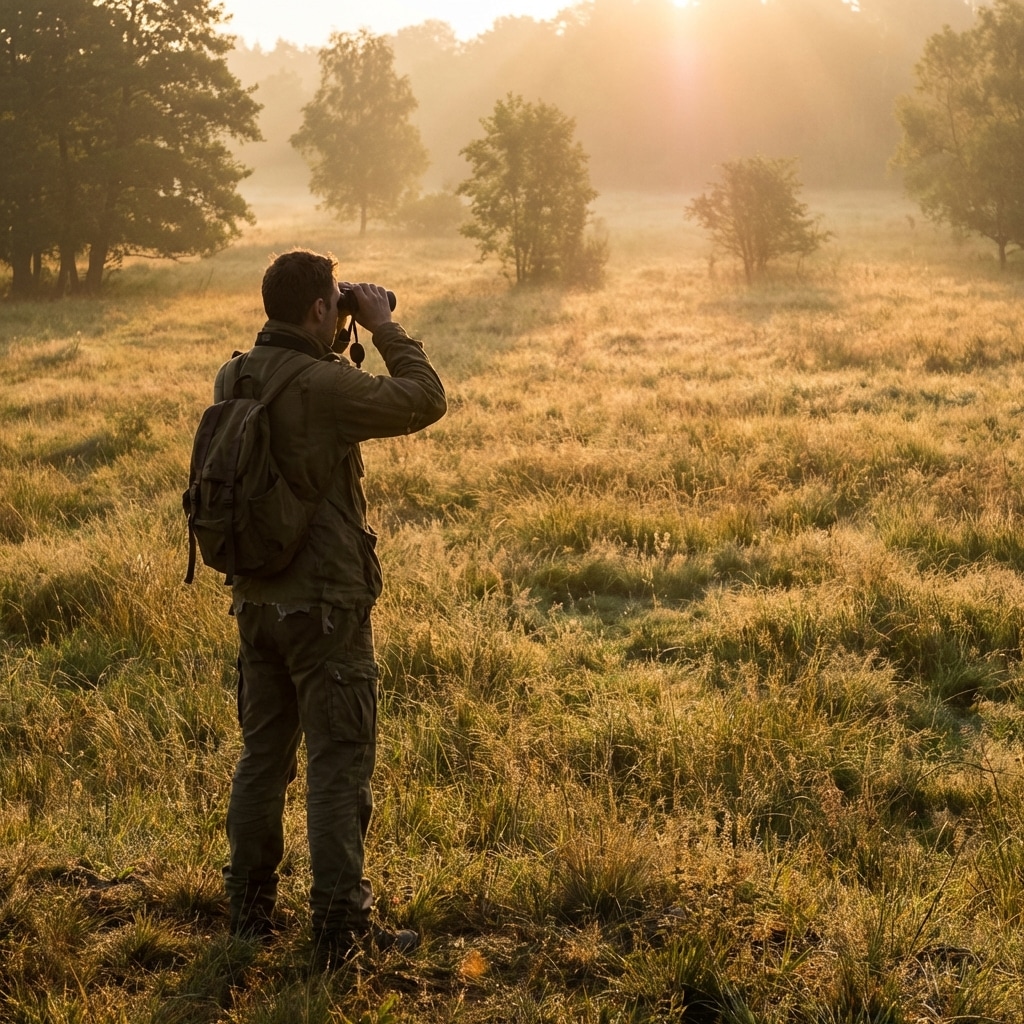
Picture this: You’re deep on the trail, miles from shelter, and the weather takes an unexpected turn. A sudden downpour, or perhaps the sun beats down relentlessly, draining your energy. For many outdoor enthusiasts, adding another item to an already packed backpack feels like a burden, not a solution.
But what if one simple, lightweight piece of gear could transform these challenges into minor inconveniences? Enter the backpacking umbrella – the often-overlooked yet incredibly versatile tool poised to revolutionize your outdoor adventures.
Far from a luxury, a well-chosen backpacking umbrella offers unparalleled protection, comfort, and adaptability. In this guide, we’ll explore why this compact companion is becoming a must-have for hikers, how to pick the perfect one, and practical tips to maximize its benefits on the trail.
Why a Backpacking Umbrella Is Your New Essential Gear
When compiling your backpacking gear list, thoughts typically drift to tents, sleeping bags, and navigation tools. An umbrella often seems out of place – an urban accessory ill-suited for rugged trails. Yet, modern backpacking umbrellas are engineered to defy these assumptions, offering compelling advantages that elevate your outdoor experience.
Unrivaled Weather Protection
The most immediate benefit of a backpacking umbrella is its instant, adaptable protection against Mother Nature’s unpredictable moods. Whether you’re navigating a sun-baked ridge or caught in an unexpected rain shower, deploying an umbrella offers immediate relief.
Unlike a traditional rain jacket, which can quickly turn into a personal sauna, an umbrella allows for crucial airflow, keeping you cool and dry simultaneously. In intense sun, it acts as a personal shade tree, shielding you from harmful UV rays and drastically reducing the risk of sunburn and heat exhaustion – a real game-changer on exposed trails.
Lightweight & Space-Saving Design
Weight is king for backpackers, and the notion of adding any extra ounces is usually met with skepticism. However, contemporary backpacking umbrellas are designed with ultra-light materials, often weighing less than 8 ounces – comparable to a small water bottle.
Many models collapse to a remarkably compact size, easily slipping into a backpack’s side pocket or strap. This minimal footprint ensures you gain significant protective benefits without sacrificing precious pack space or enduring noticeable extra bulk.
Beyond Just Protection: Unexpected Versatility
A backpacking umbrella isn’t just for sun and rain; its utility extends far beyond simple weather shielding. Imagine needing a quick, temporary shelter during a trailside break, or a convenient windbreak while cooking a meal in gusty conditions – your umbrella can serve these purposes and more.
Some advanced models feature reflective coatings for enhanced visibility, making them useful in low-light conditions or emergencies. Hands-free attachments are also common, allowing you to use trekking poles or consult a map without sacrificing your overhead protection.
Choosing the Best Backpacking Umbrella for Your Adventures
With an increasing array of options available, selecting the ideal backpacking umbrella requires a keen eye. Focus on these critical features to ensure your choice truly enhances your trail experience, rather than becoming another piece of forgotten gear.
Prioritize Weight and Packability
As discussed, every ounce counts when you’re carrying your home on your back. Aim for an umbrella weighing under 10 ounces; ultra-light models often weigh between 6-8 ounces, making them barely noticeable additions to your load.
Equally important is its packed size. Look for umbrellas that fold down to 10-12 inches or less in length. This compact form factor ensures it won’t awkwardly protrude from your pack or take up valuable internal space.
Durability Matters: Frame & Canopy Materials
A flimsy umbrella won’t survive a single gust of wind on an exposed ridge. Invest in models built with robust frame materials like fiberglass or aircraft-grade aluminum. These offer an excellent strength-to-weight ratio, resisting bending and breaking under pressure.
For the canopy, high-tenacity ripstop nylon is the gold standard. This material is not only lightweight and water-resistant but also incredibly tear-resistant, ensuring your umbrella can withstand snags and strong winds without failing when you need it most.
Comfort and Hands-Free Options
You’ll be holding this for extended periods, so an ergonomic handle is crucial. Look for grips that fit comfortably in your hand, ideally with a textured surface for better purchase when wet. A wrist strap can prevent accidental drops and reduce hand fatigue.
For ultimate convenience, consider models designed for hands-free use. These often integrate with backpack straps or trekking poles, allowing you to keep your hands free for navigation, photography, or maintaining balance on challenging terrain. This feature significantly boosts the umbrella’s practical value.
Maximizing Your Backpacking Umbrella’s Potential
Owning a backpacking umbrella is one thing; mastering its use on the trail is another. These practical tips will help you integrate it seamlessly into your outdoor routine, ensuring it’s always ready when duty calls.
Smart Packing & Deployment
Don’t bury your umbrella at the bottom of your pack. Store it in an easily accessible side pocket or attached to external loops so you can deploy it instantly when weather conditions shift. Quick access is key to its effectiveness.
When stowing, ensure it’s securely fastened to prevent it from snagging on branches or falling out. Many backpacks now include dedicated umbrella sleeves or compression straps that work perfectly for this purpose.
Synergize with Other Gear
A backpacking umbrella isn’t meant to replace your rain jacket entirely but rather to complement it. On rainy, humid days, pair your umbrella with a lightweight poncho for comprehensive, breathable protection that prevents overheating.
If you use trekking poles, explore hands-free attachment systems that connect your umbrella to your poles or backpack straps. This setup allows for stable, continuous shelter while keeping your hands free for balance and forward momentum.
Pre-Trip Familiarization
Before embarking on a multi-day trek, practice deploying and stowing your umbrella several times. Get a feel for its mechanism and how it attaches to your gear.
This pre-trip practice will save you fumbling in adverse weather, making deployment swift and efficient when you truly need it. Confidence in your gear’s operation is invaluable on the trail.
The Verdict: Should a Backpacking Umbrella Join Your Kit?
Initially viewed with skepticism by some traditionalists, the modern backpacking umbrella has carved out a definitive niche in the outdoor gear landscape. Its exceptional ability to provide immediate, breathable protection from both sun and rain, coupled with its lightweight and versatile design, makes it a surprisingly indispensable tool.
For outdoor enthusiasts seeking enhanced comfort, greater resilience against the elements, and ingenious multi-use functionality, the answer is a resounding yes. Investing in a quality backpacking umbrella is an investment in a more enjoyable, less strenuous, and ultimately safer outdoor experience.
Embrace this game-changing accessory, and you’ll wonder how you ever hiked without it. It’s time to lighten your load and brighten your outlook on every trail ahead.