Explore the Diverse World of Camping Stoves
The market offers an impressive array of camping stoves, each designed to cater to specific needs, environments, and cooking styles. Understanding the differences is the first step toward finding your perfect outdoor kitchen companion.- **Canister Stoves (Gas Stoves):**
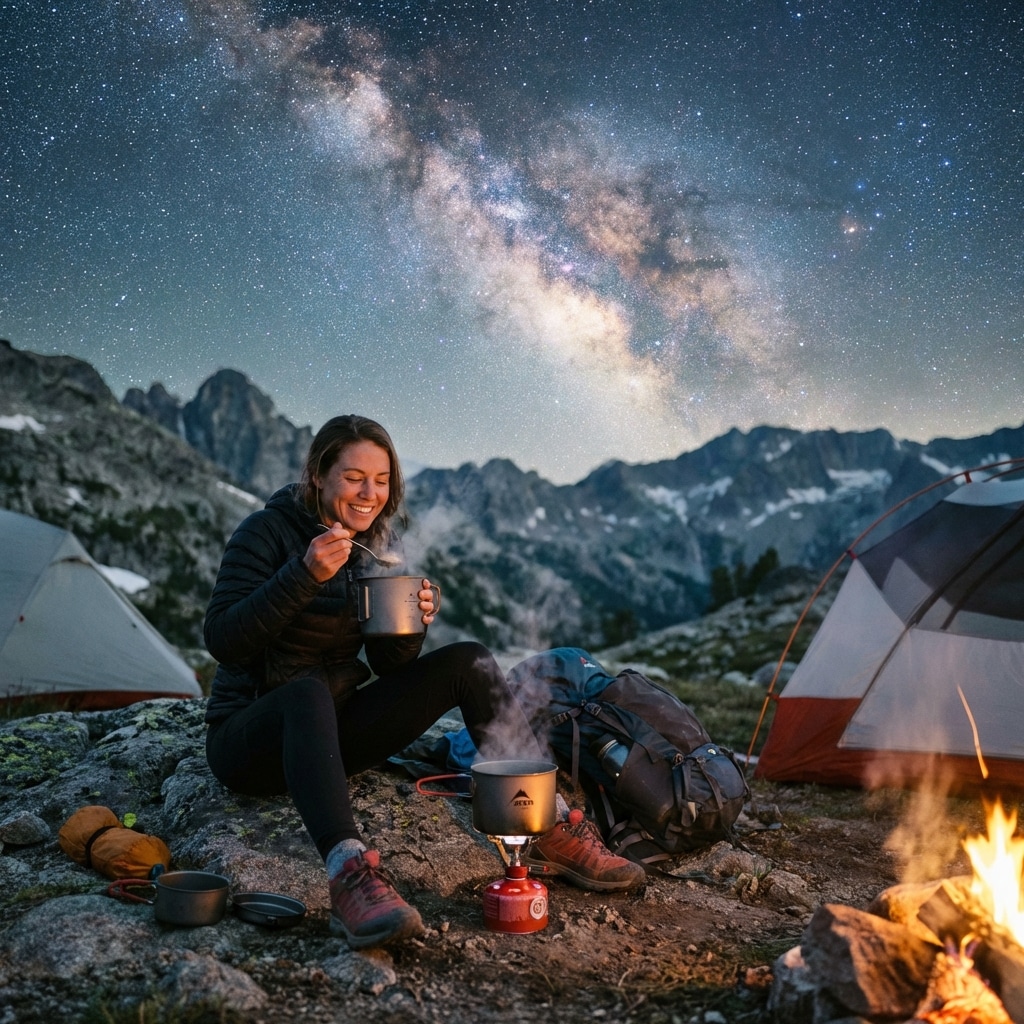
These popular stoves are incredibly lightweight, compact, and simple to operate, screwing directly onto threaded fuel canisters (usually containing a propane/isobutane blend). They offer instant flame, easy temperature control, and are ideal for solo backpackers or small groups seeking minimal fuss.
Pros: Lightweight, compact, easy to use, clean burning, good temperature control. Cons: Fuel canisters can be expensive and difficult to recycle, performance can degrade in cold weather or at high altitudes.
- **Liquid Fuel Stoves (White Gas Stoves):**
Often considered the workhorses of the camping world, liquid fuel stoves burn white gas (or sometimes unleaded gasoline in emergency situations). They are renowned for their powerful flame, excellent cold-weather performance, and the ability to cook for larger groups.
Pros: Excellent in cold weather/high altitude, powerful flame, fuel is widely available and cost-effective in bulk, refillable fuel bottles. Cons: Require priming, heavier, can be finicky to operate, more maintenance, produce soot.
- **Propane Stoves (Car Camping/RV Stoves):**
These stoves are commonly seen at car campsites and in RVs due to their robust design and simple operation. They typically connect to larger propane tanks (like 20lb tanks) or smaller 1lb canisters, offering multiple burners and stable cooking surfaces. They are fantastic for family meals.
Pros: Easy to use, excellent stability, multiple burners, powerful flame, widely available fuel. Cons: Bulky, heavy, less portable for backpacking, fuel tanks can be cumbersome.
- **Wood-Burning Stoves:**
For the eco-conscious and adventurous, wood-burning stoves utilize natural biomass (twigs, leaves, pinecones) as fuel. They offer a primal camping experience, are lightweight (as you don’t carry fuel), and can provide warmth, but require constant feeding and produce smoke.
Pros: No need to carry fuel, renewable energy, lightweight, doubles as a small campfire. Cons: Requires collecting fuel, smoky, inconsistent heat, leaves soot on cookware, not allowed in all areas (fire bans).
- **Integrated Stoves (All-in-One Systems):**
These systems, like Jetboil, combine the burner and cooking pot into a single, highly efficient unit. They are designed for rapid boiling, making them ideal for rehydrating meals and making hot drinks for backpackers who prioritize speed and fuel efficiency.
Pros: Extremely fuel-efficient, fast boil times, compact, easy to pack. Cons: Primarily for boiling, limited simmering capabilities, often more expensive, specific pots required.
Choosing Your Ideal Camping Stove: Key Considerations
With so many options, selecting the perfect camping stove can feel daunting. By evaluating your specific needs and priorities, you can narrow down the choices and invest in a stove that truly enhances your outdoor cooking experience.1. Determine Your Camping Style
- **Backpacking/Thru-Hiking:** Prioritize weight, packability, and fuel efficiency. Canister, integrated, or lightweight wood-burning stoves are excellent choices.
- **Car Camping/Family Trips:** Stability, multiple burners, and cooking capacity are key. Propane stoves, often two-burner models, are ideal.
- **RV Camping:** While RVs have built-in kitchens, a portable propane stove can extend your cooking area outdoors.
- **Expedition/Winter Camping:** Reliability in extreme cold and high altitude is crucial. Liquid fuel stoves excel here.
2. Fuel Type and Availability
Consider not only the stove type but also the accessibility and cost of its fuel. Canisters are convenient but can be hard to recycle. White gas is widely available but requires careful handling. Propane is ubiquitous but tanks are heavy. Wood is free but requires collection and isn’t always permissible.3. Cooking Needs and Group Size
- **Solo or Duo:** A single-burner canister or integrated stove is usually sufficient for boiling water and simple meals.
- **Small Group (3-4 people):** A liquid fuel stove or a compact propane stove with good simmering control offers more versatility.
- **Large Group/Family (5+ people):** Multi-burner propane stoves provide the capacity needed for diverse meals.
4. Boil Time and Simmer Control
If you’re primarily boiling water for dehydrated meals, a fast-boiling integrated system is great. If gourmet cooking is your aim, look for stoves with excellent simmer control to prevent burning and allow for more complex recipes.5. Weight, Size, and Durability
Backpackers need lightweight and compact designs. Car campers can prioritize stability and larger cooking surfaces. All campers benefit from durable construction that can withstand the rigors of outdoor use.6. Budget and Long-Term Investment
Camping stoves range widely in price. While it’s tempting to opt for the cheapest option, investing in a high-quality, durable stove that meets your needs will often prove more cost-effective and reliable in the long run.Prioritizing Safety: Essential Camping Stove Practices
Safety is paramount when operating any camping stove. Mishaps can quickly turn a fun outing into a dangerous situation. Always follow these guidelines to ensure a secure and enjoyable cooking experience.- **Read the Manual:** Always begin by thoroughly reading the manufacturer’s instructions for your specific stove model. Familiarize yourself with its operation, maintenance, and safety features.
- **Ventilation is Key:** Never use a camping stove inside a tent, enclosed shelter, or unventilated vehicle. Combustion produces carbon monoxide (CO), an odorless, colorless, and deadly gas. Always cook in a well-ventilated outdoor area.
- **Stable and Level Surface:** Set up your stove on a flat, stable, non-flammable surface, away from any overhanging branches or dry vegetation. A wobbly stove is a hazard waiting to happen.
- **Clear Combustible Materials:** Keep all flammable items—paper, plastic, clothing, dry leaves, tents, sleeping bags—a safe distance from the stove while it’s in operation.
- **Fuel Handling & Storage:**
* **Liquid Fuels:** Refuel liquid fuel stoves only when they are cool, away from any open flames or heat sources. Store fuel in clearly marked, appropriate containers, away from your tent and direct sunlight.
* **Canisters:** Ensure canisters are securely attached and checked for leaks before lighting. Store spare canisters in a cool, shaded place, away from extreme heat.
- **Never Leave Unattended:** A burning stove should never be left unsupervised. Stay with your stove until the flame is completely extinguished and the unit has cooled down.
- **Check for Leaks:** Before lighting any gas stove, perform a leak check using soapy water (bubbles indicate a leak) or by listening and smelling for gas.
- **Have a Fire Extinguisher/Water Nearby:** For added precaution, especially with larger stoves or in dry conditions, have a small fire extinguisher, a bucket of water, or sand readily accessible.
- **Be Aware of Local Regulations:** Always check for local fire restrictions and regulations. Wood-burning stoves, in particular, may be prohibited during certain times or in specific areas due to fire danger.