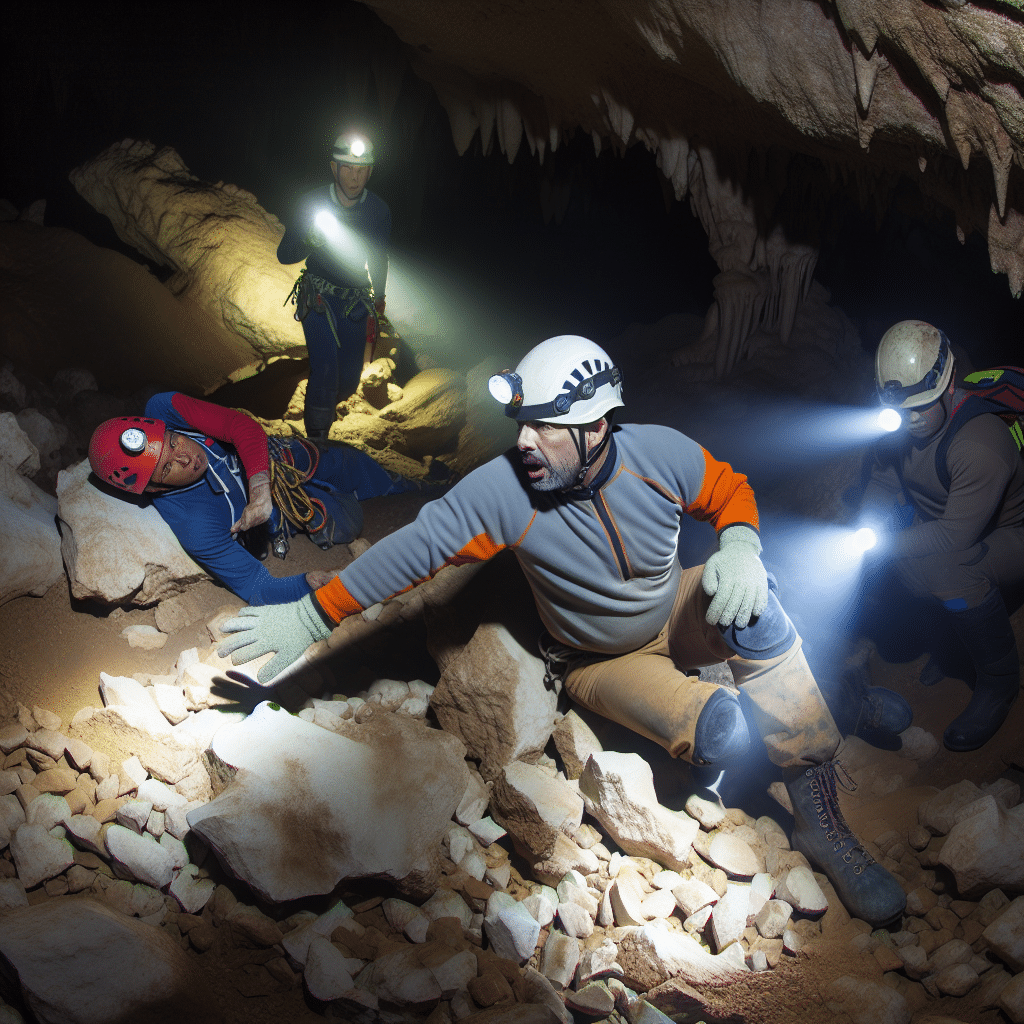
Caving, also known as spelunking, is an exhilarating journey into the Earth’s hidden wonders—a world of breathtaking formations, ancient silence, and untouched passages. It’s the ultimate adventure for those who dare to explore the mysterious depths beneath our feet. Yet, this profound allure comes with inherent dangers. Caving accidents are a stark, often tragic, reminder that the underground realm demands ultimate respect and rigorous preparation.
This guide isn’t meant to deter your adventurous spirit, but to equip it with knowledge. We’ll delve into the primary causes of caving accidents, learn from both past triumphs and tragedies, and, most importantly, provide actionable insights to prevent them, ensuring your subterranean explorations are thrilling, not perilous.
Unveiling the Causes: Why Caving Accidents Happen
Like all adventure sports, caving is fraught with potential hazards. Understanding the common causes of caving accidents isn’t just academic; it’s foundational to preparing better and significantly mitigating risks.
Nature’s Unpredictability: Geological Hazards
Caves are dynamic, ever-changing environments sculpted by millennia of natural forces. This means they are inherently unstable. Rockfalls, sudden cave-ins, and flash floods can occur without warning, transforming a safe passage into a deadly trap.
Even minor disturbances can trigger significant collapses. Cavers must always be aware that the ground beneath and above them is subject to geological whims, making constant vigilance crucial.
Human Factors: Exhaustion, Panic & Misjudgment
Caving is an intensely physical and mentally demanding activity, requiring peak endurance, strength, and unwavering mental fortitude. Accidents often stem from physical fatigue, which can severely impair judgment and slow reaction times when they’re needed most.
Moreover, the dark, confined, and often disorienting spaces of caves can induce panic in even the most seasoned explorers. This fear can lead to poor decision-making, increasing the likelihood of an accident.
The Gear Gap: Inadequate Equipment & Poor Preparation
One of the most preventable causes of caving accidents is the use of inadequate or inappropriate equipment. A helmet failing, a rope snapping, or a light going out in the pitch black can turn a routine trip into a catastrophe.
Equally dangerous is venturing into a cave without proper preparation. This includes failing to research the cave’s layout, weather conditions, or neglecting to inform someone outside of your plans and estimated return time.
Lessons from the Deep: Notable Caving Tragedies
While countless cavers enjoy their adventures without incident, some stories serve as grim, yet invaluable, reminders of the sport’s inherent dangers. These events highlight the critical importance of safety protocols and respecting the underground environment.
The Nutty Putty Cave: A Trapped Dream
In 2009, the world watched the tragic events unfold in Utah’s Nutty Putty Cave. John Jones, an experienced caver, became hopelessly trapped upside down in a narrow, unexplored passage. Despite a monumental, multi-day rescue effort by dozens of professionals, the unique challenges of the cave system made extraction impossible.
His death underscored the critical importance of recognizing and respecting cave boundaries, as well as being brutally honest about personal physical limitations within tight spaces.
Thailand’s Tham Luang Cave: A Global Rescue Effort
The 2018 Tham Luang cave rescue captivated global attention when twelve young boys and their soccer coach became trapped by flash floods deep within the cave system in Thailand. They were cut off for over two weeks, sparking an unprecedented international rescue operation.
This complex, dangerous, and ultimately successful mission tragically claimed the life of Saman Kunan, a former Thai Navy SEAL, who died while delivering oxygen tanks. The event dramatically illustrated the unpredictable nature of caves, the extreme heroism of rescuers, and the life-or-death consequences of unexpected environmental changes.
Mastering the Underground: Essential Caving Accident Prevention
While the risks of caving can never be entirely eliminated, diligent preparation and strict adherence to safety protocols can dramatically reduce the likelihood of accidents. Your safety, and the safety of your team, depends on it.
Before You Descend: Meticulous Pre-Trip Planning
Research and planning are not just advisable; they are non-negotiable before any caving expedition.
Know Your Cave: Thoroughly research the cave’s layout, known hazards (e.g., tight squeezes, deep pits, water crossings), and historical flood patterns. Obtain up-to-date cave maps.
Check the Forecast: Understand local weather conditions, especially rainfall, as it directly impacts flash flood risks in cave systems.
Formulate a Trip Plan: Detail your route, expected duration, and return time. Leave this plan with a reliable “outside contact” who knows when to initiate an alert if you don’t check in.
Emergency Contacts: Ensure everyone in your party has vital emergency contacts and medical information readily accessible.
Your Lifeline: The Right Equipment & Its Use
Investing in high-quality, reliable caving gear is paramount. Your equipment is your primary defense against the underground environment.
Three Sources of Light: Always carry a primary headlamp, a secondary headlamp, and a backup light source (with spare batteries for all). Complete darkness is disorienting and dangerous.
Helmet: A sturdy caving helmet is essential for protecting against rockfalls and head impacts.
Ropes and Hardware: Use static ropes designed for caving, tested, and inspected regularly. Learn and practice proper knot tying and rappelling techniques with appropriate carabiners and descenders.
First-Aid Kit: A comprehensive, waterproof first-aid kit is crucial. Include essentials for cuts, sprains, hypothermia, and any personal medications.
Emergency Supplies: Pack extra food, water, a space blanket, and signaling devices (whistle, mirror) in case of an unexpected delay.
Appropriate Clothing: Wear layers of synthetic or wool clothing suitable for wet, cold, and abrasive conditions.
Teamwork & Training: The Strength in Numbers
Caving should never be a solo activity. The buddy system and strong team coordination are vital for safety.
Team Communication: Maintain constant communication within your group. Never get separated, and always confirm everyone’s status, especially during tricky passages.
Skill Assessment: Ensure everyone in your team has the necessary skills for the planned cave. Avoid pushing individuals beyond their comfort or capability levels.
Regular Training: Participate in regular caving training, including mock rescue scenarios, knot practice, and confined space navigation. Familiarity with techniques can be lifesaving in an emergency.
First Aid & CPR: At least one member of the team should be certified in wilderness first aid and CPR.
When Disaster Strikes: The Critical Role of Cave Rescue
Even with the best preparation, accidents can happen. When they do, specialized cave rescue teams are the lifeline for those trapped underground. These highly trained volunteers undergo rigorous preparation to navigate the treacherous and unique conditions of cave rescues.
Specialized Skills & Gear: The Rescuer’s Arsenal
Cave rescue operations are among the most complex and dangerous. Teams utilize an arsenal of specialized equipment and techniques, from intricate rope systems for vertical extraction to confined-space medical stabilization.
Their expertise in navigation, technical rope work, medical care in extreme environments, and even engineering small passages is crucial for the survival of those in peril. Many also bring psychological resilience to manage high-stress, protracted operations.
A Unified Front: Coordination and Collaboration
Effective cave rescues are rarely solo efforts. They often involve seamless collaboration between multiple agencies, including local authorities, fire departments, emergency medical services, and experienced caving organizations.
The success of these operations hinges on meticulous coordination, clear communication, and the ability to make swift, informed decisions under immense pressure, often with limited resources and in challenging conditions.
Conclusion: Embrace the Adventure, Prioritize Safety
Caving offers an unparalleled blend of adventure, discovery, and connection with the raw beauty of our planet. It’s an activity that profoundly rewards those who dare to explore its depths. However, this profound reward is accompanied by significant, undeniable risks.
Caving accidents, often tragic, serve as sobering reminders of the paramount importance of thorough preparation, proper equipment, continuous training, and unwavering respect for the subterranean environment. By learning from past tragedies and rigorously adhering to safety protocols, cavers can continue to enjoy the thrill of exploration while minimizing the dangers.
As the caving community grows, fostering a culture of safety and responsibility remains paramount. Let’s ensure that the allure of the underground always leads to awe and wonder, not to a fatal attraction. Explore wisely, prepare thoroughly, and always return safely.