Imagine the salty air, the rhythmic crash of waves, and the thrill of discovery beneath your feet. Clam digging in California isn’t just an activity; it’s an immersive experience that connects you to the Golden State’s vibrant coastal culture. From seasoned mollusk mavens to curious beginners, California’s 800+ miles of diverse shoreline offer unparalleled opportunities to unearth your own delicious bounty.
Ready to trade the everyday hustle for the satisfying challenge of the hunt? Join us as we dive into everything you need to know to embark on your unforgettable clamming adventure along the iconic Pacific Coast.
Why California is Your Ultimate Clam Digging Destination
California’s vast coastline is a treasure trove for shellfish enthusiasts, offering a unique blend of natural beauty and rewarding outdoor recreation. It’s no wonder clamming attracts both locals and tourists seeking a distinctive coastal experience.
A Bounty of Pacific Shellfish
The shoreline is teeming with a variety of delectable clam species, each promising a distinct culinary delight and a unique digging challenge. You’ll primarily encounter three popular types:
Pismo Clams: Famous for their large size and savory meat, predominantly found on sandy beaches like their namesake, Pismo Beach.
Razor Clams: Known for their elongated, brittle shells and quick burrowing ability, often found in northern California estuaries.
Little Neck Clams: Smaller, tender clams, perfect for steaming or pasta, commonly found in bays and mudflats.
More Than Just a Catch: The Benefits of Clamming
Clamming offers much more than just a meal. It’s a fantastic way to engage in physical exercise, breathe fresh ocean air, and reconnect with nature. It’s an ideal family activity, fostering bonding and creating lasting memories.
Beyond the fresh air, there’s a primal satisfaction that comes with harvesting your own food. The thrill of the hunt, followed by savoring a meal you gathered yourself, provides an unparalleled sense of accomplishment and connection to your surroundings.
Mastering the Art of the Dig: Essential Tips & Techniques
Clam digging is an art form that blends patience, observation, and technique. Success often hinges on understanding the rhythms of the ocean and the subtle signs left by these hidden mollusks.
Timing is Everything: Understanding Tides
The golden rule of clamming is to go at low tide. This is when the intertidal zone, where clams reside, is exposed, making them much easier to locate. Always consult local tide charts before planning your trip. The lowest tides, often during a full or new moon, yield the best results.
Decoding the “Shows”: How to Spot Clams
Clams leave subtle indicators of their presence on the sand surface, known as “shows.” These can be small holes, dimples, or even slight indentations where water squirts out when you step nearby. Learning to identify these clues is key to a successful hunt.
The Right Tools for the Job
While you can start with just a sturdy shovel and a bucket, specialized equipment can significantly enhance your clamming experience. Consider these essential items:
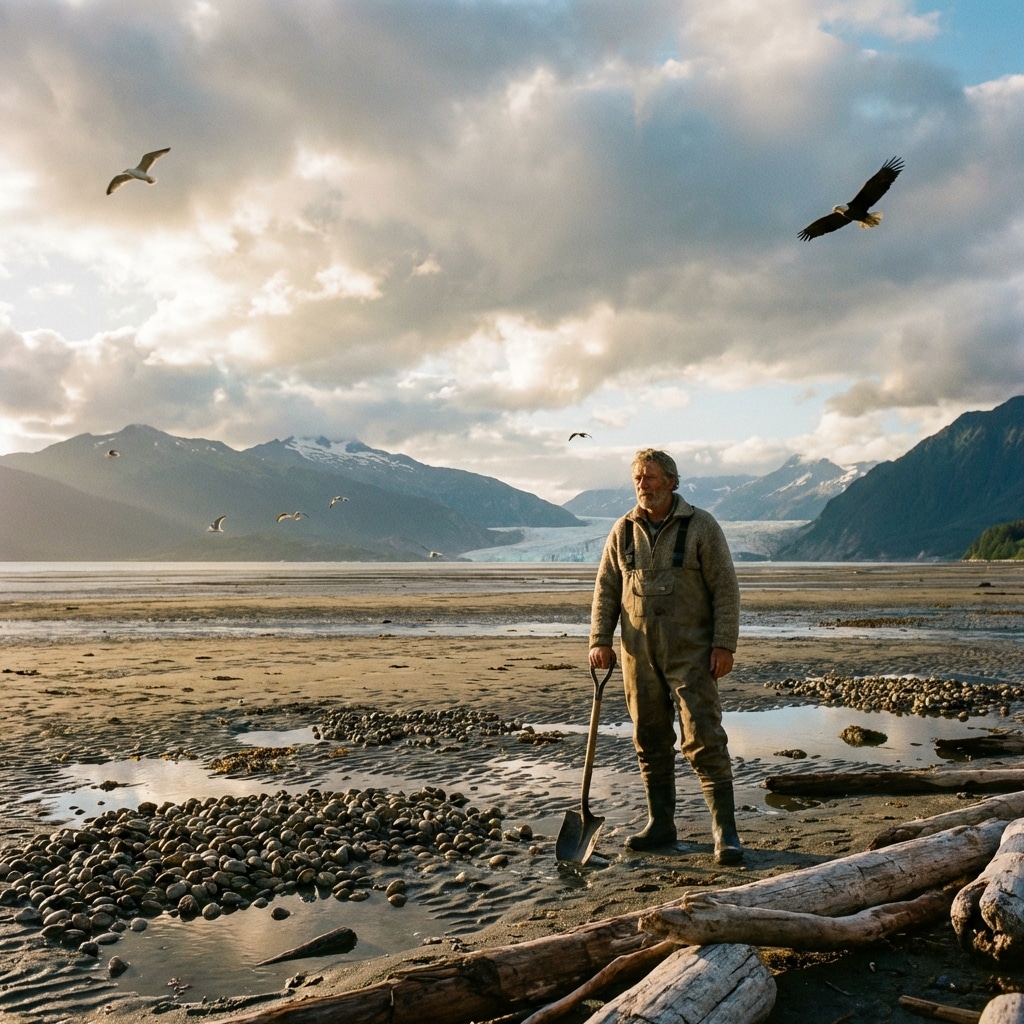
Shovel/Spade: A strong, durable shovel is crucial for digging through sand and mud.
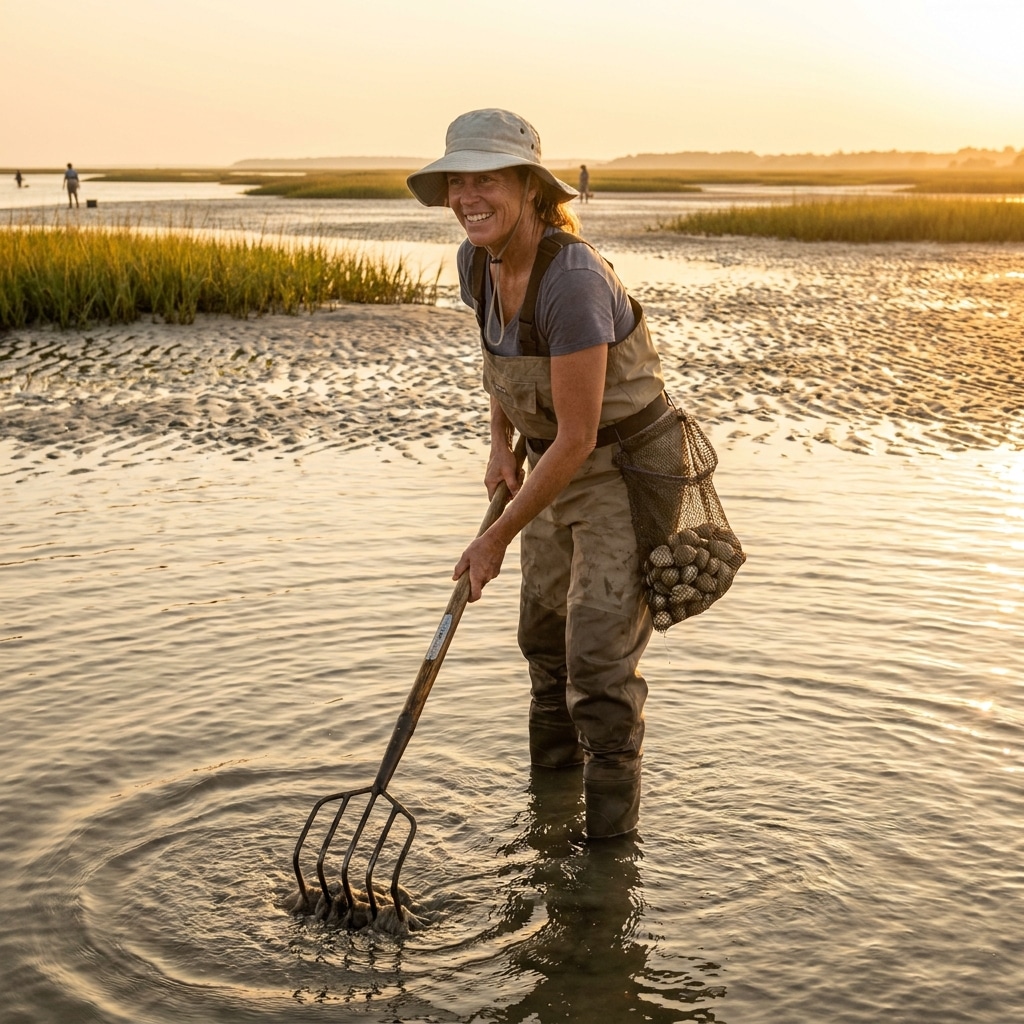
Clam Fork/Rake: Ideal for sifting through sand or probing for clams, particularly effective for smaller species.
Clam Gun: A cylindrical tool used to extract clams from deeper sandbeds with minimal effort, especially popular for razor clams.
Bucket or Mesh Bag: To safely store your catch. Mesh bags allow water to drain and keep clams fresh.
Waders or Waterproof Boots: Keep you dry and comfortable in chilly coastal waters.
Gloves: Protect your hands from shells and potential cuts.
Digging Deep: Techniques for Different Clams
Each clam type may require a slightly different approach. For Pismo clams, a systematic trench-digging method is often effective. Razor clams, known for their speed, require swift and precise use of a clam gun or shovel once a show is spotted.
Remember, balance speed with care. You want to retrieve the clam quickly before it burrows deeper, but gently enough to avoid cracking its shell.
Navigating Regulations: Your Legal & Ethical Guide to California Clamming
To ensure the sustainability of California’s clam populations, strict regulations are enforced by the California Department of Fish and Wildlife (CDFW). Familiarizing yourself with these rules is not just about legality, but also about responsible recreation.
Essential Gear & Licensing Requirements
Anyone aged 16 or older must possess a valid California sport fishing license to engage in clamming. These can be purchased online through the CDFW website or at authorized retailers statewide. Always carry your license with you when clamming.
Know Your Limits: Size, Bag & Seasonal Rules
Size Limits: Many clam species have minimum size requirements. Undersized clams must be immediately returned to the hole from which they were dug.
Daily Bag Limits: There’s a maximum number of clams you can harvest per person, per day, which varies by species and location.
Seasonal Restrictions: Certain areas or species may have closed seasons to allow populations to recover.
Before heading out, always check the latest California Ocean Sport Fishing Regulations booklet, available on the CDFW website, for the most current rules specific to your chosen clamming spot and target species.
Practicing Sustainable Clamming
Beyond legal compliance, responsible clamming involves ethical practices. Always refill your holes to protect other marine life and beachgoers. Respect private property and sensitive ecosystems. By practicing good stewardship, you help ensure that California’s clamming tradition thrives for future generations.
Top Clam Digging Spots in California: Where to Find Your Feast
California’s extensive coastline boasts numerous prime clamming locations. Here are a few renowned spots where you can put your newfound skills to the test.
Pismo Beach: The Pismo Clam Capital
When you think of clamming in California, Pismo Beach often comes to mind. This iconic central coast destination is synonymous with its namesake, the Pismo clam. Its wide, sandy beaches provide the perfect habitat for these large, delicious mollusks. While populations fluctuate, it remains a favorite for many clam diggers.
Northern California Gems: Half Moon Bay, Bodega Harbor & Tomales Bay
Venture north for a different clamming experience. Half Moon Bay offers opportunities for various clam species, while Bodega Harbor and Tomales Bay are particularly popular for little neck and other bay clams. These estuarine environments provide rich, muddy substrates ideal for a diverse array of shellfish.
Always remember to check local conditions and regulations for your chosen spot, as specific rules can vary even between nearby locations.
Ready to Dig In? Your California Clamming Adventure Awaits!
Clam digging in California is more than just a quest for delicious shellfish; it’s an invitation to connect deeply with the state’s natural beauty and rich coastal traditions. It’s a chance to unplug, enjoy the outdoors, and create cherished memories with family and friends.
So, gather your gear, check the tides, and secure your fishing license. Head to the beach with a spirit of adventure and a commitment to respecting nature. The Pacific Coast is calling, and a bounty of fresh, self-harvested clams awaits your discovery. Happy digging!