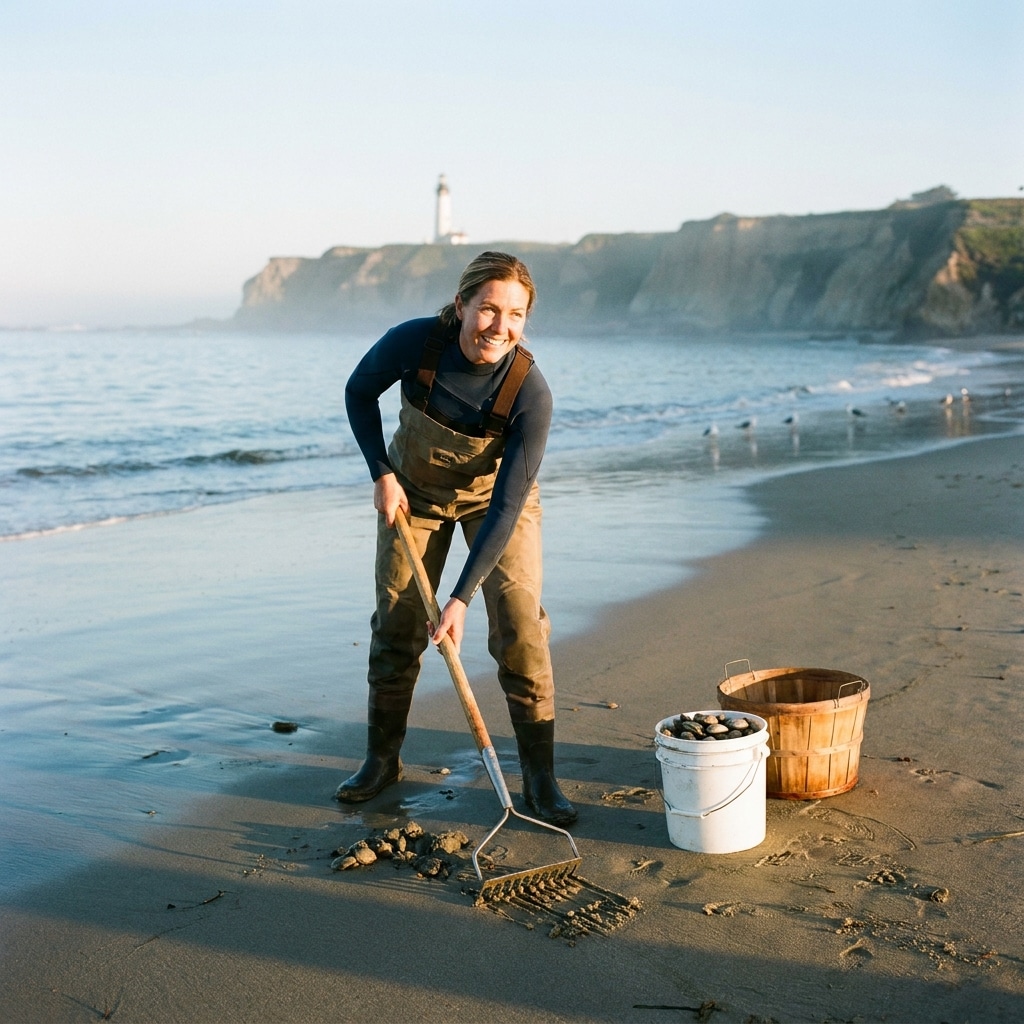
Imagine the crisp Pacific air, the rhythmic sound of waves, and the thrill of unearthing nature’s hidden treasures beneath Washington State’s sandy shores. Clam digging here isn’t just an activity; it’s a cherished tradition, drawing thousands to its bountiful coastline each year. From seasoned diggers to curious first-timers, the allure of finding your own fresh seafood is undeniable.
Whether you’re dreaming of the prized razor clam, the colossal geoduck, or the versatile Manila clam, Washington offers a unique adventure for everyone. This comprehensive guide will equip you with everything you need to embark on a successful and unforgettable clam digging journey in the Evergreen State.
Why Washington State is a Clam Digging Paradise
Washington State boasts an extraordinary combination of factors that make it a premier destination for clam digging. Its extensive coastline, rich marine biodiversity, and well-managed public access create an unparalleled environment for this beloved pastime. It’s a place where thriving ecosystems meet responsible harvesting, ensuring a sustainable adventure for generations.
A Kaleidoscope of Clam Species
The diverse coastal ecosystems of Washington are home to a remarkable variety of clam species, each offering a distinct digging experience and culinary delight. Understanding what you might find adds to the excitement of your trip.
Razor Clams: These are the undisputed stars of Washington’s clamming scene. Known for their elongated, brittle shells and exceptionally sweet, tender meat, razor clams are highly sought after by diggers. Prime digging spots typically include the vast, open beaches of the Pacific coast.
Geoducks: A true Washington spectacle, geoducks are giant, deep-burrowing clams famous for their long “necks” or siphons. These massive mollusks can live for over 100 years and are a challenging but highly rewarding find for dedicated diggers.
Manila Clams: Smaller and more accessible, Manila clams are frequently found in the intertidal zones of Puget Sound and Hood Canal. They’re a favorite for their ease of harvesting and their delicious flavor, perfect for steaming or adding to pasta dishes.
Abundant Public Access and Sustainable Management
What truly sets Washington apart is its commitment to providing public access to fertile clam beaches. The Washington Department of Fish and Wildlife (WDFW) carefully manages clam populations and habitat, ensuring that these rich resources remain available. This blend of natural abundance and proactive conservation guarantees consistent opportunities for everyone to enjoy clamming.
Essential Prep: Your Clam Digging Checklist
Before you even think about sinking your shovel into the sand, proper preparation is key to a safe, legal, and successful clam digging adventure. Don’t overlook these crucial steps.
Understand Regulations and Secure Permits
Washington State has strict, but vital, regulations designed to protect its marine ecosystems and ensure sustainable harvesting. Familiarizing yourself with these rules is non-negotiable.
Shellfish License: A valid shellfish license is mandatory for anyone aged 15 and older. These can be conveniently purchased online via the WDFW website or at various local sporting goods stores throughout the state.
Harvest Limits: Each clam species has specific daily catch limits and size restrictions. These limits are enforced to prevent overharvesting and are critical for maintaining healthy clam populations. Always check current regulations before you dig.
Beach Openings & Safety Alerts: Not all beaches are open for digging year-round, or even daily. Always check the official WDFW clam digging schedule. Additionally, be aware of marine toxin alerts (like “red tide”) which can render clams unsafe to eat. Always check current conditions before heading out.
Gather Your Indispensable Gear
The right tools make all the difference between a frustrating search and a bountiful harvest. Equip yourself properly for the specific type of clam you’re targeting.
Digging Tools: For razor clams, a specialized clam shovel or a clam gun (a cylindrical tube used to create a vacuum) is essential. For geoducks, a larger shovel and potentially a “geoduck tube” are needed. For Manila clams, a simple garden rake or hand trowel usually suffices.
Collection & Protection: Bring a sturdy clam net, bucket, or mesh bag to hold your catch. Waterproof boots (waders are often preferred for razor clamming) and gloves are crucial for staying dry and comfortable in the chilly, often wet conditions.
Lighting: Many successful clam digs occur during extreme low tides, which often fall in the early morning darkness or late evening hours. A reliable flashlight or headlamp is absolutely essential for visibility and safety.
Top Clam Digging Spots in Washington State
Washington State is dotted with incredible locations perfect for clamming. Here’s a guide to some of the most popular and productive spots, catering to different clam species and experiences.
Pacific Coast Beaches (Razor Clams)
Long Beach Peninsula: Stretching for miles, Long Beach is a legendary destination for razor clam enthusiasts. Its vast sandy expanses provide ample room for diggers and are consistently productive. The nearby towns offer excellent amenities, making it ideal for a family clamming getaway.
Copalis Beach: North of Long Beach, Copalis Beach is another prime spot renowned for its rich razor clam beds and stunning coastal scenery. It’s often less crowded than Long Beach, offering a more tranquil experience, and is also great for beachcombing.
Twin Harbors & Mocrocks: These beaches also provide excellent razor clamming opportunities, often opening for digs when other areas might be closed. Always check the WDFW schedule for specific opening dates and times for each beach.
Hood Canal: This tranquil fjord-like body of water is a gem for those seeking smaller, delectable clams like Manila clams and native littlenecks. The unique tidal flats and sheltered waters of Hood Canal offer a peaceful and productive digging experience, perfect for beginner clam diggers.
Puget Sound Beaches: Many public beaches and state parks within Puget Sound (such as those near Olympia, Gig Harbor, and various islands) offer opportunities for harvesting Manila and butter clams. These spots are often easily accessible and provide a different kind of clamming adventure compared to the open coast.
Mastering the Dig: Expert Tips & Safety
Transform your clamming trip from a hopeful stroll to a successful harvest with these seasoned tips and crucial safety reminders.
Timing is Everything: Always aim to dig during the lowest tides, ideally “minus” tides, which expose more of the clam beds. Consult tide charts diligently and plan to arrive at least an hour before the listed low tide to maximize your digging window.
Spotting Clam “Shows”: For razor clams, look for small depressions or “dimples” in the sand, often in the shape of a keyhole or donut, which indicate a clam is burrowed beneath. For geoducks, a small squirt of water or a large hole in the sand can be a giveaway.
Practice Sustainability: Only harvest what you need and adhere strictly to catch limits. Fill in your holes after digging to maintain the beach integrity and protect other marine life. Responsible clamming ensures future opportunities for everyone.
Know Your Clams: Familiarize yourself with the appearance of different clam species. This helps you identify legal clams and avoids confusion, ensuring you’re harvesting within regulations.
Bring the Right Tools: Match your tool to your target. A clam gun is generally best for razor clams, while a sturdy shovel and sometimes a PVC tube are needed for the deeper geoducks. For Manila clams, a rake or trowel is perfect.
Prioritize Safety: The coast can be unpredictable. Be aware of incoming tides and never turn your back on the ocean. Watch out for slippery rocks and submerged debris. Always let someone know your plans and expected return time, especially if digging alone.
The Unforgettable Experience of Washington Clamming
Clam digging in Washington State offers far more than just a meal. It’s an immersive experience that connects you with nature, local culture, and the thrill of discovery. Imagine the satisfaction of bringing home a bucket of fresh clams, knowing you harvested them yourself from the pristine Pacific waters.
It’s a perfect activity for creating lasting memories with family and friends, fostering an appreciation for marine life, and enjoying the sheer beauty of Washington’s coastlines. The fresh air, the physical activity, and the promise of a delicious feast make every clamming trip a truly rewarding adventure.
In conclusion, clam digging in Washington State is a quintessential Pacific Northwest experience. With its rich marine biodiversity, stunning coastal landscapes, and a strong commitment to conservation, it’s an ideal destination for both seasoned diggers and curious first-timers. So, grab your gear, secure your permits, and prepare to immerse yourself in the exciting world of clam digging – an adventure you won’t soon forget!