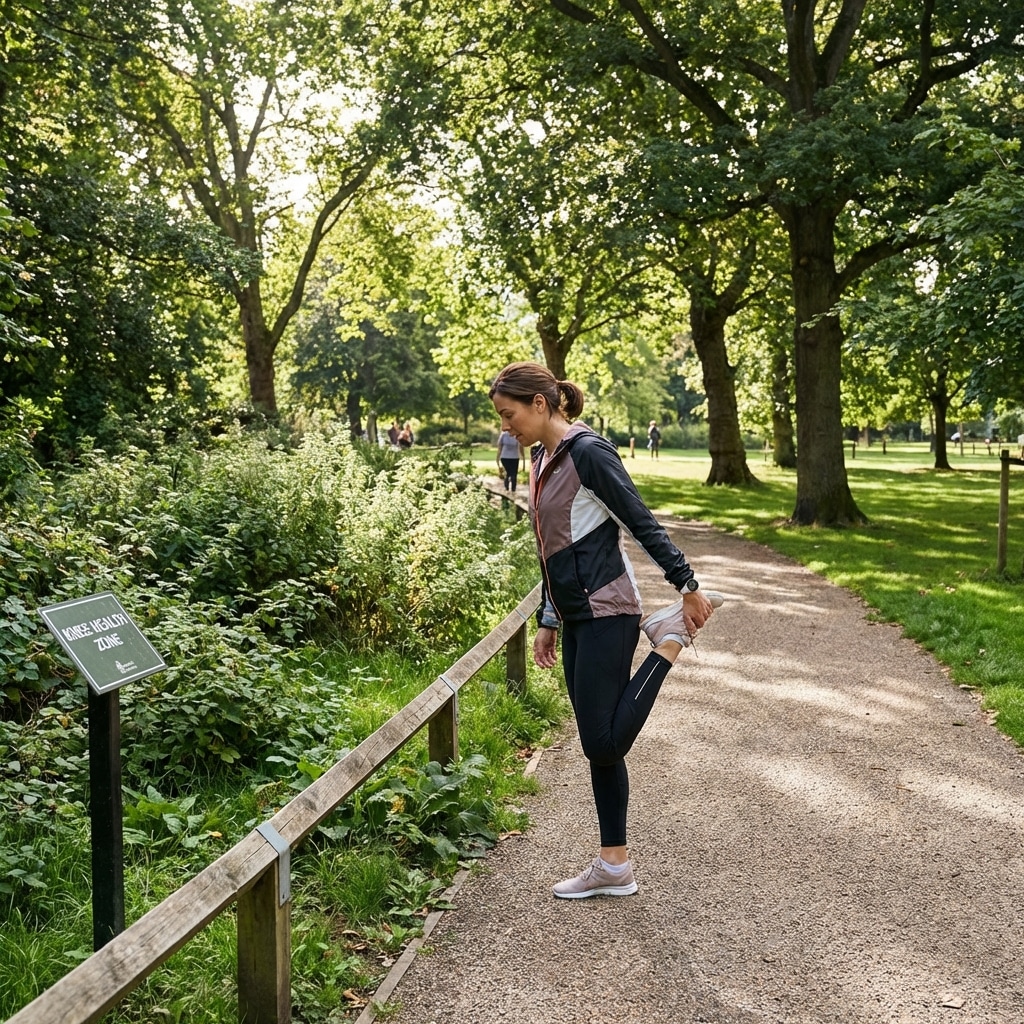
Being physically fit is more than just a trend; it’s a cornerstone of a healthy, fulfilling life. While traditional gyms offer structured workouts, many are seeking innovative ways to exercise that blend physical challenge with the invigorating embrace of nature. Enter **fitness trail plans** – a burgeoning movement transforming how we approach outdoor activity.
Imagine a workout where your “gym” is a sprawling park, a winding forest path, or a scenic waterfront trail, dotted with expertly designed exercise stations. Sound appealing? You’re not alone. These engaging **outdoor workouts** offer a holistic approach to wellness, but what exactly do they entail, and how can you integrate them into your routine?
What Exactly Are Fitness Trail Plans?
**Fitness trail plans**, often known as **exercise paths**, **parcourses**, or outdoor gyms, are structured workout regimes designed around naturally occurring elements or purpose-built stations along walking, jogging, or hiking trails. These plans provide a unique blend of cardiovascular activity and targeted strength training, all within the refreshing environment of the great outdoors.
Each trail typically features a series of stations, strategically placed to offer a **full-body workout**. You might encounter pull-up bars, balance beams, parallel bars for dips, step-up platforms, and instructional signs guiding you through various exercises. The beauty lies in their accessibility and versatility, catering to different fitness levels and goals.
Why Choose Fitness Trail Plans? The Benefits Beyond the Gym
The popularity of **outdoor fitness** isn’t just a fleeting trend; it’s driven by a myriad of benefits that extend far beyond physical conditioning.
Comprehensive Physical Fitness
Fitness trails are designed to challenge every major muscle group. From cardio bursts on the trail itself to specific **bodyweight exercises** at stations, you’ll improve strength, endurance, flexibility, and balance simultaneously. It’s a dynamic and engaging way to achieve a well-rounded physique without needing multiple pieces of equipment.
Boost Your Mental Well-being
The interaction with nature is a powerful stress reducer. Studies show that exercising outdoors can significantly lower cortisol levels, improve mood, and even enhance cognitive function. Fresh air and scenic views offer a therapeutic escape, turning your workout into a mindful practice.
Social Connection & Community
Fitness trails are excellent venues for social interaction. Whether you’re working out with friends, family, or fellow trail enthusiasts, these shared experiences foster a sense of community and can boost motivation. It’s a fantastic way to connect with others who share a passion for active living.
Accessibility and Cost-Effectiveness
Many **fitness trail plans** are publicly accessible and free to use, making them an inclusive option for everyone. They remove common barriers to exercise, like expensive gym memberships or the need for specialized equipment, democratizing access to **physical fitness**.
Key Elements You’ll Find on a Fitness Trail
A well-designed **parcourse** integrates various types of exercise to ensure a holistic workout.
Cardiovascular Zones
The trail itself forms the backbone of your cardio workout. This includes brisk walking, jogging, or running between stations. Some trails might even feature elevated sections or stairs to further challenge your heart rate and endurance.
Strength Training Stations
These are the core of the **outdoor gym** experience. You’ll find equipment designed for **strength training**, utilizing your body weight or simple resistance. Common stations include:
Pull-up Bars: For back and bicep strength.
Push-up Bars/Stations: Targeting chest, shoulders, and triceps.
Parallel Bars: Ideal for dips to strengthen triceps and chest.
Sit-up/Abdominal Benches: For core engagement.
Balance Beams/Logs: Enhancing core stability and coordination.
Step-up Platforms: Building leg strength and cardio endurance.
Balance and Flexibility Areas
These sections are crucial for improving agility, coordination, and reducing injury risk. Look for balance beams, low hurdles, or designated open spaces for stretching and yoga poses. Many trails include instructional signs for dynamic and static stretches.
Designing Your Personalized Fitness Trail Plan
Ready to create your own **nature exercise** routine? Here’s how to tailor a **fitness trail plan** that meets your unique needs.
1. Assess Your Current Fitness Level
Before you hit the trail, honestly evaluate your current fitness. Are you a beginner, intermediate, or advanced exerciser? This assessment will help you choose appropriate trails and modify exercises to prevent injury and ensure effectiveness. Don’t be afraid to start slow and build up.
2. Identify Your Specific Goals
What do you want to achieve? Whether it’s weight loss, muscle building, improved endurance, or enhanced mental clarity, clearly defined goals will guide your exercise choices. For example, focus on more repetitions for endurance or higher intensity for strength.
3. Scout Local Trails and Their Offerings
Research and visit local parks or nature preserves to find **exercise paths** near you. Look for trails that match your fitness level and offer the types of exercise stations you need to achieve your goals. Some trails are more cardio-focused, while others boast a wider array of **outdoor gym** equipment.
4. Structure Your Workout Routine
A typical **fitness trail** workout should include:
Warm-up (5-10 minutes): Light cardio like brisk walking or dynamic stretches.
Workout Circuit: Move between cardio segments (jogging the trail) and strength/balance stations. Aim for 2-3 sets of 10-15 repetitions per strength exercise.
Cool-down (5-10 minutes): Static stretches, holding each for 20-30 seconds.
Adjust the speed, duration, and number of repetitions at each station based on your fitness level and how you feel.
Tips for a Great Fitness Trail Experience
Dress Appropriately: Wear comfortable athletic clothing and supportive footwear suitable for varying terrain and weather conditions.
Stay Hydrated: Always carry water, especially during warmer months or longer workouts.
Listen to Your Body: Pay attention to signs of fatigue or pain. Rest when needed and don’t push yourself beyond your limits, especially when starting out.
Maintain Trail Etiquette: Be respectful of others using the trail and follow any park rules.
Bring a Friend: Working out with a partner can provide extra motivation and accountability.
Ready to Embrace the Outdoors?
**Fitness trail plans** offer a refreshing, effective, and accessible alternative to traditional workouts. They’re an invitation to reconnect with nature, boost your **physical fitness**, and enhance your mental well-being all at once. By following this guide, you’re now equipped to explore the exciting world of **outdoor workouts** and design a plan perfectly suited to your aspirations.
So, what are you waiting for? Lace up your shoes, find your nearest **exercise path**, and discover the joy of staying fit in the great outdoors. It’s time to hit the trail!