Dreaming of serene rivers, challenging casts, and the thrill of outsmarting a wary fish with a tiny, artificial fly? Fly fishing is more than just a sport; it’s a meditative dance between skill, patience, and a profound connection with nature. Whether you’re a complete novice eager to cast your first line or a seasoned angler looking to refine your techniques, this comprehensive guide is your essential roadmap.
Get ready to immerse yourself in the intricate world of fly fishing. We’ll explore everything from essential gear and mastering foundational techniques to understanding fish behavior and avoiding common pitfalls, ensuring your journey on the water is both rewarding and unforgettable.
What is Fly Fishing? Unraveling the Art and Science
At its core, fly fishing is a unique angling method that employs a lightweight, artificial lure called a “fly.” Unlike traditional fishing where bait or heavy lures are cast, fly fishing relies on the weight of the specialized fly line to propel the virtually weightless fly through the air.
This elegant technique demands precision and finesse, mimicking the natural food sources of fish, from aquatic insects to small baitfish. While traditionally associated with freshwater species like trout and salmon, fly fishing has evolved to successfully target everything from bass to formidable saltwater game fish.
Why Choose Fly Fishing? More Than Just a Catch
Fly fishing offers an experience distinct from any other angling method. It’s an immersive pursuit that challenges your intellect, calms your spirit, and deepens your appreciation for the natural world.
The Meditative Escape: Tranquility & Mindfulness
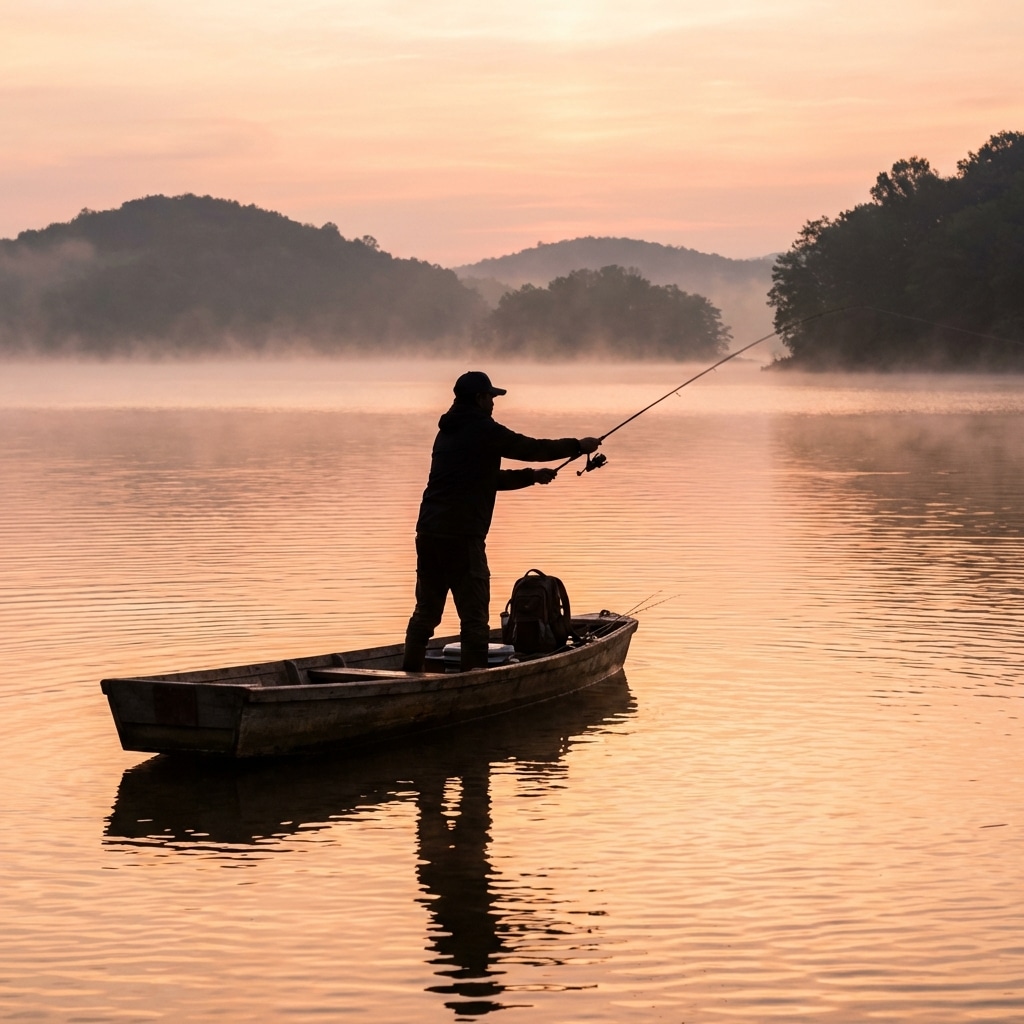
Many describe fly fishing as a moving meditation. The rhythmic motion of casting, combined with the serene backdrop of rivers, lakes, or coastlines, fosters a profound sense of peace and mindfulness. It’s the perfect antidote to the stresses of modern life, allowing you to unplug and reconnect.
A Test of Skill: Strategy, Finesse & Connection
Unlike conventional fishing, fly fishing demands a deeper understanding of fish behavior, entomology, and hydrodynamics. It’s a constant puzzle, requiring you to adapt your approach, technique, and fly selection to ever-changing conditions. Mastering these elements provides an unparalleled sense of accomplishment.
Sustainable & Ethical Angling
Fly fishing often promotes a catch-and-release ethos, minimizing harm to fish populations and preserving aquatic ecosystems. The focus shifts from merely harvesting fish to the challenge of the chase and the joy of interaction, aligning with modern conservation efforts.
Essential Fly Fishing Gear for Beginners (and Beyond)
Equipping yourself with the right gear is crucial for a successful and enjoyable fly fishing experience. Here’s a detailed breakdown of the essentials you’ll need to get started.
The Foundation: Rod, Reel & Line
Fly Rod: Your primary tool, fly rods are categorized by length and weight. A 9-foot, 5-weight rod is highly recommended for beginners, offering versatile performance for various freshwater species and conditions. Rod action (fast, medium, slow) also influences casting feel.
Fly Reel: More than just a line holder, the fly reel balances your rod and houses the drag system, crucial for fighting larger fish. Choose a reel that matches your rod’s weight for optimal balance and performance.
Fly Line: This is what gives your cast its weight. For beginners, a weight-forward (WF) floating line is ideal, making casting easier and suitable for most surface and subsurface presentations. Sinking and sink-tip lines are used for deeper water.
The Bait: Understanding Flies
Flies are meticulously crafted to imitate fish food sources. Your fly box should be diverse and tailored to your local fishing environment.
Dry Flies: Designed to float on the water’s surface, mimicking adult insects.
Nymphs: Imitate aquatic insect larvae and pupae found beneath the surface.
Streamers: Larger flies that mimic minnows, leeches, or other baitfish.
The Essentials: Leaders, Tippets & Waders
Leaders & Tippets: Tapered leaders seamlessly connect your fly line to the tippet, which in turn attaches to your fly. Tippets are fine, clear lines that provide stealth and allow for quick fly changes.
Waders & Boots: Essential for fishing in deeper waters or colder conditions, waders keep you dry and comfortable. Choose breathable waders for warmer weather and neoprene for cold, often paired with wading boots for grip and ankle support.
Beyond the Basics: Must-Have Accessories
Fly Box: A portable, organized storage solution for your precious flies.
Forceps/Hemostats: Crucial for safely removing hooks from fish.
Nippers: Small, sharp tools for cleanly cutting line and tippet.
Floatant: A paste or liquid applied to dry flies to keep them buoyant.
Fishing Vest/Pack: Keeps all your essential tools and flies within easy reach.
Landing Net: Helps safely land and release fish with minimal stress.
Mastering Core Fly Fishing Techniques
True mastery in fly fishing comes from practice and understanding fundamental techniques. Here’s where skill truly elevates your experience.
The Art of the Cast: Basic & Advanced Approaches
Casting is the rhythmic heart of fly fishing. The basic overhead cast involves a controlled backward stroke to unroll the line behind you, followed by a smooth forward stroke to propel the fly towards your target. Focus on smooth acceleration and a crisp stop to form tight loops.
Practice is paramount. Start in an open field, focusing on accuracy and distance. As you progress, you’ll learn advanced casts like roll casts, single-haul, and double-haul, which are vital for adapting to various fishing conditions and wind.
Once your fly hits the water, presentation is everything. Fish are highly sensitive to unnatural movement. The goal is a “dead drift” – where your fly moves at the exact same speed as the surrounding current, mimicking a natural, free-floating insect.
Avoid “drag,” which occurs when your line pulls the fly unnaturally across the current. Learning to mend your line (making small adjustments mid-drift) is crucial for achieving that perfect, natural presentation.
Reading the Water: Where Fish Hide & Feed
Understanding where fish live and feed is a game-changer. Look for structures like submerged rocks, fallen logs, and undercut banks, which provide shelter and ambush points. Observe changes in water current, such as seams where fast and slow water meet, as these are prime feeding lanes.
Pay attention to surface activity. What insects are hatching? Are fish rising to feed? These clues will guide your fly selection and presentation, dramatically increasing your chances of success.
Common Fly Fishing Mistakes & How to Avoid Them (Pro Tips)
Even seasoned anglers make mistakes. Recognizing and correcting these common pitfalls will accelerate your learning curve and improve your catch rate.
Overpowering the Cast: Finesse Over Force
Mistake: Trying to muscle the fly line with excessive force, leading to sloppy casts and tangled lines.
Solution: Remember, it’s the weight of the line, not the fly, that you’re casting. Focus on smooth acceleration and crisp stops with your wrist and forearm, letting the rod do the work.
Ignoring the Hatch: The Right Fly at the Right Time
Mistake: Using a random fly without considering what insects are naturally present in the water.
Solution: Practice “matching the hatch.” Observe what insects are flying around or floating on the water. If there’s no visible hatch, start with common nymph patterns that are always present.
Mistake: Rushing through spots, not observing the water for fish activity, or getting frustrated quickly.
Solution: Fly fishing demands patience. Take time to observe the water, look for rising fish, structure, and current breaks. Give each promising spot sufficient time and different fly presentations before moving on.
Neglecting Gear Maintenance
Mistake: Failing to clean and inspect your rod, reel, and line after each outing.
Solution: Rinse your gear with fresh water, especially after saltwater exposure. Check your line for cracks and your leader/tippet for abrasions. Proper maintenance extends the life of your equipment and prevents frustrating failures on the water.
Embrace the Journey: Your Fly Fishing Adventure Awaits
Fly fishing is a journey of continuous learning, filled with moments of challenge, tranquility, and exhilaration. Armed with this comprehensive guide, you’re now well-equipped to embark on your own fly fishing adventure. Remember, every cast is a lesson, every fish caught (or missed) is an experience, and every moment spent by the water nurtures your spirit.
So, grab your gear, head to the water, and immerse yourself in this timeless sport. Whether you seek the thrill of the catch or the peace of the outdoors, fly fishing promises an unforgettable connection to nature. Tight lines, and may your fly fishing journey be rich with discovery!