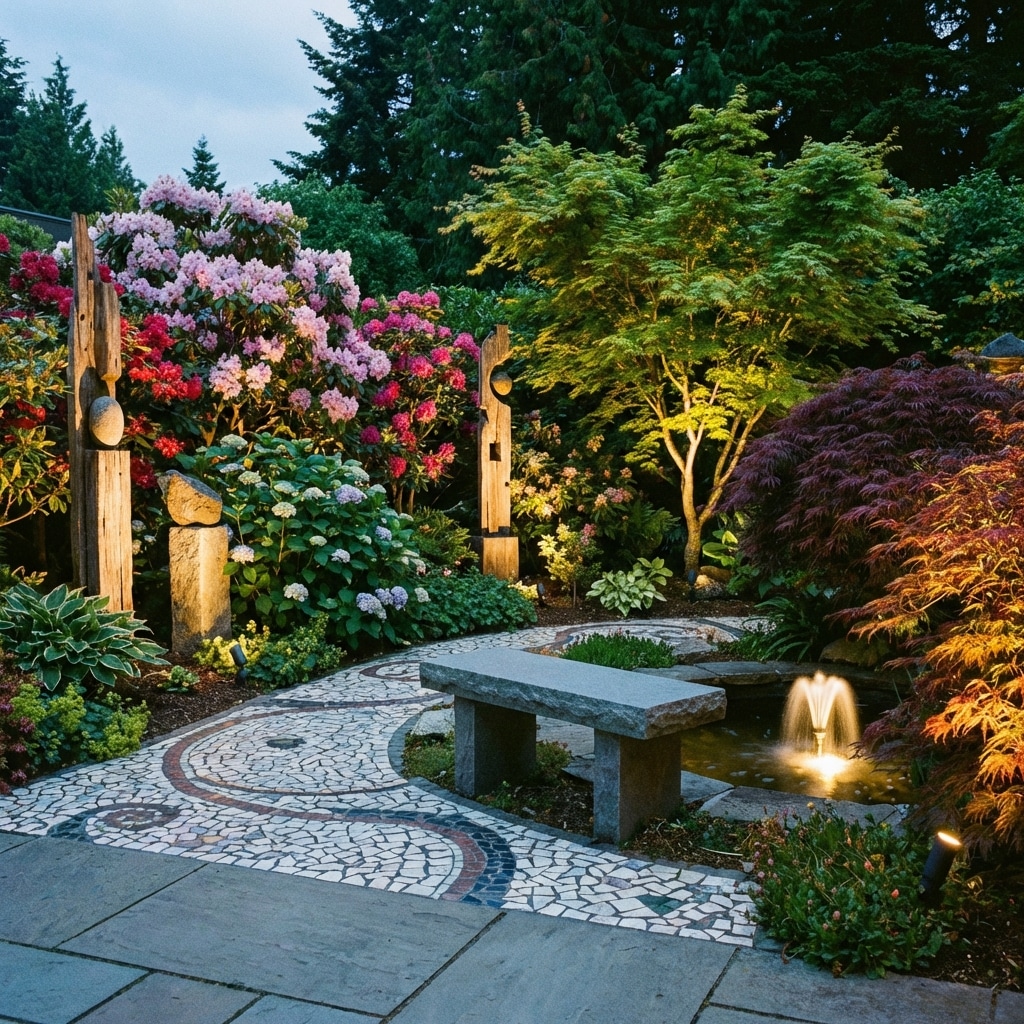
Dreaming of a lush, thriving garden in the heart of a savannah? Many gardeners believe the unique challenges of arid climates and limited water make it impossible. But what if we told you it’s not only possible but can be a remarkably enriching experience?
Savannah gardening offers a unique blend of hurdles and immense potential. With the right strategies, you can transform a seemingly harsh landscape into a vibrant, sustainable oasis. This guide will equip you with expert tips and proven techniques to ensure your savannah garden doesn’t just survive, but truly flourishes.
Understanding the Savannah Climate: Your Blueprint for Success
A savannah is defined by its distinct wet and dry seasons, a defining characteristic that shapes its ecosystem. Typically found in regions like sub-Saharan Africa, parts of Australia, and areas of South America, these landscapes feature a unique mix of grasslands and scattered trees. Mastering savannah gardening begins with deeply understanding these environmental nuances.
Seasonal Rhythms: Wet vs. Dry
The wet season, though often brief, delivers intense rainfall crucial for plant growth. Conversely, the prolonged dry season demands exceptional water management and a focus on drought-resistant plant species. Recognizing these predictable patterns is key to selecting appropriate plants and designing an effective irrigation strategy.
Unlocking Savannah Soil Secrets
Savannah soils are frequently sandy and low in essential nutrients. Enhancing your soil with organic matter is vital to improve its structure, water retention, and fertility. Implementing practices like composting and using natural fertilizers can significantly boost the soil’s capacity to support diverse plant life.
Thriving Plant Choices for Savannah Gardens
Selecting the right plants is paramount for successful savannah gardening. Your chosen species should be inherently resilient, highly drought-tolerant, and ideally, indigenous to arid regions. This approach minimizes maintenance and maximizes their chances of survival.
Embrace Native Resilience
Plants native to the savannah are naturally adapted to its challenging climate, requiring minimal intervention. Iconic examples include the African Baobab, various Acacia trees, and robust grasses like Bermuda and Buffalo grass. These indigenous species not only flourish in arid conditions but also play a crucial role in supporting local wildlife ecosystems.
Succulents & Cacti: Nature’s Water Batteries
Succulents and cacti are superb choices for savannah gardening due to their remarkable water-storing capabilities. Varieties such as Aloe Vera, Agave, and the Prickly Pear Cactus offer striking aesthetic appeal while demanding very little water. They bring unique textures and forms to your drought-tolerant landscape.
Vibrant Blooms for Arid Zones
If you crave a burst of color in your dry garden, consider resilient flowering plants that withstand dry spells. The stunning Bird of Paradise, vibrant Kangaroo Paw, and cheerful Marigolds are excellent options. These hardy flowers can bring life and beauty to your savannah garden without excessive water demands.
Masterful Water Management: Every Drop Counts
Efficient water use is not just important, it’s absolutely paramount in savannah gardening. Implementing smart irrigation techniques is key to conserving this precious resource while ensuring your plants receive optimal hydration. Strategic water management allows your garden to thrive even through the longest dry spells.
Precision with Drip Irrigation
Installing a drip irrigation system is a highly effective way to deliver water directly to the plant roots, significantly minimizing evaporation and wasteful runoff. These targeted systems are particularly beneficial during the dry season, ensuring maximum water efficiency. They deliver consistent moisture exactly where it’s needed most.
Harnessing Rainwater: A Sustainable Source
Collecting and storing rainwater provides a valuable, sustainable supplementary water source for your garden. Simple methods like using rain barrels or more advanced systems such as underground cisterns can dramatically enhance your water supply. This eco-friendly practice reduces reliance on municipal water sources and saves money.
The Power of Mulch: Retain and Protect
Applying a generous layer of mulch around your plants helps to retain essential soil moisture, effectively suppress weeds, and regulate soil temperature. Organic mulches, such as straw or wood chips, also decompose over time, enriching the soil with valuable nutrients. Mulching is a simple yet powerful technique for water conservation.
Improving soil quality is fundamental for the long-term vitality and success of your savannah garden. Nutrient-rich, well-structured soil promotes robust plant growth and significantly increases resilience against common pests and diseases. Healthy soil is the bedrock of a flourishing garden.
Composting: Gold for Your Garden
Creating a compost pile from kitchen scraps, yard waste, and other organic materials is an excellent way to enrich your garden soil naturally. Composting not only diverts waste from landfills but also dramatically enhances soil structure, fertility, and microbial activity. It’s a cornerstone of sustainable soil management.
The Benefits of Organic Fertilizers
Utilizing organic fertilizers like bone meal, blood meal, and fish emulsion provides a balanced supply of essential nutrients to your soil. These natural amendments release nutrients slowly over time, significantly reducing the risk of over-fertilization and promoting sustained plant health. They foster a healthier soil ecosystem for continuous growth.
Sustainable Savannah Gardening Practices
Adopting sustainable gardening practices is crucial for ensuring the longevity and ecological health of your savannah garden. These environmentally conscious methods not only benefit the planet but also reduce your overall maintenance efforts over time. Sustainable practices create a harmonious and self-sufficient garden.
Designing with Permaculture Principles
Permaculture offers a holistic design approach to gardening that prioritizes sustainability, self-sufficiency, and ecological harmony. Incorporating permaculture principles into your garden design can lead to a resilient ecosystem that thrives with minimal external intervention. Think perennial systems, water-harvesting earthworks, and diverse plant guilds.
Eco-Friendly Pest Control: Integrated Pest Management (IPM)
Implementing Integrated Pest Management (IPM) strategies allows you to effectively manage pests without resorting to harmful chemicals. This approach focuses on preventive measures, encouraging natural predators, companion planting, and using organic pesticides only when absolutely necessary. IPM fosters ecological balance within your garden.
Crop Rotation for Soil Health
If you’re growing edible plants, rotating crops can help prevent soil depletion and significantly reduce the risk of recurring pests and diseases. By changing planting locations for different plant families each season, you maintain soil health and optimize nutrient availability. This simple practice keeps your garden productive year after year.
Your Savannah Garden Awaits: Transform Your Landscape
Savannah gardening is a deeply rewarding venture that blends creativity, environmental stewardship, and practical horticultural skills. Whether your goal is to cultivate a resilient landscape, support local wildlife, or simply revel in the unique beauty of nature, this guide provides a comprehensive roadmap for achieving your gardening dreams in arid climates.
By understanding the specific characteristics of the savannah environment, making informed plant choices, optimizing water usage, enriching your soil, and embracing sustainable practices, you can create a thriving garden that elegantly withstands environmental challenges. Embrace the adventure of savannah gardening and watch your outdoor space transform into a flourishing oasis that reflects the rugged beauty of its surroundings.