Arrange your chosen plants according to their layers and compatibility. Plant densely to suppress weeds and create a closed canopy quickly, mimicking natural forest succession. Ensure proper spacing for future growth, especially for canopy trees, but allow for initial close planting in understory layers.
3. Efficient Water Management
Designing for efficient water use is paramount. Consider incorporating features like swales (shallow ditches on contour), rain gardens, or small ponds to capture and store rainwater. Mulching heavily around plants will significantly reduce evaporation and create a stable soil environment.
Nurturing Your Edible Ecosystem: Maintenance & Challenges
While touted as “low maintenance,” a forest garden still requires observation and occasional intervention, especially during its establishment phase.
Minimal Interventions, Maximum Observation
Once established, ongoing care involves regular mulching with organic materials to maintain soil fertility and moisture. Focus on observation: watch for signs of nutrient deficiencies, pest pressure, or plant stress. Rather than reacting with chemicals, seek natural solutions that support the ecosystem.
Managing Pests and Diseases Naturally
The biodiversity of a forest garden acts as its own pest control system. Beneficial insects and natural predators often keep pest populations in check. Should an outbreak occur, employ Integrated Pest Management (IPM) strategies: introduce beneficial insects, use organic repellents, or manually remove pests. Avoid broad-spectrum pesticides that harm the entire ecosystem.
Addressing Initial Setup Efforts
The primary “challenge” of forest gardening often lies in the initial setup. It can be labor-intensive and require a substantial investment of time, energy, and sometimes resources. However, view this as an investment in a resilient, productive, and truly sustainable system that will yield benefits for decades to come. Start small, learn as you go, and gradually expand your edible landscape.
Forest Gardening: A Blueprint for a Sustainable Future
Forest gardening is far more than just an agricultural practice; it’s a philosophy that encourages us to live harmoniously with nature, fostering self-reliance and ecological stewardship. As global populations grow and climate challenges intensify, sustainable and regenerative practices like forest gardening will play an increasingly crucial role in ensuring food security and ecological balance.
By creating your own food forest, you’re not just growing food; you’re cultivating a resilient, self-sufficient lifestyle, contributing to local biodiversity, and actively combating environmental degradation. It’s a powerful act of hope and a tangible step towards a more sustainable and abundant future.
So, why wait? Start small, observe, learn, and gradually expand your forest garden. The rewards, both tangible and intangible, are well worth the effort and will nourish you and the planet for years to come.
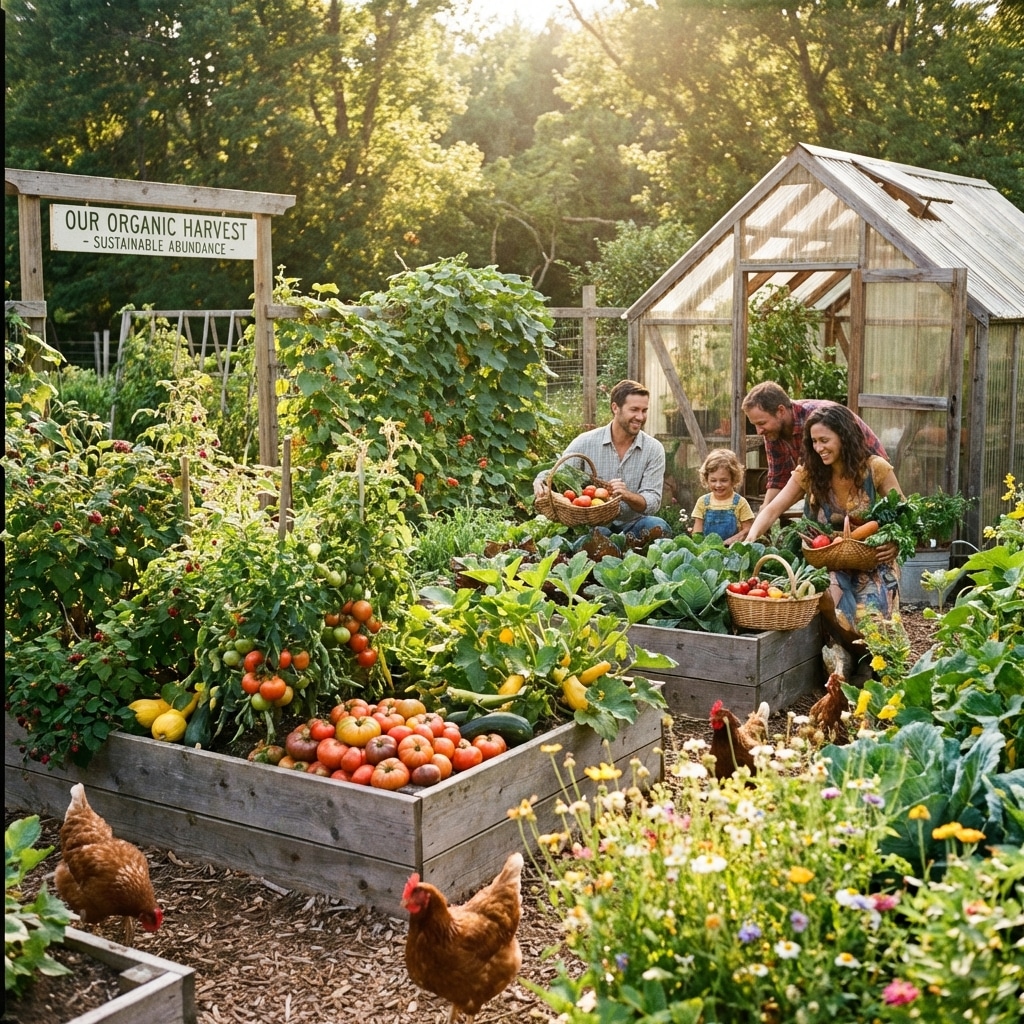
Imagine stepping into your backyard and plucking fresh fruits, herbs, and vegetables from a vibrant, thriving ecosystem – one that practically takes care of itself. Sounds like a dream, right? This isn’t just a fantasy; it’s the reality of forest gardening, a revolutionary yet ancient approach to cultivating food that mimics nature’s own design.
This innovative method, also known as a “food forest” or “agroforestry,” transforms conventional gardening into a resilient, self-sustaining system. It provides abundant produce, fosters biodiversity, and requires significantly less effort than traditional monoculture farming. If you’re seeking a sustainable, low-maintenance way to connect with nature and secure your food supply, welcome to the world of forest gardening.
What Exactly is Forest Gardening?
Forest gardening is a form of sustainable agriculture deeply rooted in indigenous practices and permaculture principles. It involves intentionally designing and cultivating an edible landscape that mirrors the structure and ecology of a natural forest. Instead of planting crops in rows, you create a diverse, multi-layered system where plants work together symbiotically.
Unlike conventional farming, which often relies on external inputs and intensive labor, a well-established food forest minimizes the need for human intervention. This approach leverages natural processes to build soil fertility, manage pests, and maintain productivity over decades, even centuries.
Why Embrace a Food Forest? The Core Benefits
Choosing to create a forest garden offers a multitude of advantages, impacting your local environment, your wallet, and your lifestyle. It’s a powerful statement for a more sustainable future.
Boosts Ecological Resilience & Biodiversity
Forest gardens are champions of biodiversity. By integrating a wide range of plant species—from towering trees to ground covers—they create complex habitats that attract beneficial insects, birds, and other wildlife. This ecological diversity naturally reduces pest problems and enhances pollination, creating a balanced ecosystem.
The dense canopy and rich understory help sequester carbon dioxide, making your forest garden a practical solution for combating climate change. Additionally, the continuous plant cover protects and enriches the soil, preventing erosion and building organic matter, which reduces the need for synthetic fertilizers.
While the initial setup might require some effort, the long-term economic benefits are substantial. Once established, a food forest provides a continuous, diverse supply of food with minimal input, drastically cutting down grocery bills. It’s a resilient system that can provide fresh produce, medicinal herbs, nuts, and berries year after year.
Beyond food, a thriving forest garden can offer multiple streams of income, from surplus produce sales to ecotourism opportunities. More importantly, it fosters self-sufficiency and food security, empowering you to connect deeply with where your food comes from.
Requires Surprisingly Low Maintenance
One of the most appealing aspects of forest gardening is its potential for low maintenance. Once established, the system largely manages itself. The diverse plant community naturally cycles nutrients, suppresses weeds, and controls pests, reducing the need for constant weeding, fertilizing, and spraying. You become more of a guide than a relentless laborer.
Designing Your Dream Forest Garden: A Step-by-Step Guide
Ready to transform your backyard? Thoughtful planning is key to creating a successful and productive food forest.
1. Site Assessment and Planning
Begin by observing your chosen site. Pay attention to sunlight patterns throughout the day and across seasons, water flow, and prevailing winds. Ideally, select an area with good sun exposure, access to water, and decent soil. A soil test will provide valuable information about pH and nutrient levels, guiding your plant choices and amendments.
2. Understanding the Seven Layers
Forest gardens are built on a multi-layered design, mimicking natural ecosystems. By stacking plants vertically, you maximize space and create diverse niches for various species.
Canopy Layer: The tallest trees (e.g., fruit or nut trees like oak, pecan, persimmon) that capture the most sunlight.
Understory Layer: Smaller trees (e.g., apple, plum, serviceberry) that thrive in partial shade under the canopy.
Shrub Layer: Bushes and shrubs (e.g., blueberries, currants, elderberries) providing fruits and habitat.
Herbaceous Layer: Non-woody perennial plants (e.g., comfrey, rhubarb, asparagus, culinary herbs) that die back in winter.
Groundcover Layer: Spreading plants (e.g., strawberries, creeping thyme, clover) that protect soil, suppress weeds, and retain moisture.
Vertical Layer: Climbing plants (e.g., grapes, kiwi, pole beans) that utilize vertical structures like trellises or larger trees for support.
3. Thoughtful Plant Selection & Diversity
Choosing the right plants is crucial for a resilient food forest. Prioritize perennial species that offer consistent yields with minimal annual replanting. Select plants adapted to your local climate and soil conditions, with native species often being the most resilient.
Aim for a diverse mix, including nitrogen-fixing plants (like legumes or specific shrubs) to naturally enrich the soil. Consider plant “guilds” – groups of plants that benefit each other (e.g., fruit tree, nitrogen fixer, dynamic accumulator, pest repellent herb). This synergy is the heart of a productive forest garden.
Getting Started: Practical Steps for Planting Your Food Forest
With your design in hand, it’s time to get your hands dirty and bring your vision to life.
1. Soil Preparation & Enrichment
Healthy soil is the foundation of a thriving forest garden. Start by enriching your soil with ample organic matter such as compost, aged manure, or leaf mold. This improves soil structure, water retention, and nutrient availability. Avoid tilling excessively, as it disrupts the soil’s delicate ecosystem.
2. Strategic Planting Techniques
Arrange your chosen plants according to their layers and compatibility. Plant densely to suppress weeds and create a closed canopy quickly, mimicking natural forest succession. Ensure proper spacing for future growth, especially for canopy trees, but allow for initial close planting in understory layers.
3. Efficient Water Management
Designing for efficient water use is paramount. Consider incorporating features like swales (shallow ditches on contour), rain gardens, or small ponds to capture and store rainwater. Mulching heavily around plants will significantly reduce evaporation and create a stable soil environment.
Nurturing Your Edible Ecosystem: Maintenance & Challenges
While touted as “low maintenance,” a forest garden still requires observation and occasional intervention, especially during its establishment phase.
Minimal Interventions, Maximum Observation
Once established, ongoing care involves regular mulching with organic materials to maintain soil fertility and moisture. Focus on observation: watch for signs of nutrient deficiencies, pest pressure, or plant stress. Rather than reacting with chemicals, seek natural solutions that support the ecosystem.
Managing Pests and Diseases Naturally
The biodiversity of a forest garden acts as its own pest control system. Beneficial insects and natural predators often keep pest populations in check. Should an outbreak occur, employ Integrated Pest Management (IPM) strategies: introduce beneficial insects, use organic repellents, or manually remove pests. Avoid broad-spectrum pesticides that harm the entire ecosystem.
Addressing Initial Setup Efforts
The primary “challenge” of forest gardening often lies in the initial setup. It can be labor-intensive and require a substantial investment of time, energy, and sometimes resources. However, view this as an investment in a resilient, productive, and truly sustainable system that will yield benefits for decades to come. Start small, learn as you go, and gradually expand your edible landscape.
Forest Gardening: A Blueprint for a Sustainable Future
Forest gardening is far more than just an agricultural practice; it’s a philosophy that encourages us to live harmoniously with nature, fostering self-reliance and ecological stewardship. As global populations grow and climate challenges intensify, sustainable and regenerative practices like forest gardening will play an increasingly crucial role in ensuring food security and ecological balance.
By creating your own food forest, you’re not just growing food; you’re cultivating a resilient, self-sufficient lifestyle, contributing to local biodiversity, and actively combating environmental degradation. It’s a powerful act of hope and a tangible step towards a more sustainable and abundant future.
So, why wait? Start small, observe, learn, and gradually expand your forest garden. The rewards, both tangible and intangible, are well worth the effort and will nourish you and the planet for years to come.