Dreaming of a garden bursting with vibrant colors, fresh flavors, and the undeniable satisfaction of growing your own? It all begins with a tiny package of potential: gardening seeds. These small wonders are the very heart of every thriving garden, connecting us to nature, providing healthy produce, and offering a rewarding escape. But transforming those humble seeds into robust plants requires more than just good intentions.
It demands knowledge, care, and the right approach. This comprehensive guide will demystify the world of gardening seeds, from understanding their types and choosing the perfect varieties for your space to mastering planting techniques and nurturing your seedlings to maturity. Get ready to unlock the secret to a bountiful garden and experience the profound magic of growth.
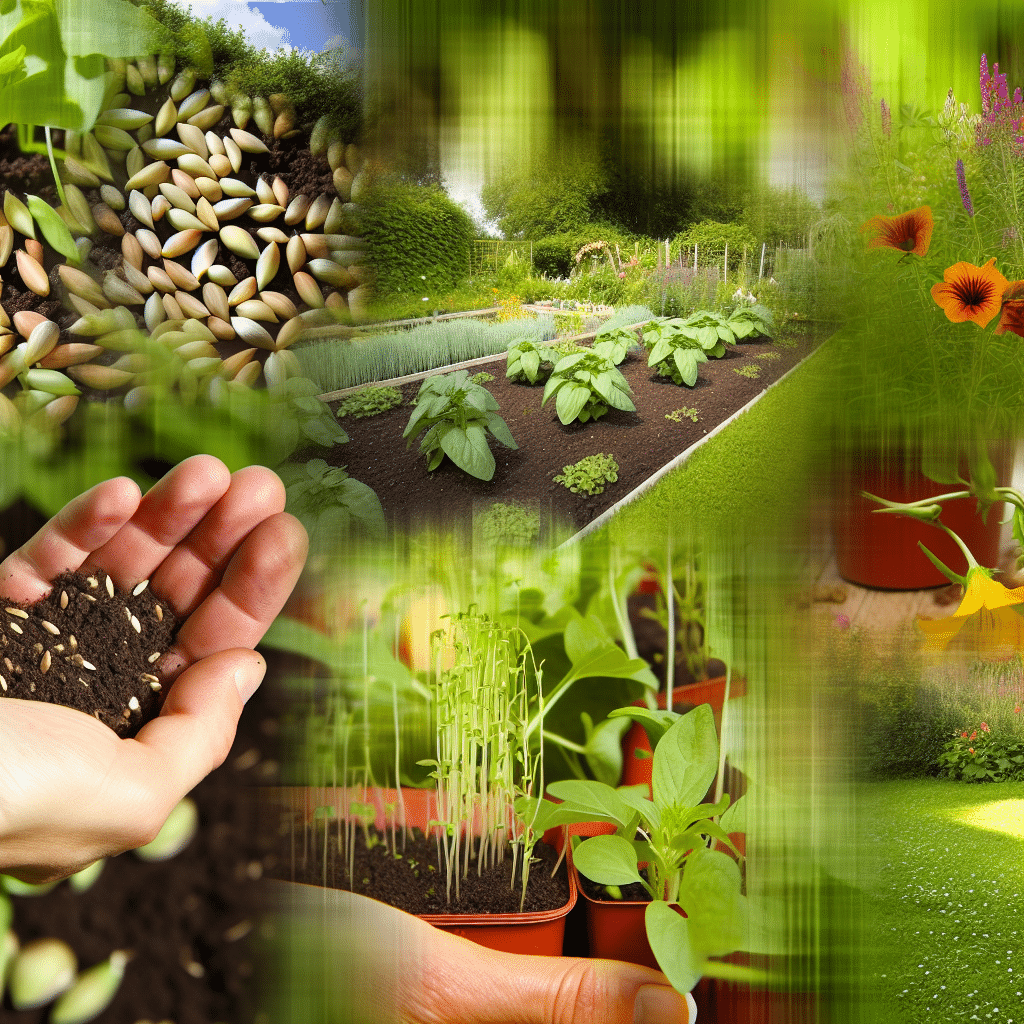
What Exactly Are Gardening Seeds?
At its core, a gardening seed is a miniature, self-contained plant factory. Encased in a protective outer layer, it holds a dormant embryo, a food supply (endosperm), and all the genetic blueprint needed to unfurl into a full-fledged plant. Think of it as nature’s ultimate starter kit, waiting for the right conditions to awaken.
Understanding this biological powerhouse is the first step toward successful gardening. The incredible potential packed into such a small form factor makes seeds not just a planting material, but a symbol of life and renewal in your garden.
Exploring the Different Types of Gardening Seeds
The world of plant seeds offers incredible diversity, each type suited for different gardening philosophies and goals. Knowing the distinctions will empower you to make informed choices for your garden.
- Heirloom Seeds: These are open-pollinated varieties that have been passed down through generations, often for 50 years or more. Valued for their exceptional flavor, unique characteristics, and genetic stability, heirloom seeds allow gardeners to save seeds from their harvest and grow true-to-type plants year after year.
- Hybrid Seeds (F1): Created by cross-pollinating two distinct parent plants, hybrid seeds often boast “hybrid vigor,” leading to improved disease resistance, higher yields, and uniformity. While fantastic performers, hybrid seeds typically do not produce true-to-type plants if you save their seeds, meaning you’ll need to purchase new ones each season.
- Organic Seeds: Certified organic seeds are produced from plants grown without synthetic pesticides, fertilizers, or GMOs, adhering to strict organic standards. Choosing organic seeds is a great step if you’re aiming for a chemical-free garden and supporting sustainable agricultural practices.
- Treated vs. Untreated Seeds: Many conventional seeds are “treated” with fungicides or insecticides to protect them during germination. Untreated seeds, conversely, have no chemical coatings, making them a preferred choice for organic gardeners or those who want to avoid chemicals altogether. Always check the seed packet for this important distinction.
How to Choose the Right Gardening Seeds for Your Thriving Garden
Selecting the perfect seeds is like laying the foundation for a strong house. It dictates the health, productivity, and enjoyment you’ll derive from your garden. Consider these vital factors before making your selections.
1. Understand Your Climate and Growing Zone
Plants are highly sensitive to their environment. Research your USDA Plant Hardiness Zone (or local equivalent) and understand your region’s average last and first frost dates. This information is crucial for selecting seeds that can thrive within your specific temperature ranges and growing season.
Look for varieties that are well-suited for your local climate, whether it’s long, hot summers or short, cool growing periods. This foresight prevents disappointment and ensures your plants have enough time to mature.
2. Know Your Soil Type and pH
Soil is the anchor of your garden, providing nutrients and support. Perform a soil test to determine its composition (sandy, loamy, clay) and pH level. Different plants have distinct preferences; some love acidic soil, while others prefer alkaline conditions.
Armed with this knowledge, you can either select seeds known to do well in your existing soil or amend your soil to meet the needs of your desired plants. Healthy soil leads to healthy roots and vigorous growth.
3. Define Your Gardening Goals and Purpose
What do you envision for your garden? Are you aiming for a vibrant display of flowers, a bountiful harvest of organic vegetables, or perhaps a culinary herb patch? Your purpose will directly influence the types of seeds you purchase.
Consider your available space, time commitment, and desired yield. If you have limited space, look for compact varieties or plants suitable for container gardening. If your goal is fresh produce, prioritize high-yielding or disease-resistant vegetable seeds.
4. Prioritize Seed Quality and Reputable Sources
The success of your garden hinges significantly on the quality of your seeds. Always purchase from reputable seed companies that provide clear information on germination rates, viability dates, and sourcing.
Avoid old or poorly stored seeds, as their germination rates drastically decline over time. A good quality seed packet will be sealed, clearly labeled, and provide essential planting instructions, giving your garden the best possible start.
Mastering the Art of Planting Gardening Seeds
Starting plants from seed is an incredibly rewarding journey, offering control over your plant’s early life and often saving money. Follow these steps to give your seeds the best possible start.
Step 1: Essential Preparation for Seed Starting
- Gather Your Supplies: You’ll need high-quality seeds, clean planting trays or individual pots, a sterile seed-starting mix (not garden soil), a watering can with a fine rose, and a reliable light source (either a sunny windowsill or dedicated grow lights).
- Pre-Soak Seeds (If Needed): Some seeds, especially those with hard outer shells (like beans, peas, or certain flowers), benefit from soaking in warm water for 12-24 hours. This softens the seed coat, signaling it’s time to germinate.
- Prepare Your Seed Starting Mix: Lightly moisten your seed-starting mix before filling your containers. It should be damp like a wrung-out sponge, not soaking wet.
Step 2: Precision Planting Techniques
- Fill Containers: Gently fill your planting trays or pots with the prepared seed-starting mix, leaving about a half-inch of space from the rim. Lightly tamp down the soil to remove large air pockets.
- Sow Your Seeds: Read your seed packet for specific depth recommendations. A general rule is to plant seeds 2-3 times as deep as their diameter. Larger seeds go deeper, tiny seeds barely get covered. Space them according to packet instructions to avoid overcrowding.
- Cover and Water: Lightly cover the seeds with more seed-starting mix. Gently water the soil using a fine mist sprayer or by bottom-watering (placing trays in a shallow pan of water until moisture wicks up). The goal is consistently moist, not soggy, soil.
- Label Everything: This crucial step prevents confusion! Use plant markers to clearly label each tray or pot with the plant name and planting date.
Step 3: Nurturing Germination and Preparing for Transplant
- Provide Warmth: Most seeds germinate best at temperatures between 65-75°F (18-24°C). A heat mat can significantly improve germination rates, especially for warmth-loving varieties.
- Ensure Consistent Moisture: Do not let the seed-starting mix dry out during germination. Use a humidity dome or plastic wrap to maintain moisture levels until sprouts appear. Remove it once seedlings emerge.
- Bright Light is Key: As soon as seeds sprout, they need ample light – 12-16 hours daily. Place them under grow lights or in your brightest south-facing window. Insufficient light leads to weak, “leggy” seedlings.
- Ready for Transplant: Once your seedlings develop their first set of “true leaves” (the leaves that appear after the initial cotyledons), they’re typically strong enough to be transplanted into larger pots or directly into the garden after hardening off.
Nurturing Your Seedlings: Essential Care for Robust Growth
Once your seeds have successfully germinated, the delicate seedling stage requires focused attention. Proper care now ensures they develop into strong, resilient plants ready for the garden.
Precise Watering Techniques
Seedlings are particularly vulnerable to overwatering and underwatering. Keep the soil consistently moist, but never waterlogged. Allow the top layer of soil to just barely dry out before watering again.
Bottom-watering is often recommended: place trays in a shallow dish of water for 15-20 minutes, letting the soil absorb moisture from below. This encourages stronger root development and reduces the risk of fungal issues like damping-off.
Optimal Lighting for Healthy Seedlings
Light is food for seedlings. They need intense, consistent light for 12-16 hours daily to prevent them from becoming “leggy” – tall, thin, and weak due to stretching for light. If using grow lights, position them just a few inches above the seedling tops, adjusting as they grow.
Rotate your seedlings regularly if they are near a window to ensure even light exposure on all sides. Supplemental grow lights are highly recommended for sturdy seedling development, especially in darker months.
Gentle Feeding with Diluted Nutrients
Most seed-starting mixes contain very few nutrients. Once your seedlings have developed two sets of true leaves, they’re ready for their first meal. Start with a diluted liquid organic fertilizer (half-strength or even quarter-strength) every 1-2 weeks.
Over-fertilizing can burn delicate roots, so always err on the side of caution. Look for balanced fertilizers or those formulated specifically for seedlings.
The Critical Hardening-Off Process
Before moving your pampered indoor seedlings directly into the harsh outdoor environment, they need to be “hardened off.” This gradual acclimatization strengthens them against sun, wind, and fluctuating temperatures.
Over a period of 7-14 days, expose your seedlings to outdoor conditions for increasing lengths of time. Start with an hour in a sheltered, shady spot, gradually increasing duration and exposure to sun and wind until they can stay outdoors overnight.
Common Challenges with Gardening Seeds and Expert Solutions
Even experienced gardeners encounter setbacks. Knowing how to identify and address common seed and seedling challenges will save you stress and improve your success rate.
1. Poor Germination or No Sprouting
If your seeds aren’t sprouting, consider a few factors. The seeds might be old or non-viable; always check the expiration date. Incorrect planting depth, inconsistent moisture (too dry or too wet), or insufficient warmth are also common culprits.
Solution: Use fresh, high-quality seeds from reputable sources. Ensure consistent warmth and moisture, and always follow specific planting depth instructions. Some seeds require scarification or stratification (cold treatment) to break dormancy.
2. Damping-Off Disease
This heartbreaking fungal disease causes healthy seedlings to suddenly collapse at the soil line, looking as if they’ve been “nipped.” It’s often caused by overly wet, cool soil, poor air circulation, or contaminated seed-starting mix.
Solution: Use sterile seed-starting mix and clean containers. Ensure good air circulation by using a small fan. Avoid overwatering and bottom-water when possible. If it strikes, remove affected seedlings immediately to prevent spread.
3. Leggy, Stretched Seedlings
When seedlings are thin, tall, and weak, reaching desperately for light, they are “leggy.” This is a clear sign of insufficient light intensity or duration, as plants are trying to maximize their exposure to a weak light source.
Solution: Provide stronger, more direct light. If using grow lights, lower them closer to the seedlings. Increase light duration to 14-16 hours per day. A gentle breeze from a fan can also help strengthen stems.
4. Pest Infestations on Young Plants
Tiny insects like fungus gnats, aphids, or spider mites can quickly decimate vulnerable seedlings. Fungus gnats often indicate overly moist soil, while aphids and mites can be introduced from other plants.
Solution: Maintain good air circulation and avoid overwatering to deter fungus gnats. For other pests, gently wipe them off with a damp cloth or cotton swab dipped in rubbing alcohol. Neem oil spray (diluted) is an effective organic treatment for many common pests, but use with caution on very young seedlings.
Embrace the Journey: The Abundant Rewards of Gardening Seeds
From a minuscule speck of potential to a vibrant, fruit-bearing plant or a fragrant bloom, the journey of gardening seeds is one of nature’s most profound miracles. It teaches patience, resilience, and offers unparalleled satisfaction.
By understanding the nuances of seed types, mastering proper planting techniques, providing diligent care, and learning to navigate common challenges, you’re not just growing plants – you’re cultivating a connection to the earth and a source of joy. So grab your packets, prepare your soil, and embark on your own seed-starting adventure. Happy gardening, and may your harvest be bountiful!