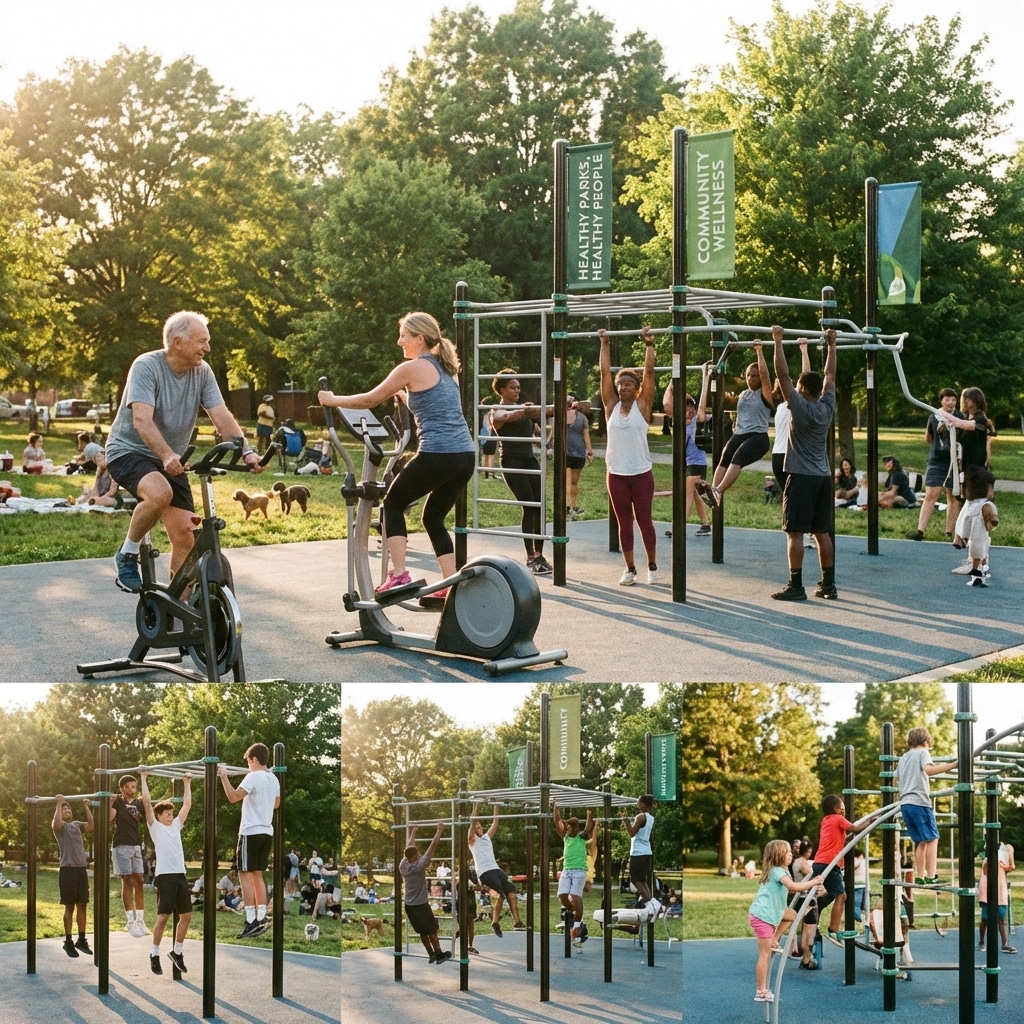
Thinking about bringing a vibrant outdoor fitness trail to your community, school, or private development? It’s an incredible investment in health and well-being, but the big question often looming is: “How much does an outdoor fitness trail really cost?” Understanding the financial commitment upfront is crucial for effective planning and successful project delivery.
From the initial design sketches to the final installation of cutting-edge equipment, numerous factors influence the overall expenditure. Whether you envision a simple bodyweight circuit or a sprawling multi-station fitness park, we’ll break down every potential cost so you can budget with confidence and turn your vision into a reality.
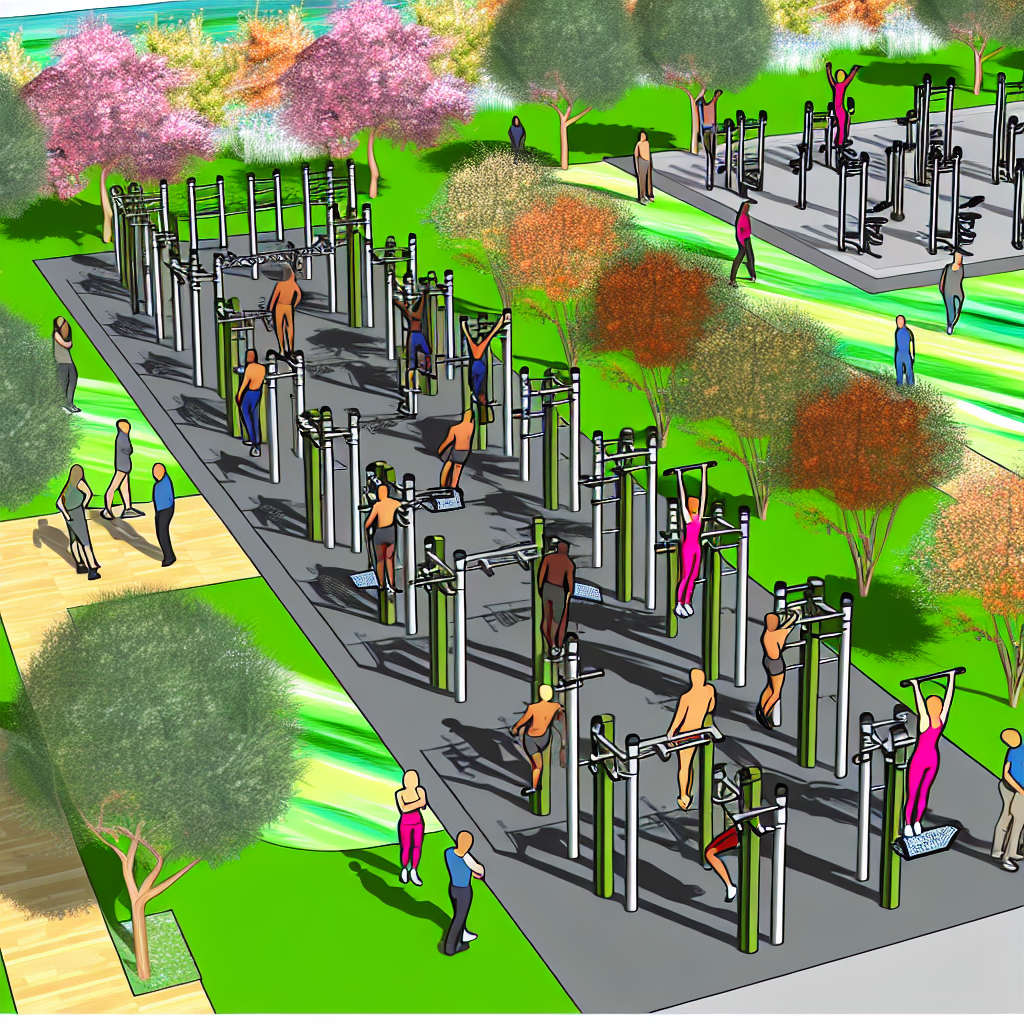
Unpacking the Investment: Key Cost Categories for Your Outdoor Fitness Trail
Building a successful outdoor fitness trail involves more than just buying equipment. It’s a multi-phase project, each with its own set of expenses. Let’s delve into the core cost components you’ll need to consider.
1. Planning, Design, and Professional Consultation
The foundation of any great outdoor fitness trail is meticulous planning. This initial phase involves conceptualizing the layout, selecting equipment, and ensuring it meets safety standards and user needs. You might engage landscape architects, civil engineers, or specialized fitness consultants.
Costs in this stage cover site assessments, feasibility studies, master planning, and detailed blueprints. Depending on the project’s complexity and the professionals hired, expect to allocate between $2,000 and $15,000 for these essential services.
2. Site Preparation & Infrastructure
Before any equipment can be installed, your chosen site needs to be ready. This often involves significant groundwork, especially if the terrain is uneven or overgrown. Key tasks include clearing vegetation, grading and leveling the ground, and establishing proper drainage systems to prevent water accumulation.
Depending on the site’s current condition and the size of your planned fitness park, site preparation can range from $3,000 to $25,000. This crucial step ensures a safe, stable, and long-lasting foundation for your trail.
3. Outdoor Fitness Equipment Selection
This is often the most visible and variable cost component. The type, quantity, and quality of the outdoor gym equipment you choose will significantly impact your budget. Options range from simple bodyweight stations to advanced multi-user systems.
Basic individual stations like pull-up bars, parallel bars, or sit-up benches might cost $800 to $2,500 each. More robust, multi-functional units or specialized adaptive equipment designed for all abilities can range from $3,000 to $12,000 per piece, reflecting their complexity, materials, and durability. Prioritizing commercial-grade, weather-resistant equipment is essential for longevity.
4. Professional Installation Services
Proper installation is paramount for user safety, equipment longevity, and maintaining manufacturer warranties. Attempting DIY installation can lead to safety hazards and void guarantees. Certified professionals understand the necessary anchoring, spacing, and safety surfacing requirements.
Installation fees typically fall between $4,000 and $25,000, depending on the number of stations, their complexity, and site access. This investment ensures your outdoor fitness trail meets all safety standards and performs optimally.
5. Landscaping, Surfacing & Aesthetic Enhancements
Beyond the equipment, the surrounding environment greatly contributes to the user experience. This category includes safety surfacing (like rubber tiles, engineered wood fiber, or poured-in-place rubber), pathways, benches for resting, waste receptacles, and even shade structures.
Aesthetic elements such as tree planting, shrubbery, and decorative lighting can transform a functional space into an inviting community hub. These enhancements can range from $5,000 for basic surfacing and amenities to upwards of $20,000+ for extensive landscaping, premium surfacing, and comprehensive site furniture.
Beyond Installation: Hidden & Ongoing Costs to Factor In
While the immediate construction costs are significant, savvy planners also account for expenses that aren’t always front-of-mind but are critical for long-term success and compliance.
Permitting & Regulatory Compliance
Depending on your location, obtaining necessary permits and ensuring compliance with local zoning laws, building codes, and accessibility standards (like ADA) can incur costs. These fees cover applications, inspections, and potentially professional consultations to navigate regulations.
Budget anywhere from $500 to $7,500 for permitting and compliance, though complex projects in regulated areas may be higher. Always check local requirements early in your planning process.
Signage, Wayfinding & Instructional Graphics
Clear, durable signage is vital for guiding users and demonstrating proper equipment use. Informational panels with exercise diagrams, QR codes for digital instructions, and directional signs enhance the user experience and promote safety.
Expect to budget between $750 and $3,000 for high-quality, weather-resistant signage that withstands the elements and remains legible for years.
Ongoing Maintenance & Upkeep
An outdoor fitness trail is a long-term asset, and like any valuable asset, it requires ongoing care. Regular maintenance ensures safety, extends equipment life, and keeps the area appealing. This includes inspections, cleaning, minor repairs, landscaping upkeep, and safety surfacing replenishment.
Annual maintenance costs can range from $1,500 to $7,000, depending on the trail’s size, usage, and local environmental factors. Proactive maintenance prevents costly major repairs down the line.
What’s the Total Price Tag? Estimating Your Outdoor Fitness Trail Budget
So, when you tally up all these components, what’s the typical overall cost for an outdoor fitness trail? The truth is, there’s no one-size-fits-all answer, but we can provide realistic ranges based on project scope and features.
- Basic Outdoor Fitness Trail (Small, Few Stations): For a simple trail with 3-5 basic bodyweight stations, minimal site prep, and standard surfacing, you can expect costs to fall between $25,000 and $60,000. This is ideal for smaller parks or community areas.
- Mid-Range Fitness Park (Moderate Size, Variety of Equipment): A more comprehensive trail featuring 6-10 diverse stations, moderate landscaping, and enhanced safety surfacing typically costs between $60,000 and $120,000. This offers a good balance of features and accessibility.
- Premium/Extensive Fitness Destination (Large, Advanced Systems): For large-scale projects with 10+ advanced multi-station units, extensive landscaping, premium accessibility features, and custom design elements, the budget can easily exceed $120,000, potentially reaching $250,000 or more. These are often signature community assets.
These figures are estimates and can fluctuate based on geographic location, material choices, labor rates, and unexpected site challenges. Always obtain detailed quotes from reputable outdoor fitness equipment suppliers and installers.
Ready to Build? Making Your Outdoor Fitness Trail a Reality
Investing in an outdoor fitness trail is a commitment to fostering physical activity, mental well-being, and community engagement. While the costs are significant, the long-term benefits for public health and quality of life are immeasurable. By understanding each cost component, from initial design to ongoing maintenance, you’re empowered to plan a financially sound and successful project.
Don’t let the numbers overwhelm you. Strategic planning, exploring grant opportunities, and partnering with experienced providers can help you navigate the process efficiently. Begin with a clear vision, get professional guidance, and prepare to create an enduring community asset that inspires healthier living for years to come.