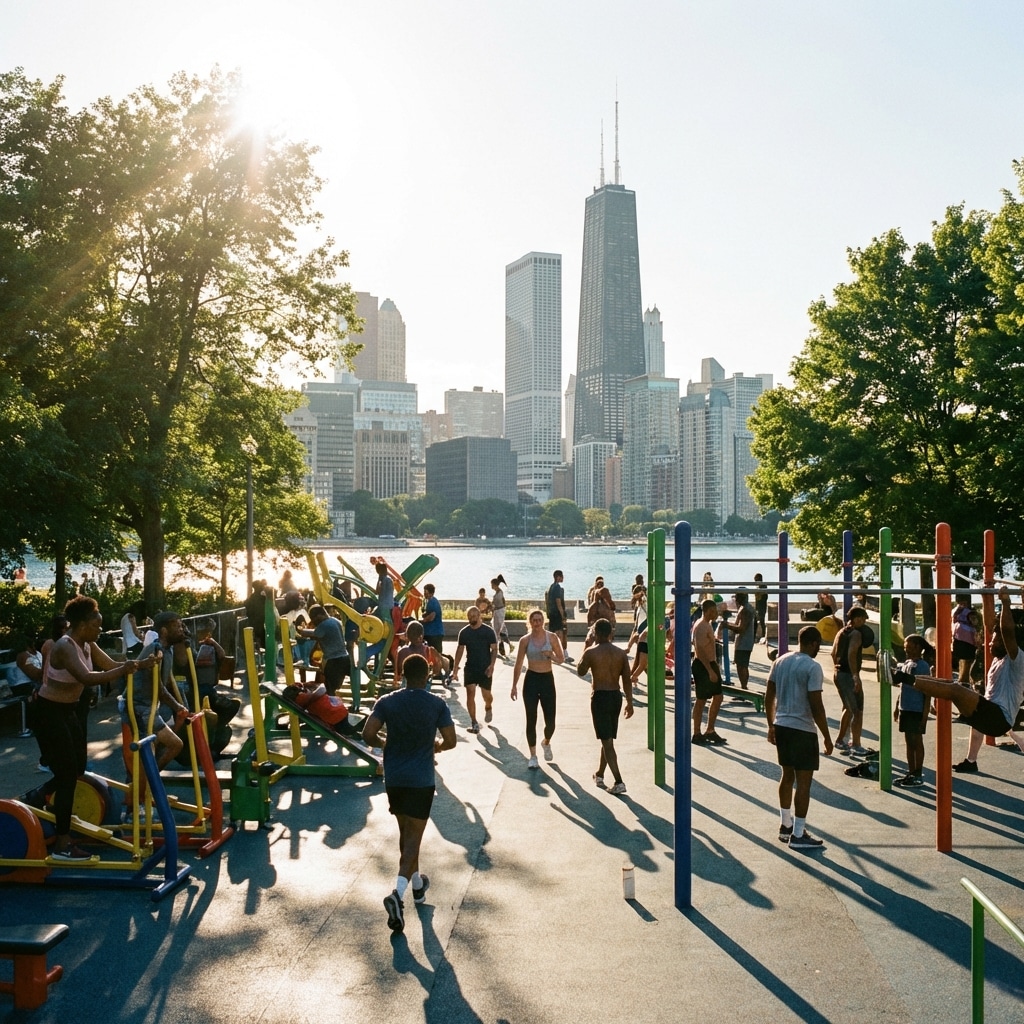
Imagine stepping out your back door, feeling the fresh air on your skin, and immediately diving into an invigorating workout. No crowded gyms, no waiting for equipment, just you, your fitness goals, and the serenity of nature. If this sounds like a dream, you’re not alone. The desire for a personalized, accessible, and inspiring fitness space has led countless people to embrace the ultimate home gym upgrade: building an outdoor gym.
From dedicated strength zones to versatile calisthenics parks, an outdoor gym offers unparalleled freedom and motivation. Ready to transform your backyard into your personal fitness sanctuary? This comprehensive guide will walk you through every step of creating an outdoor gym that perfectly suits your needs and elevates your fitness journey.

Why an Outdoor Gym is Your Next Best Investment
Beyond the obvious convenience, an outdoor gym offers a unique blend of physical and mental benefits that traditional indoor setups simply can’t match. It’s more than just a place to exercise; it’s an experience.
- Boosted Motivation: Fresh air, natural light, and a change of scenery can significantly reduce workout monotony and keep your energy levels high. Say goodbye to stale gym air!
- Enhanced Mental Well-being: Exercising outdoors is proven to reduce stress, improve mood, and increase feelings of vitality. It’s a powerful combination of physical activity and nature therapy.
- Unrestricted Movement: Forget ceiling height limitations or confined spaces. An outdoor gym gives you ample room for dynamic movements, plyometrics, and expansive stretches.
- Year-Round Accessibility: Your gym is always open, 24/7. No commute, no membership fees, and no waiting for your favorite machine. Work out on your schedule, rain or shine (with proper planning!).
- Vitamin D Boost: Natural sunlight exposure during workouts helps your body produce Vitamin D, essential for bone health, immune function, and mood regulation.
- Increased Durability Focus: Equipment designed for outdoor use is built to withstand the elements, ensuring a long-lasting, robust fitness solution for your home.
Phase 1: Planning Your Backyard Fitness Sanctuary
A successful outdoor gym starts with meticulous planning. This phase is crucial for ensuring your space is functional, safe, and truly inspiring.
Define Your Fitness Vision and Needs
Before buying a single piece of equipment, consider what kind of workouts you’ll be doing. Are you focused on strength training, bodyweight exercises, yoga, CrossFit, or a mix of everything? Your primary fitness goals will dictate the type of equipment and space you need.
Think about both your current routine and future aspirations. Will you need a dedicated squat rack, a versatile pull-up bar, space for battle ropes, or a quiet zone for meditation and stretching?
Choosing the Ideal Location
The perfect spot for your outdoor gym should be flat, level, and free from obstructions. Consider factors like:
- Sun Exposure & Shade: Plan for adequate shade during peak workout times to avoid overheating. Trees, pergolas, or shade sails can provide relief.
- Privacy: Position your gym in an area where you feel comfortable and less exposed to neighbors. Fences, hedges, or strategic landscaping can enhance privacy.
- Proximity to Home: Being close to a water source, power outlet, or even a bathroom can greatly improve convenience.
- Drainage: Ensure the area has good drainage to prevent water pooling, which can damage equipment and create slippery surfaces.
Site Preparation: Laying the Foundation
Once you’ve selected your spot, proper site preparation is key. This could involve:
- Ground Leveling: Uneven ground is a safety hazard. You might need to add or remove soil, gravel, or sand to create a perfectly flat surface.
- Hazard Removal: Clear away any rocks, roots, or debris that could interfere with your workouts or cause injury.
- Flooring Options: A dedicated surface protects both you and your equipment. Popular choices include:
- Rubber Mats/Tiles: Excellent shock absorption, durability, and easy to clean. Ideal for weightlifting and impact exercises.
- Artificial Turf: Offers a soft, natural feel, great for bodyweight exercises, yoga, and sprints.
- Gravel/Wood Chips: More budget-friendly, provides some cushioning, but requires more maintenance.
- Concrete Pad: A highly durable and stable base, perfect for anchoring heavy equipment, but needs additional cushioning on top.
- Establishing Boundaries: Define your gym area with edging, landscaping, or even a low fence to create a sense of dedicated space.
Phase 2: Equipping Your Outdoor Gym for Success
With your space ready, it’s time to select and install the right equipment. Durability and functionality should be your guiding principles.
Choosing Durable & Versatile Equipment
Outdoor equipment needs to withstand UV rays, rain, humidity, and temperature fluctuations. Look for materials like:
- Powder-Coated Steel: Offers excellent rust and corrosion resistance.
- Galvanized Metal: Coated with a protective zinc layer for enhanced durability.
- Marine-Grade Stainless Steel: The ultimate in weather resistance, ideal for coastal areas or harsh conditions.
- UV-Stabilized Plastics: For elements like swing seats or some accessory handles.
Prioritize versatile pieces that allow for a wide range of exercises. Consider:
- Multi-functional Power Rack or Rig: Essential for squats, pull-ups, dips, and more.
- Kettlebells & Dumbbells: Look for cast iron with protective coatings.
- Resistance Bands: Versatile for warm-ups, strength training, and stretching.
- Plyometric Box: For jumps and step-ups.
- Battle Ropes: Great for cardio and full-body conditioning.
- Slam Ball: Durable and effective for power exercises.
- Adjustable Bench: For presses and core work.
Safe & Secure Installation
Proper installation is paramount for safety. Always follow the manufacturer’s instructions precisely. For larger, heavier equipment like pull-up bars or power racks, deep anchoring into concrete is often required to ensure stability and prevent tipping.
Ensure there’s adequate clearance around each piece of equipment to allow for full range of motion without hitting obstacles. Regularly check all bolts, screws, and anchors for tightness.
Maintaining Your Outdoor Gym Investment
Outdoor equipment requires consistent upkeep to prolong its lifespan. Implement a regular maintenance schedule:
- Routine Cleaning: Wipe down equipment after each use to remove sweat and dirt. Periodically wash with mild soap and water to remove grime.
- Rust Prevention: For metal components, apply rust-inhibiting sprays or touch up paint as needed. Inspect for any chips or scratches that could expose raw metal.
- Component Checks: Regularly inspect ropes, bands, grips, and moving parts for wear and tear. Replace anything that shows signs of degradation immediately.
- Winterization (if applicable): In colder climates, consider covering equipment or moving smaller, more sensitive items indoors during winter months.
Phase 3: Creating the Perfect Outdoor Gym Atmosphere
Beyond functionality, the right atmosphere can transform your outdoor gym from a mere workout space into an inviting oasis. Think about elements that enhance comfort, motivation, and enjoyment.
- Inspiring Lighting: For evening workouts, install durable outdoor lighting. String lights, floodlights, or solar-powered path lights can create a safe and aesthetically pleasing environment.
- Sound System: All-weather outdoor speakers can bring your favorite workout tunes or podcasts to your gym, boosting energy and focus.
- Shade & Shelter: Consider adding a pergola, sail shade, or even a small gazebo. This protects you from harsh sun and light rain, extending your usable workout hours.
- Storage Solutions: Outdoor storage bins or weatherproof cabinets keep smaller equipment organized and protected from the elements.
- Hydration Station: A mini-fridge for cold drinks or a dedicated water dispenser keeps you hydrated without needing to run inside.
- Aesthetic Touches: Incorporate natural elements like potted plants, trellises with climbing vines, or even a small rock garden to blend your gym seamlessly into your landscape.
- Safety First: Keep a basic first-aid kit nearby and ensure good visibility if you work out alone at night.
Conclusion: Your Backyard Transformation Awaits
Building an outdoor gym is more than just a home improvement project; it’s an investment in your health, happiness, and overall well-being. It’s about reclaiming your fitness journey on your terms, surrounded by the invigorating power of nature.
By carefully planning your space, selecting durable equipment, and creating an atmosphere that motivates and inspires, you’ll craft a personal fitness sanctuary that you’ll look forward to using every single day. So, stop dreaming and start doing. Take the first step towards a healthier, happier you – right in your own backyard!