Camouflage and Blinds: Staying Undetected
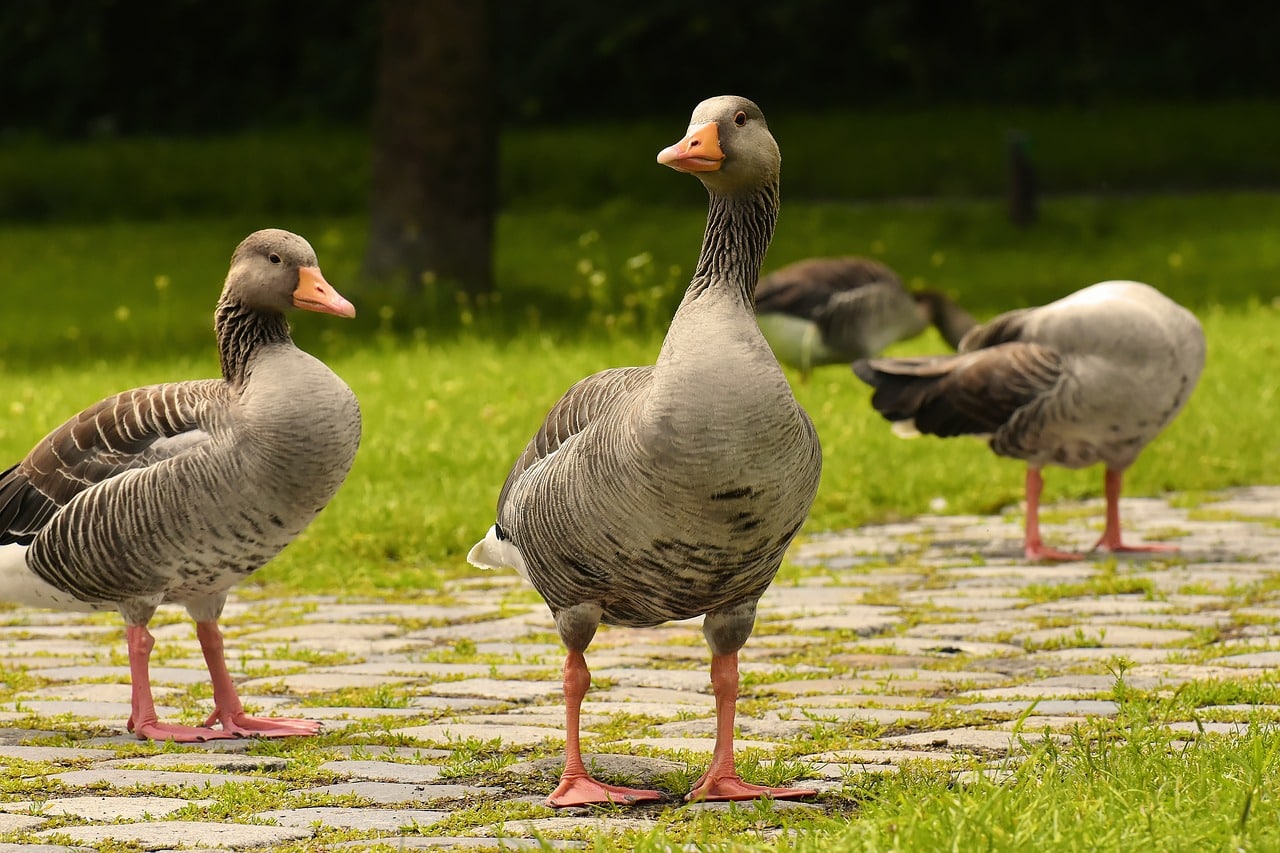
Geese possess incredible eyesight. Effective concealment is non-negotiable. Camouflage clothing that blends with your specific hunting environment (e.g., stubble fields, marshes, snow) is essential. Additionally, a well-built or strategically placed hunting blind will keep you hidden from their keen eyes. Ensure your blind material and setup minimize movement and shadows.
Ethical Hunting: Respecting Wildlife and the Environment
Beyond legal compliance, ethical hunting is about showing respect for the animals, the environment, and fellow hunters. It ensures the sport remains honorable and sustainable. Practicing ethical hunting not only enhances your personal experience but also upholds the integrity of the hunting community.
Prioritize Clean, Humane Shots
The core of ethical hunting is to ensure a swift, humane kill. This means taking only shots that are well within your effective range and that you are confident will result in a clean kill. Avoid “sky busting” or taking extremely long shots that are more likely to wound than to kill. Aim for vital areas, typically the head or neck, for the quickest dispatch.
Practice Good Sportsmanship and Respect
Treat other hunters and landowners with respect. Avoid crowding public hunting areas and always ask for permission before accessing private property. Maintain a positive attitude, even when hunting is slow, and offer assistance to fellow hunters if needed. Good sportsmanship reflects positively on the entire hunting community.
Leave No Trace: Respect the Environment
As responsible stewards of the land, hunters should always practice “Leave No Trace” principles. This means packing out everything you pack in, including spent shell casings, food wrappers, and any other trash. Avoid disturbing natural habitats unnecessarily and be mindful of your impact on wetlands and agricultural fields.
Retrieve Your Game Diligently
After a successful shot, your responsibility doesn’t end. Make every effort to quickly and efficiently retrieve any downed birds. A well-trained retrieving dog can be invaluable for this task, especially in dense cover or water. Wounded birds should be dispatched humanely as soon as possible.
Planning Your Hunt: Tips for a Successful Season
Strategic planning significantly boosts your chances of a rewarding goose hunt. Combining legal knowledge with smart field tactics will give you an edge.
Scouting Your Hunting Grounds
Pre-season scouting is arguably the most critical component of a successful goose hunt. Spend time observing goose flight patterns, feeding areas, and resting spots. Look for fields where geese are actively feeding, as these are prime locations for setting up decoys and blinds. Understanding their routines allows you to intercept them effectively.
Weather Awareness and Its Impact
Weather plays a huge role in goose behavior. Overcast, windy days often encourage geese to fly lower and more predictably. Cold fronts can trigger major migrations, bringing new birds into your area. Pay attention to forecasts and adjust your hunting strategy accordingly, especially regarding wind direction for decoy placement.
Safety First: Beyond Legal Requirements
Always prioritize safety. This includes knowing your firearm, always pointing the muzzle in a safe direction, and being absolutely sure of your target and what lies beyond it. Inform someone of your hunting location and expected return time. Dress appropriately for the weather, carry a first-aid kit, and understand basic hypothermia or heatstroke prevention.
Conclusion: Hunt Wild Geese Legally and Responsibly for a Rewarding Experience
Hunting wild geese offers an unparalleled connection to nature and an exhilarating challenge. By committing to legal and ethical practices, you ensure this cherished tradition endures. Remember to thoroughly research regulations, obtain all necessary permits, and select appropriate gear.
Above all, embrace the spirit of ethical hunting by prioritizing humane shots, showing respect for wildlife and fellow outdoors enthusiasts, and leaving no trace. A well-planned, responsible, and compliant approach guarantees not just a successful goose hunt, but a truly rewarding and sustainable experience for years to come. Prepare wisely, hunt ethically, and enjoy the great outdoors!
There’s an undeniable thrill that comes with the pursuit of wild geese – the crisp morning air, the strategic setup, and the incredible sight of birds decoying in. But beyond the excitement, a successful and truly rewarding goose hunt hinges on one crucial factor: legality and responsibility. Ignoring the rules not only risks severe penalties but also undermines conservation efforts that keep this sport alive for future generations.
Whether you’re a seasoned waterfowl enthusiast or just starting out, understanding the intricate web of laws, ethical practices, and effective techniques is paramount. This comprehensive guide will equip you with the knowledge to hunt wild geese legally and responsibly, ensuring every trip into the field is both successful and compliant. Let’s dive into how to hunt wild geese legally and ethically, making the most of your waterfowl hunting adventures.
Master the Laws and Regulations for Legal Goose Hunting
The foundation of any responsible goose hunting trip begins with a thorough understanding of the law. Waterfowl hunting regulations are complex, varying significantly between states, counties, and even specific hunting zones. Your first step should always be diligent research.
Essential Permits and Licenses for Waterfowl Hunters
Before you even think about heading afield, you’ll need to secure the proper documentation. This typically includes a state hunting license and a federal migratory bird hunting and conservation stamp (often called a “Duck Stamp”). Many states also require an additional state waterfowl stamp or endorsement.
These permits are vital for funding conservation efforts and proving your legal right to hunt. Always carry them with you while hunting; failure to produce them upon request can lead to fines, confiscation of equipment, or even the revocation of your hunting privileges. Purchase your permits well in advance and verify their validity period.
Understanding Bag Limits and Hunting Seasons
Bag limits and hunting seasons are crucial tools for managing wild goose populations. These restrictions ensure sustainable harvesting and prevent overhunting, which could harm the overall health of the species. It is your responsibility to know and strictly adhere to these limits.
Seasons dictate the specific dates when hunting is permitted, while bag limits define the maximum number of geese you can harvest per day and often the maximum possession limit. These can change annually, so always consult your state’s wildlife agency website or current hunting regulations digest before each season. Ignorance of the law is not an excuse for violations.
Respecting Zone-Specific Rules and Special Regulations
Beyond general state laws, many areas have specific zones with unique regulations. These might include different season dates, bag limits, or even restrictions on hunting methods (e.g., lead shot prohibition, specific shooting hours). Public hunting areas or wildlife management areas often have their own set of rules.
Always verify the regulations for the *exact location* where you plan to hunt. Local conservation officers or state wildlife agencies are excellent resources for clarifying any uncertainties. Being informed is your best defense against accidental legal infractions.
Gear Up for Success: Essential Goose Hunting Equipment
Once your legal ducks (or geese) are in a row, it’s time to assemble your equipment. The right gear not only enhances your chances of success but also contributes to a safer and more ethical hunt. Here’s a breakdown of the essentials for effective goose hunting.
Shotgun & Ammunition Selection for Geese
A 12-gauge or 20-gauge shotgun is typically the preferred choice for goose hunting due to its versatility and stopping power. Focus on reliability and a comfortable fit. For ammunition, federal law mandates the use of non-toxic shot (such as steel, bismuth, or tungsten-alloy) for hunting waterfowl. This prevents lead contamination in aquatic ecosystems.
Choose shot sizes appropriate for geese, generally larger sizes like BB, BBB, or T-shot, to ensure clean, humane kills at common hunting ranges. Practice shooting before the season to pattern your shotgun and understand its effective range with your chosen load.
Decoy Strategies for Effective Luring
Goose decoys are indispensable for attracting birds within shooting range. A realistic spread can mimic a resting or feeding flock, convincing wary geese to commit. Consider a mix of full-body, shell, and flat decoys to create a dynamic and believable scene. Placement is key; position decoys to create a landing zone into the wind, as geese land against the wind.
The Art of Goose Calling
Learning to use a goose call effectively is a game-changer. Calls mimic the vocalizations of geese, drawing them closer and making them more comfortable with your spread. Practice various calls – clucks, honks, moans, and double clucks – to communicate authentically with passing flocks. A well-executed calling sequence can often be the deciding factor in bringing birds into range.
Camouflage and Blinds: Staying Undetected
Geese possess incredible eyesight. Effective concealment is non-negotiable. Camouflage clothing that blends with your specific hunting environment (e.g., stubble fields, marshes, snow) is essential. Additionally, a well-built or strategically placed hunting blind will keep you hidden from their keen eyes. Ensure your blind material and setup minimize movement and shadows.
Ethical Hunting: Respecting Wildlife and the Environment
Beyond legal compliance, ethical hunting is about showing respect for the animals, the environment, and fellow hunters. It ensures the sport remains honorable and sustainable. Practicing ethical hunting not only enhances your personal experience but also upholds the integrity of the hunting community.
Prioritize Clean, Humane Shots
The core of ethical hunting is to ensure a swift, humane kill. This means taking only shots that are well within your effective range and that you are confident will result in a clean kill. Avoid “sky busting” or taking extremely long shots that are more likely to wound than to kill. Aim for vital areas, typically the head or neck, for the quickest dispatch.
Practice Good Sportsmanship and Respect
Treat other hunters and landowners with respect. Avoid crowding public hunting areas and always ask for permission before accessing private property. Maintain a positive attitude, even when hunting is slow, and offer assistance to fellow hunters if needed. Good sportsmanship reflects positively on the entire hunting community.
Leave No Trace: Respect the Environment
As responsible stewards of the land, hunters should always practice “Leave No Trace” principles. This means packing out everything you pack in, including spent shell casings, food wrappers, and any other trash. Avoid disturbing natural habitats unnecessarily and be mindful of your impact on wetlands and agricultural fields.
Retrieve Your Game Diligently
After a successful shot, your responsibility doesn’t end. Make every effort to quickly and efficiently retrieve any downed birds. A well-trained retrieving dog can be invaluable for this task, especially in dense cover or water. Wounded birds should be dispatched humanely as soon as possible.
Planning Your Hunt: Tips for a Successful Season
Strategic planning significantly boosts your chances of a rewarding goose hunt. Combining legal knowledge with smart field tactics will give you an edge.
Scouting Your Hunting Grounds
Pre-season scouting is arguably the most critical component of a successful goose hunt. Spend time observing goose flight patterns, feeding areas, and resting spots. Look for fields where geese are actively feeding, as these are prime locations for setting up decoys and blinds. Understanding their routines allows you to intercept them effectively.
Weather Awareness and Its Impact
Weather plays a huge role in goose behavior. Overcast, windy days often encourage geese to fly lower and more predictably. Cold fronts can trigger major migrations, bringing new birds into your area. Pay attention to forecasts and adjust your hunting strategy accordingly, especially regarding wind direction for decoy placement.
Safety First: Beyond Legal Requirements
Always prioritize safety. This includes knowing your firearm, always pointing the muzzle in a safe direction, and being absolutely sure of your target and what lies beyond it. Inform someone of your hunting location and expected return time. Dress appropriately for the weather, carry a first-aid kit, and understand basic hypothermia or heatstroke prevention.
Conclusion: Hunt Wild Geese Legally and Responsibly for a Rewarding Experience
Hunting wild geese offers an unparalleled connection to nature and an exhilarating challenge. By committing to legal and ethical practices, you ensure this cherished tradition endures. Remember to thoroughly research regulations, obtain all necessary permits, and select appropriate gear.
Above all, embrace the spirit of ethical hunting by prioritizing humane shots, showing respect for wildlife and fellow outdoors enthusiasts, and leaving no trace. A well-planned, responsible, and compliant approach guarantees not just a successful goose hunt, but a truly rewarding and sustainable experience for years to come. Prepare wisely, hunt ethically, and enjoy the great outdoors!