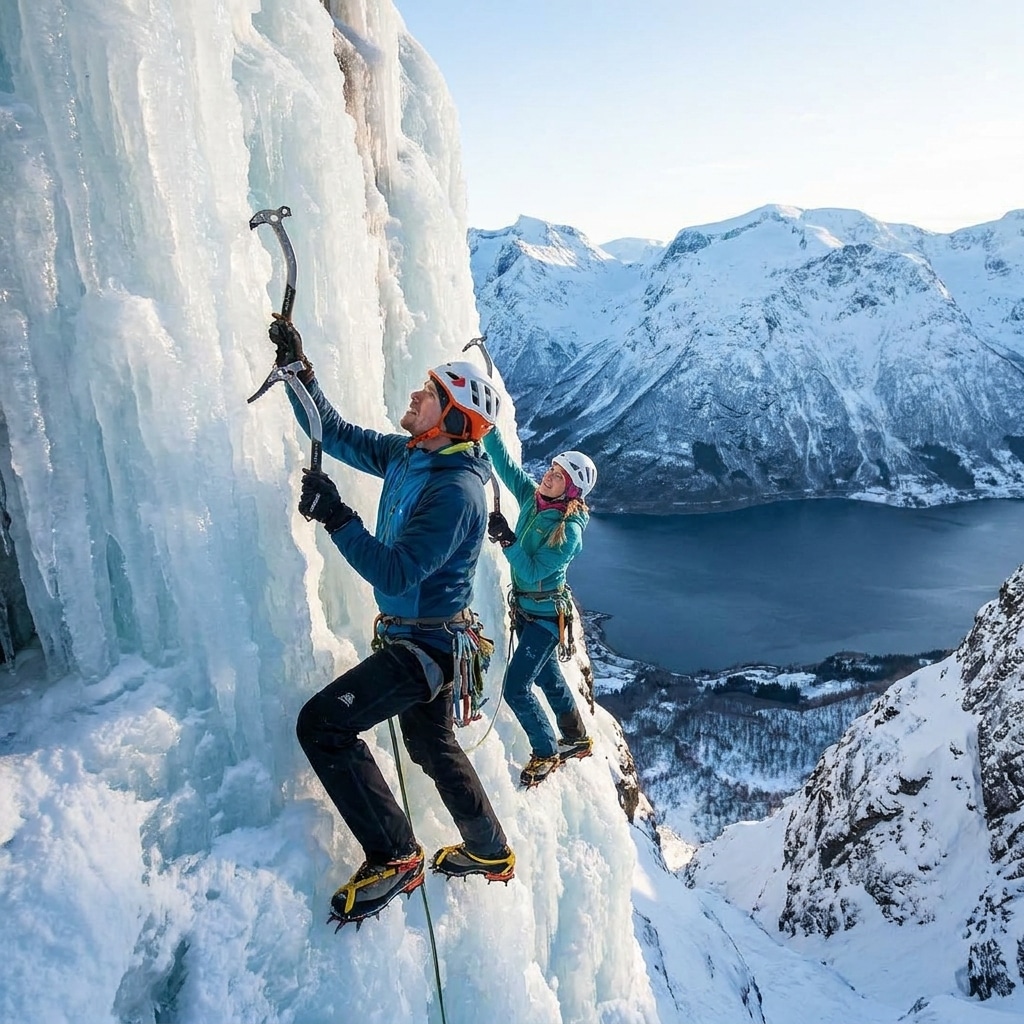
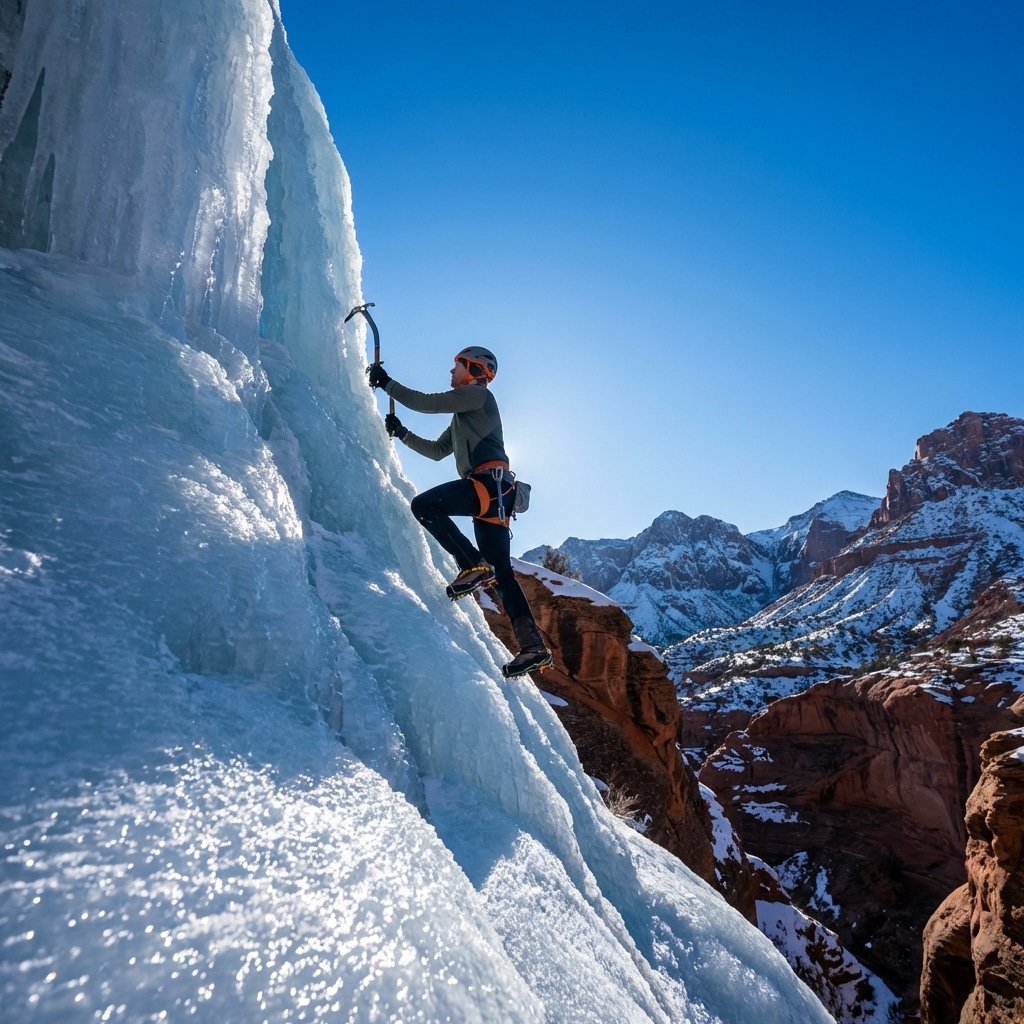
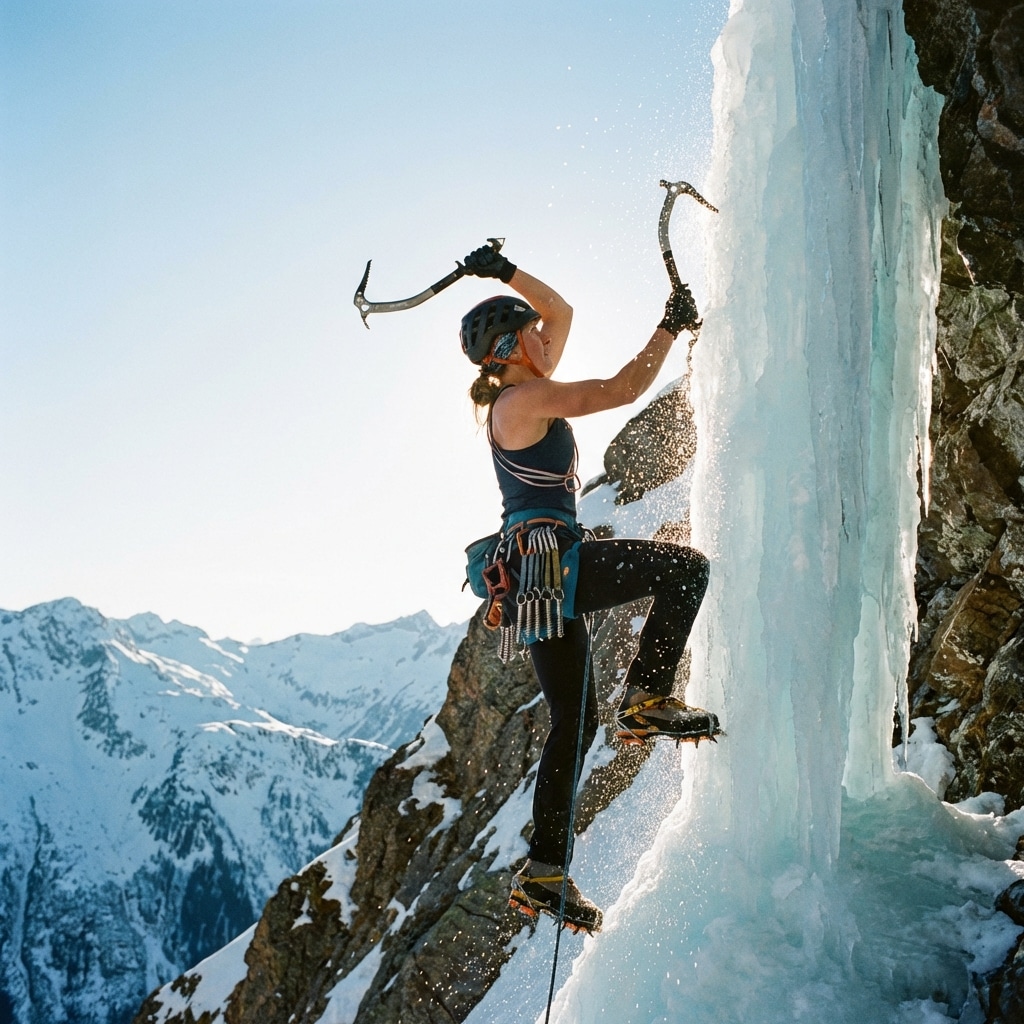
Scaling frozen waterfalls and traversing icy peaks is an exhilarating challenge that pushes climbers to their limits. This adrenaline-packed sport demands unwavering focus, expert skill, and, crucially, the right gear. Among your essential equipment, your ice climbing backpack isn’t just a carrier; it’s a lifeline.
It meticulously organizes your life-saving tools, nutrition, and personal items, making it indispensable for any high-alpine adventure. But with so many options, how do you choose a pack that truly performs when conditions are anything but forgiving? Let’s explore the critical role of these specialized packs and what to look for to ensure your next ascent is safe and efficient.
Why Your Ice Climbing Backpack is Non-Negotiable
When you’re hundreds of feet up on an exposed ice face, every piece of gear must earn its place. Your ice climbing backpack is designed from the ground up to support the unique demands of vertical ice, unlike any standard hiking pack. It directly contributes to your safety, efficiency, and comfort.
Engineered for Extremes: Design & Functionality
Ice climbing backpacks feature a streamlined, minimalist design to prevent snagging on ice or rock. They boast specialized attachments like external ice axe loops, crampon pouches, and rope straps that keep critical tools accessible yet secure. This intelligent layout ensures you can grab what you need quickly, minimizing exposure and effort.
Built to Last: Durability & Materials
These packs are constructed from incredibly robust and often water-resistant fabrics, such as high-denier nylon or Dyneema. They are designed to withstand constant abrasion from sharp ice tools, rugged rock, and harsh weather. Reinforced stitching and heavy-duty zippers are standard, guaranteeing your pack endures the brutal conditions of the alpine environment.
Key Features: What Makes a Great Ice Climbing Backpack?
Choosing the right pack involves more than just aesthetics; it’s about understanding the synergy between design and performance. Here’s a comprehensive checklist to guide your selection process.
Capacity for Every Climb: Volume Considerations
The ideal volume depends entirely on your trip’s duration. For single-day ascents, a 20-35 liter pack typically suffices for essentials like extra layers, food, water, and tools. Multi-day expeditions, however, will require 45 liters or more to accommodate bivouac gear, additional food, and a more extensive rack.
Always consider how much gear you realistically need to carry versus the weight you’re willing to bear. An overpacked or underpacked bag can compromise your efficiency and safety on the ice.
Lightweight Agility & All-Day Comfort
Ice climbing is physically demanding, so your pack shouldn’t add unnecessary strain. Look for lightweight construction paired with a comfortable suspension system. Padded shoulder straps, an ergonomic hip belt, and a breathable back panel are crucial for even weight distribution.
Adjustable straps and a removable framesheet allow you to customize the fit, ensuring the pack moves with you, not against you. This prevents chafing and maintains your balance during technical maneuvers.
Instant Access: Accessibility & Organization
Fumbling for gear in frigid temperatures is not an option. A great pack offers quick and intuitive access to its contents. Features like top-loading main compartments, zippered side access, or even a full front panel zipper can save valuable time and energy.
Multiple internal and external pockets, mesh dividers, and gear loops help organize your equipment. Keeping your belay device, first-aid kit, and snacks readily available is key to a smooth climb.
Specialized Adaptability: Essential Attachments
Ice Axe & Tool Carry: Secure, easy-to-use loops and sleeves for your ice axes and technical tools are paramount. They should keep tools snug against the pack, preventing snagging.
Crampon Storage: An external, reinforced, and often expandable pocket keeps sharp crampons separate from your other gear, protecting both your pack and its contents.
Rope Carry: Integrated or external straps securely hold your rope without impeding access to the main compartment.
Helmet Holder: A dedicated, external mesh or strap system keeps your helmet safely stowed when not in use.
Hydration System Compatibility: An internal sleeve and port for a hydration reservoir are essential for staying hydrated without stopping.
Minimalist Design: Removable components like lid, hip belt padding, or framesheet allow you to strip down the pack for lighter, faster ascents.
Top Picks for 2025: Leading Ice Climbing Backpacks
The market offers several outstanding options tailored for ice and alpine climbing. Here are a few reliable choices known for their performance and durability.
Black Diamond Speed Series (e.g., Speed 30/40)
Known for its robust construction and streamlined design, the Black Diamond Speed series is a favorite among ice climbers. It balances durability with a lightweight feel, featuring intuitive ice tool attachments and a removable hip belt for minimalist pushes. Its clean profile minimizes snag points, making it ideal for technical routes.
Osprey Mutant Series (e.g., Mutant 38/52)
The Osprey Mutant packs are versatile workhorses, perfect for both single-day and multi-day expeditions. They boast thoughtful features like a dual ToolLock™ ice tool attachment system, a helmet carry, and an integrated rope strap. Osprey’s commitment to comfort shines through its excellent suspension system, even under heavy loads.
Arc’teryx Alpha FL 45
For those prioritizing speed and minimalist efficiency, the Arc’teryx Alpha FL 45 (Fast and Light) is an exceptional choice. Crafted from extremely weather-resistant and durable materials, it’s designed to shed weight without sacrificing essential features. Its roll-top closure provides adaptable volume and superior weather protection, making it a top pick for committing alpine routes.
Choosing Your Perfect Pack: A Quick Guide
Before making your final decision, consider your specific climbing style, the types of routes you frequent, and the typical duration of your trips. Think about what features are non-negotiable for your safety and comfort. Don’t hesitate to try on different packs with some weight in them to assess the fit and feel.
Investing in a high-quality ice climbing backpack is investing in your climbing success and, more importantly, your safety.
Conclusion
An ice climbing backpack is far more than just a piece of luggage; it’s an integral part of your climbing system. Its specialized design, rugged durability, and thoughtful features are meticulously crafted to meet the extreme demands of frozen landscapes. The right pack enhances your efficiency, keeps your critical gear protected, and ultimately contributes to a safer, more enjoyable ascent.
As you prepare for your next vertical ice adventure, remember to choose a backpack that not only carries your essentials but truly elevates your climbing experience. Climb smart, climb safe!