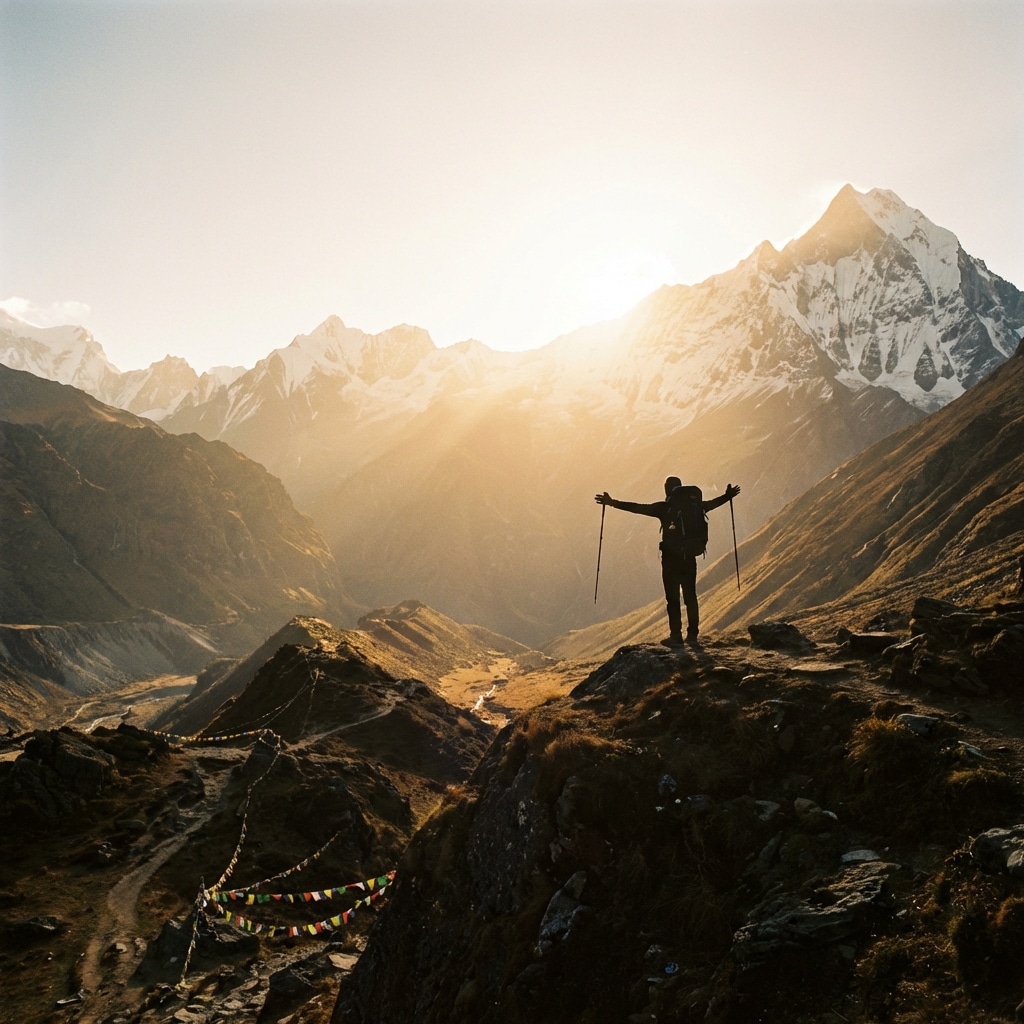
Imagine standing at the base of a towering peak, the crisp mountain air biting at your skin, the vast wilderness stretching before you. Mountain climbing is an unparalleled adventure, a test of will, strength, and resilience. But before you take that first step towards the summit, one critical element dictates not just your comfort, but your very survival: your mountain climbing outfit. This isn’t just about looking the part; it’s about equipping yourself with a strategic system designed to conquer the harshest environments.
From brutal winds and freezing temperatures to unpredictable snowfalls and relentless sun, the mountains throw everything at you. A well-chosen outfit is your first line of defense, a meticulously assembled collection of technical clothing and gear that performs under pressure. Neglect any detail, and you risk hypothermia, frostbite, or even a critical failure that could jeopardize your entire climb.
Why Your Mountain Climbing Outfit Isn’t Just Clothing—It’s Survival Gear
You might wonder if such meticulous planning for your climbing gear is truly necessary. The answer is a resounding yes. Your mountain climbing outfit isn’t merely about personal preference; it’s a dynamic system engineered to optimize your safety, performance, and overall experience on the mountain.
Unyielding Safety: Proper insulation and protection are your strongest allies against the life-threatening risks of hypothermia and frostbite. Specialized gear like helmets and sturdy boots actively prevent injuries.
Peak Performance: Lightweight, breathable, and well-fitting technical clothing reduces energy expenditure. This allows you to conserve strength, maintain focus, and climb more efficiently, making even the most challenging ascents feel more manageable.
Essential Comfort: Battling discomfort can quickly drain your mental and physical reserves. The right mountain gear minimizes distractions from wetness, cold, or chafing, letting you concentrate fully on the climb and the breathtaking environment around you.
The Foundation: Mastering the Layering System for Mountain Climbers
The cornerstone of any effective mountain climbing outfit is the layering system. This isn’t just a recommendation; it’s a non-negotiable strategy that allows you to adapt to constantly changing mountain conditions, regulate your body temperature, and manage moisture effectively.
1. The Base Layer: Your Moisture Manager
This is the layer directly against your skin, and its primary job is moisture management. When you exert yourself, you sweat. Without a proper base layer, this sweat stays on your skin, cooling you down rapidly once you stop moving, leading to discomfort and potentially hypothermia.
Merino Wool: Natural, incredibly soft, excellent at wicking moisture, and boasts natural odor resistance. It also insulates well even when damp.
Synthetic Fabrics: Typically made from polyester or polypropylene, synthetics excel at rapid moisture wicking and drying. They are durable, often more affordable, and ideal for high-output activities.
Avoid Cotton: Cotton absorbs moisture and holds it against your skin, making it extremely dangerous in cold, wet conditions. “Cotton kills” is a common mountain adage for a reason.
2. The Mid Layer: Your Insulation Core
The mid layer is all about trapping warmth and providing insulation. This is where you adjust your thermal protection based on temperature, activity level, and the severity of the cold. You might carry multiple mid-layers for maximum versatility.
Fleece Jackets: Lightweight, breathable, and quick-drying, fleece is a versatile mid-layer choice. Various weights are available, from thin microfleece to heavier thermal options.
Down Jackets: Offering the best warmth-to-weight ratio, down is highly compressible and incredibly warm. Best for cold, dry conditions, as its insulating properties are significantly reduced when wet.
Synthetic Insulated Jackets: A great alternative to down, synthetic insulation maintains much of its warmth even when wet. It’s often more affordable and easier to care for than down.
3. The Outer Shell: Your Shield Against the Storm
The outer layer, or shell, is your ultimate protection against wind, rain, and snow. It’s crucial that this layer is both waterproof and breathable to prevent external moisture from getting in while allowing internal moisture (sweat vapor) to escape.
Waterproof & Breathable Fabrics: Look for materials like Gore-Tex, eVent, or proprietary brand technologies. These fabrics feature microscopic pores that block water droplets but allow water vapor to pass through.
Windproof Protection: A good outer shell will completely block wind, significantly reducing the wind chill factor and helping you retain precious body heat.
Durability and Features: Consider features like adjustable hoods, waterproof zippers, reinforced abrasion points, and pit zips for ventilation.
Footwear: Your Connection to the Mountain
Your feet are your primary tools on the mountain, and choosing the right footwear is paramount. Compromising here can lead to blisters, frostbite, or dangerous slips, turning an epic adventure into a miserable ordeal.
Climbing Boots: Grip, Support, and Protection
High-quality climbing boots are arguably the most critical component of your mountain climbing outfit. Their design depends heavily on the type of climbing you’ll be doing.
Mountaineering Boots: These are rigid, insulated, and often waterproof, designed for glacier travel, technical routes, and colder conditions. They provide excellent ankle support and have features for attaching crampons.
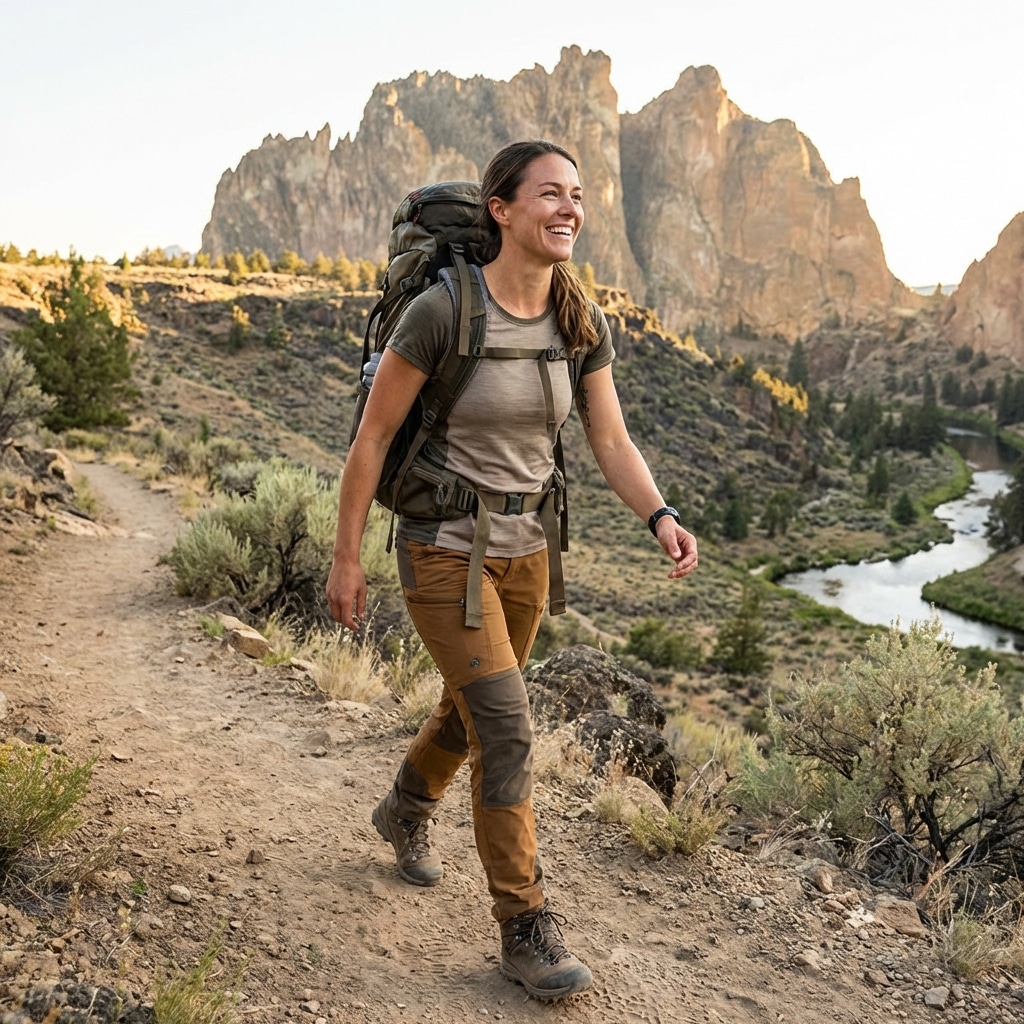
Trekking/Hiking Boots: For less technical, warmer climbs, sturdy hiking boots with good ankle support and waterproof membranes (like Gore-Tex) are suitable.
Fit is Key: Ensure your boots fit perfectly, with room for thick socks but no excessive movement that could cause blisters. Try them on with the socks you intend to wear.
Traction Devices: When Ice and Snow Bite Back
For icy conditions, glacier crossings, or steep snowfields, additional traction is non-negotiable. These tools integrate directly with your climbing boots.
Crampons: Essential for ice climbing and steep, hard-packed snow. They feature sharp metal points that bite into the surface, offering superior grip. Ensure they are compatible with your specific mountaineering boots.
Microspikes: Lighter and less aggressive than crampons, microspikes are excellent for icy trails, moderate snow, and less technical terrain. They offer enhanced traction on slippery surfaces.
Socks: The Unsung Heroes
Don’t underestimate the power of a good pair of socks. They bridge the gap between your foot and your boot, preventing blisters and adding crucial insulation.
Merino Wool or Synthetic Blends: These materials wick moisture, regulate temperature, and provide cushioning. Carry multiple pairs to switch out if one gets wet.
Avoid Cotton: Just like with base layers, cotton socks are a recipe for disaster on the mountain, leading to cold, wet feet and blisters.
Essential Accessories: Completing Your Mountain Kit
Beyond the core clothing layers and footwear, several key accessories are indispensable for safety, comfort, and performance as part of your comprehensive mountain climbing outfit.
Head Protection: From Helmets to Beanies
Your head is vulnerable to both physical impact and extreme temperatures. Protecting it is critical for both safety and thermal regulation.
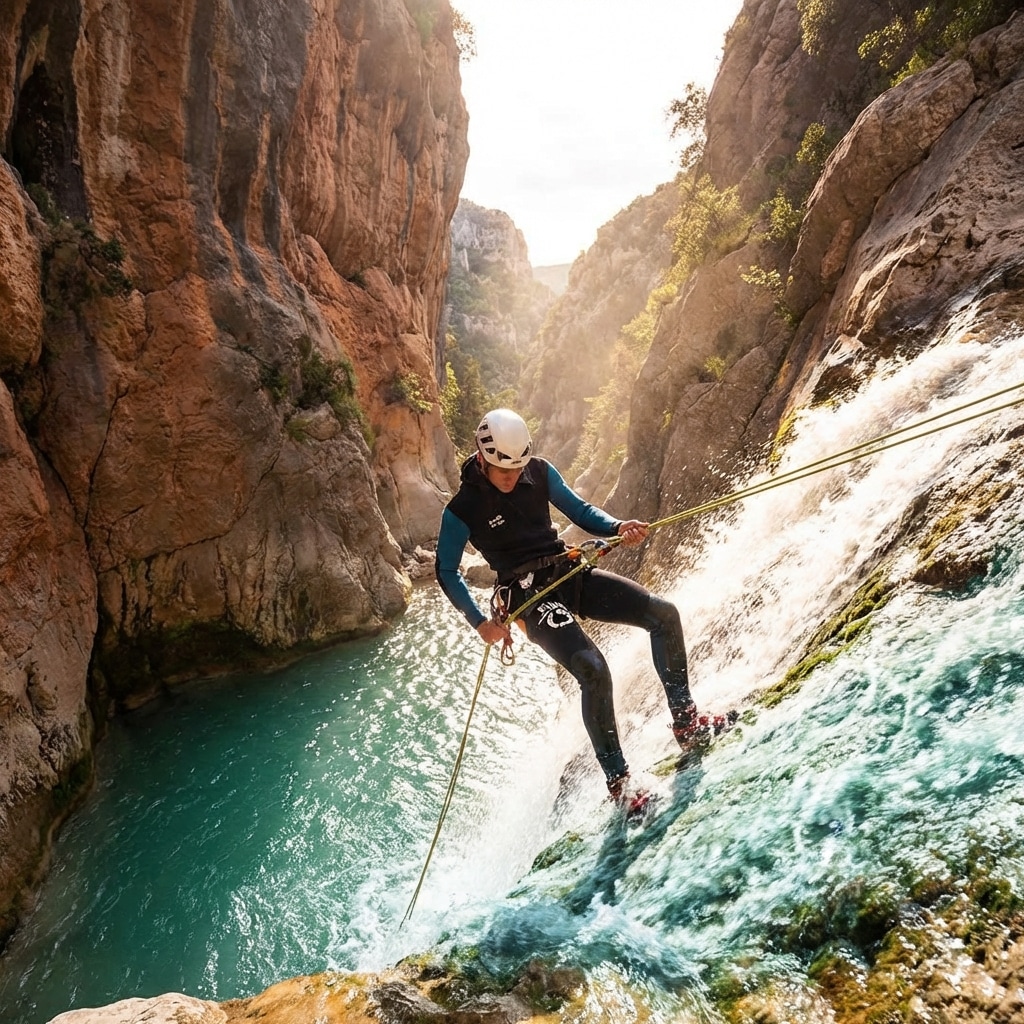
Climbing Helmet: A non-negotiable safety item. It protects against falling rocks, ice, and impacts during a fall. Ensure it fits snugly, allows for a headlamp, and is comfortable for long periods.
Warm Beanie or Balaclava: Essential for retaining body heat, as a significant amount of heat can be lost through the head. A balaclava offers additional face and neck protection in bitter cold.
Wide-Brimmed Hat or Cap: For sunny conditions, this protects your face and neck from harmful UV rays, which are intensified at higher altitudes.
Hand Protection: Dexterity and Warmth
Keeping your hands warm and functional is vital for gripping tools, managing ropes, and maintaining comfort. A layered glove system provides the most versatility.
Liner Gloves: Thin, wicking gloves (merino wool or synthetic) worn next to the skin. They offer light warmth and dexterity while wicking moisture.
Mid-Weight Gloves: Insulated gloves for general cold conditions, offering warmth and good dexterity.
Outer Shell Gloves or Mittens: Waterproof, insulated, and highly durable for extreme cold, wind, and wet conditions. Mittens offer superior warmth but reduce dexterity; some climbers use a combination.
Eye Protection: Guarding Against the Elements
At altitude, UV radiation is much more intense, and reflected glare from snow can cause severe eye damage. Quality eyewear is a must-have piece of your climbing gear.
Glacier Glasses or Goggles: Essential for protecting against snow blindness and harmful UV rays. Look for high-quality lenses with 100% UV protection, polarization, and side shields.
Anti-Fog Coatings: Crucial to maintain clear vision in changing temperatures and during strenuous activity.
Making the Right Choices: Key Considerations for Your Kit
Assembling the ultimate mountain climbing outfit is an investment in your safety and success. Beyond the individual components, consider these overarching factors to ensure your kit is perfectly tailored for your adventure.
Season and Altitude: The specific conditions of your climb dictate the level of insulation and protection required. A summer ascent of a lower peak differs vastly from a winter expedition in the high alpine.
Trip Duration and Difficulty: Longer, more remote, or technically challenging climbs demand greater redundancy, durability, and specialized gear.
Fit and Mobility: All your clothing and gear must allow for a full range of motion without restricting blood flow. Ill-fitting gear can be uncomfortable, inefficient, and even dangerous.
Durability and Weight: Mountain environments are harsh. Invest in gear built to withstand abuse. However, balance durability with weight; every gram counts on a long ascent.
Conquer the Heights, Prepared and Confident
Your journey into the exhilarating world of mountain climbing demands respect for the elements and meticulous preparation. The ultimate mountain climbing outfit is far more than just clothing; it’s a strategically assembled system of technical gear that stands between you and the unpredictable forces of nature. Each layer, every piece of footwear, and all your essential accessories play a vital role in ensuring your safety, optimizing your performance, and ultimately, allowing you to fully immerse yourself in the awe-inspiring beauty of the peaks.
So, before you embark on your next grand ascent, take the time to scrutinize every item in your pack. Ensure your mountain gear is up to the challenge, empowering you to push your limits with confidence. Prepare wisely, climb safely, and embrace the extraordinary adventure that awaits. Happy climbing!