Dreaming of scaling frozen waterfalls or navigating glinting alpine ridges? Ice climbing is an exhilarating adventure that pushes boundaries and rewards with unparalleled views. But this extreme sport demands more than just courage; it requires a meticulous understanding and selection of the right equipment. Your gear isn’t just an accessory—it’s your lifeline, your performance booster, and the key to a safe return.
Whether you’re a seasoned vertical ice enthusiast or contemplating your first frozen ascent, equipping yourself properly is paramount. This comprehensive guide will navigate you through the essential ice climbing gear, helping you make informed decisions for your next thrilling expedition.
Why Your Ice Climbing Gear is Non-Negotiable for Safety and Performance
In the unforgiving environment of ice and snow, every piece of ice climbing equipment plays a critical role. It’s not just about comfort; it’s about mitigating risks and enhancing your capability to move efficiently and safely across challenging terrain. The right gear can mean the difference between a successful climb and a dangerous ordeal.
High-quality, well-maintained gear empowers you with confidence, allows for precise movements, and provides crucial protection against falls, falling ice, and extreme cold. Investing wisely in your ice climbing equipment is an investment in your safety, your performance, and the sheer enjoyment of the sport.
The Essential Ice Climbing Equipment Checklist (2025 Standards)
To conquer icy peaks and frozen cascades, you need a specialized arsenal. Here’s a breakdown of the core types of ice climbing gear, designed for maximum efficiency and security in frigid conditions.
Technical Tools: Your Ascent Arsenal
These are the specialized instruments that enable direct contact and progression on ice. They are the extensions of your hands and feet, providing grip and purchase where none naturally exists.
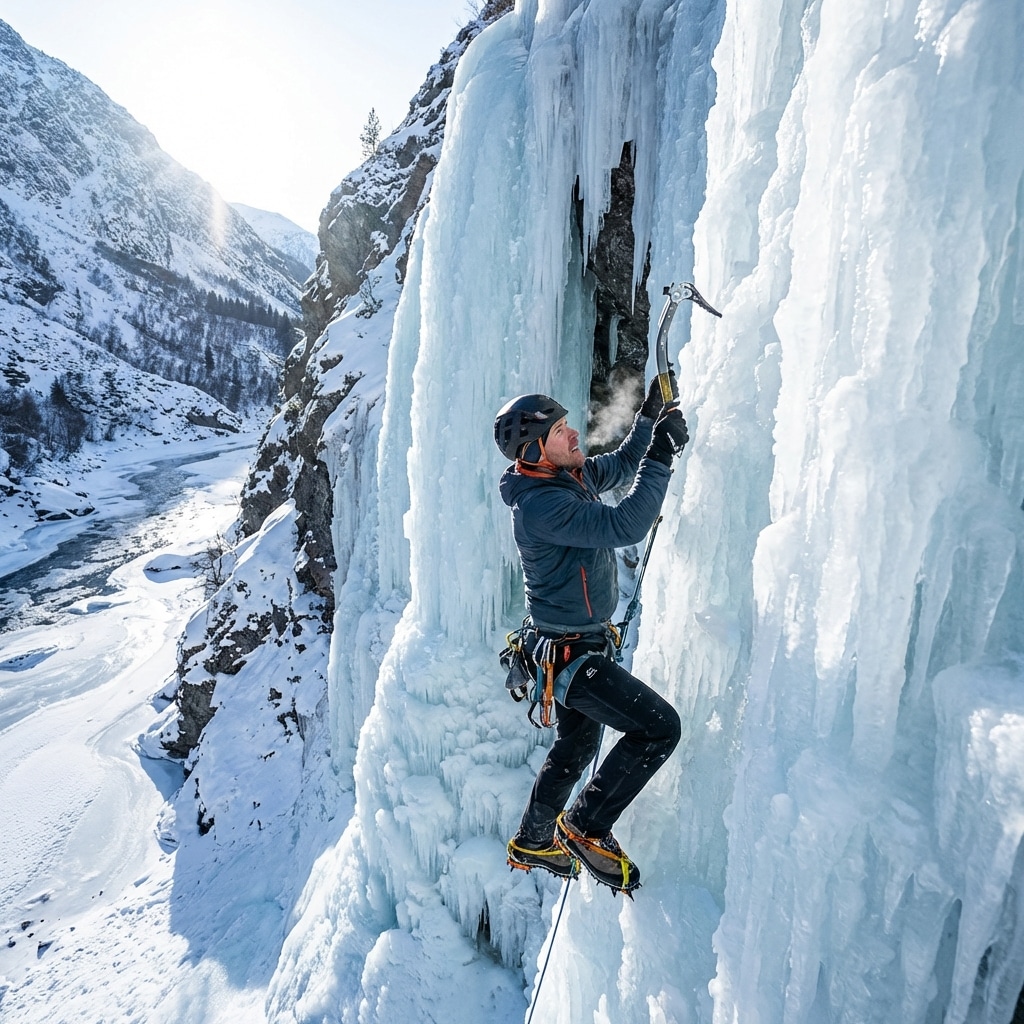
Ice Axes: Your primary tools for ascending. Technical ice tools feature aggressive picks and ergonomic handles designed for swinging into vertical ice, while general mountaineering axes are better for snow slopes and self-arrest.
Crampons: Spiked frames that attach to your boots, providing unparalleled traction on ice and hard-packed snow. Choose between strap-on, semi-automatic, or automatic systems depending on your boots, with vertical front points ideal for steep ice climbing.
Ice Screws: Essential protection that you ‘screw’ into the ice, forming anchor points for your rope and belay system. They come in various lengths, with longer screws offering more security.
Dynamic Ropes: Specifically designed to stretch and absorb the shock of a falling climber. Single ropes are common for lead climbing, while twin or half ropes offer redundancy and flexibility for alpine routes.
Belay/Rappel Device: Critical for managing the rope, catching falls, and descending safely. Devices like ATCs, Reverso, or assisted-braking devices such as a GriGri are standard.
Protective & Safety Gear: Your Life Support System
This category focuses on keeping you safe from impacts, falls, and the elements, forming a robust safety net as you ascend.
Climbing Helmet: Protects against falling ice, rockfall, and head impacts during a fall. Look for lightweight, durable designs that fit comfortably over a hat.
Harness: A critical piece for securing you to the rope system. Ice climbing harnesses often feature extra gear loops for racking screws and carabiners, and adjustable leg loops for layering over bulky clothing.
Carabiners: Metal connectors with spring-loaded gates. You’ll need various types—locking (screwgate or auto-locking) for critical connections and non-locking for quickdraws and general racking.
Slings and Quickdraws: Used for extending protection, creating anchors, and making quick rope-to-protection connections. Nylon or Dyneema slings offer strength and versatility.
First Aid Kit: A compact, waterproof kit with essentials for treating minor injuries and addressing cold-related issues.
Navigation & Communication: A reliable headlamp, map, compass, GPS device, and potentially a satellite messenger for emergencies are crucial for wilderness ice climbing.
Personal Systems: Staying Warm & Dry
Battling extreme cold requires a strategic approach to clothing and personal items. Layering is key to adapting to changing conditions and maintaining core body temperature.
Mountaineering Boots: Insulated, waterproof, and rigid boots are essential for warmth, ankle support, and compatibility with technical crampons. Double boots are often preferred for extreme cold.
Layered Clothing System: Includes moisture-wicking base layers, insulating mid-layers (fleece, down), and a waterproof/breathable outer shell jacket and pants. This system allows for precise temperature regulation.
Gloves (Multiple Pairs): You’ll need a system of gloves, from thin liners for dexterity, to warm, insulated mid-weight gloves, and waterproof gauntlet-style gloves for belaying and leading.
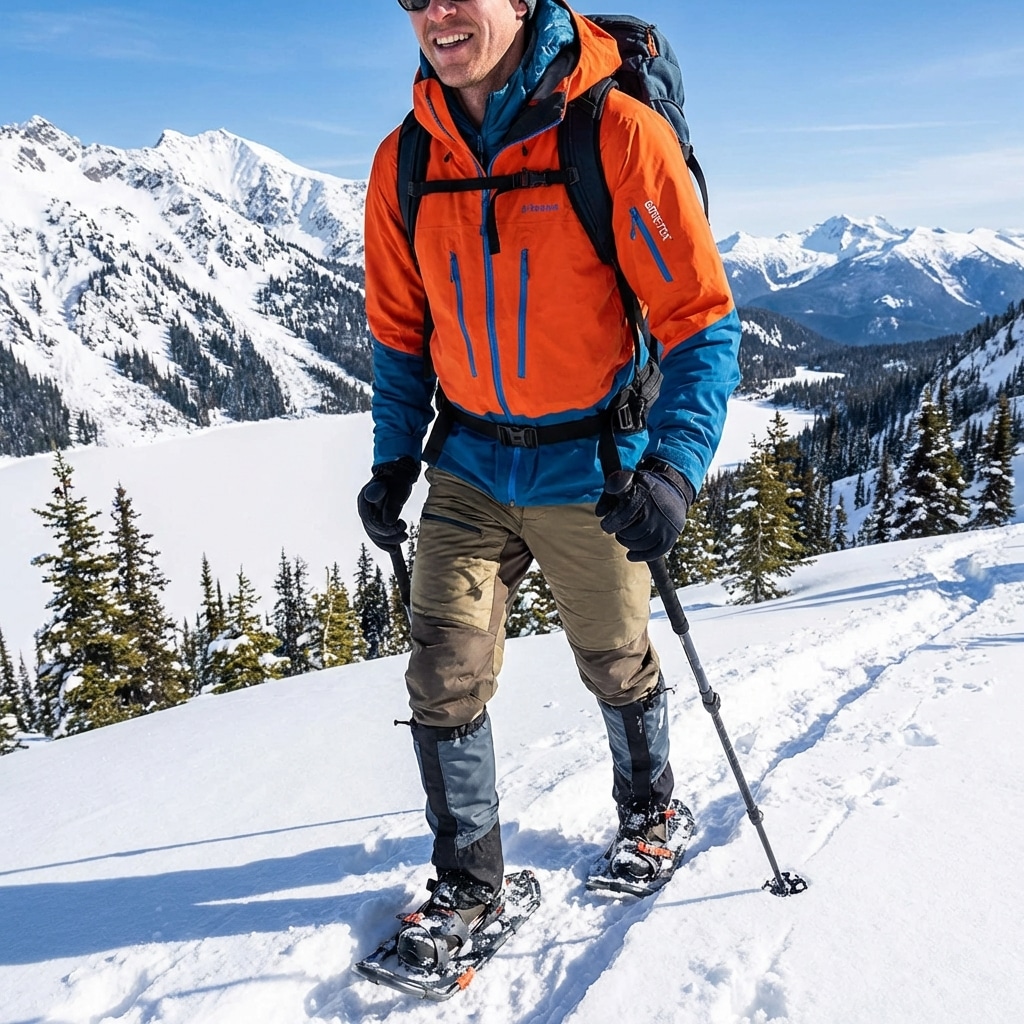
Gaiters: Keep snow and ice out of your boots and off your lower legs, preventing wet feet and frostbite.
Hat, Balaclava & Neck Gaiter: Critical for retaining body heat, as a significant amount of heat is lost through the head and neck.
Eye Protection: High-quality sunglasses or goggles protect your eyes from intense UV radiation and glare reflected off snow and ice.
Support & Logistics: Carrying Your World
A well-designed pack and thoughtful accessories ensure you can carry all your gear comfortably and access it efficiently when needed.
Climbing Backpack: A durable, comfortable pack specifically designed for climbing, often featuring ice axe attachments, crampon pouches, gear loops, and hydration compatibility. Capacity will vary based on trip length.
Insulated Water Bottles/Thermos: Essential for staying hydrated without your water freezing. A thermos for hot drinks can be a welcome morale boost.
How to Choose the Right Ice Climbing Gear for You
Selecting your ice climbing equipment requires careful consideration beyond just price. Here’s what to prioritize to ensure you get the best gear for your needs.
Quality & Safety Certifications
Never compromise on quality. Look for gear that meets international safety standards like UIAA (Union Internationale des Associations d’Alpinisme) and CE (Conformité Européenne). These certifications assure that the equipment has undergone rigorous testing.
Fit and Comfort
Ill-fitting gear is not only uncomfortable but can also be dangerous. Your boots, harness, and helmet must fit snugly without restricting movement or causing pressure points, even when layered. Try everything on with your typical climbing clothing.
Your Climbing Style & Experience Level
Are you focusing on steep, technical waterfall ice, or more moderate alpine routes? Beginners might start with versatile gear, while experienced climbers might invest in more specialized tools tailored to extreme conditions or specific objectives.
Durability & Materials
Ice climbing gear takes a beating. Look for robust materials that can withstand repeated impacts, abrasion, and extreme cold. High-grade steel, aircraft-grade aluminum, and durable fabrics are hallmarks of quality equipment.
Price vs. Value
While cost is a factor, view your gear as an investment in your safety and enjoyment. Sometimes, paying a bit more for a reputable brand with a proven track record can save you money and headaches in the long run. Balance your budget with your specific needs.
Brand Reputation & Reviews
Research brands known for their expertise in ice climbing equipment. Read reviews from other climbers to gauge real-world performance and durability before making a purchase.
Mastering Ice Climbing Equipment Maintenance
Proper maintenance is crucial for extending the lifespan of your expensive ice climbing gear and ensuring its optimal function when you need it most. A well-cared-for kit is a safe kit.
Post-Climb Cleaning
After each trip, clean your equipment thoroughly. Rinse ropes, harnesses, and slings with fresh water to remove dirt, salt, and grime. Dry all gear completely in a cool, shaded area away from direct sunlight and heat.
Inspection for Wear & Tear
Regularly inspect all components:
Ropes: Check for cuts, fraying, hard spots, or unusual wear.
Metal Hardware (Carabiners, Ice Axes, Crampons): Look for cracks, sharp edges, deep gouges, or signs of deformation. Ensure gates on carabiners open and close smoothly.
Webbing (Harnesses, Slings): Examine for cuts, excessive abrasion, UV damage (fading), or stitching failures.
Proper Storage
Store your gear in a dry, cool, dark place, away from chemicals, direct sunlight, and heat sources. Organize it so that components aren’t tangled or subject to unnecessary stress.
Sharpening & Repair
Keep your ice axe picks and crampon points sharp for effective penetration. Use a file or stone, being careful not to overheat the metal. Minor repairs, like replacing a worn strap, can be done, but significant damage often warrants professional assessment or replacement.
Knowing When to Retire Gear
All climbing gear has a lifespan, even if unused, due to material degradation. Always adhere to manufacturer guidelines for retirement. Any gear involved in a significant fall or showing signs of severe damage should be immediately retired, regardless of age.
Choosing, using, and maintaining your ice climbing equipment with diligence are foundational to a safe and rewarding experience. Equip yourself wisely, learn continuously, and respect the formidable beauty of the icy peaks. Happy climbing!