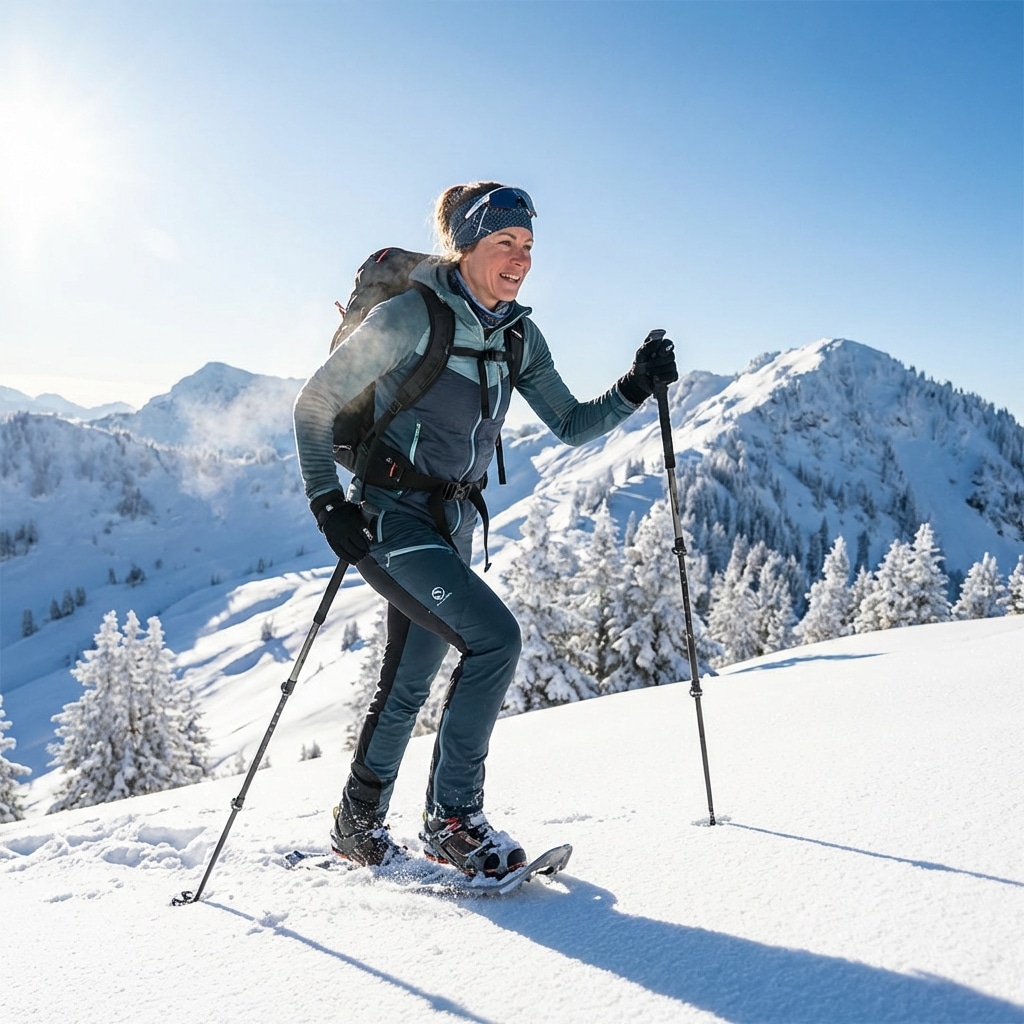
There’s nothing quite like the serene beauty of a snow-covered landscape, the quiet crunch of fresh powder underfoot as you explore on snowshoes. But a magical winter adventure can quickly turn into a miserable ordeal if your feet are cold, wet, or riddled with blisters. The key to an enjoyable, safe, and comfortable snowshoeing experience? The right pair of boots.
Choosing appropriate footwear isn’t just about comfort; it’s about protecting yourself from the harsh elements, maintaining warmth, and providing the crucial support needed for trekking through varied snowy terrains. This comprehensive guide will equip you with all the knowledge to select the perfect snowshoeing boots, ensuring your feet are as ready for adventure as you are.
Why Your Boots Make or Break Your Snowshoeing Adventure
Snowshoeing involves extended periods in cold, snowy, and often wet environments. Your feet are your primary contact with the terrain, and they need reliable protection. Poor boot choice can lead to a host of problems, from distracting discomfort to serious health risks like frostbite.
The right boots for snowshoeing provide essential insulation to keep your feet warm, offer robust protection from snow and moisture, and deliver the necessary support and traction on slippery, uneven surfaces. Without these critical features, your day on the trails could be cut short, or worse, end in injury.
Key Features to Look for in Snowshoeing Boots
When investing in boots for snowshoeing, several critical features stand out. Prioritizing these will ensure you find a pair that meets the demands of winter trekking.
Superior Insulation and Warmth
Keeping your feet warm is paramount. Look for snowshoeing boots featuring high-quality insulation materials designed to trap heat, even in frigid conditions.
Insulation Materials: Common choices include Thinsulate, Primaloft, and felt liners. These synthetic options are excellent at retaining warmth even when damp.
Temperature Ratings: Many brands specify a comfort temperature rating. Consider your typical snowshoeing environment and choose boots rated for temperatures colder than you expect to encounter.
Layering: Remember that even the best insulation works in conjunction with proper sock layering, typically involving a moisture-wicking liner and a warm wool sock.
Bulletproof Waterproofing
Snow and water are inseparable, making waterproof boots an absolute necessity. Your feet must remain dry to stay warm and prevent discomfort.
Waterproof Membranes: Look for boots with a built-in waterproof and breathable membrane like Gore-Tex, eVent, or proprietary brand technologies. These membranes prevent external moisture from entering while allowing internal perspiration to escape.
Sealed Seams: Ensure that all seams are sealed to prevent water ingress through stitching holes.
Durable Water Repellent (DWR): An additional DWR coating on the boot’s outer material helps water bead up and roll off, providing an extra layer of defense against saturation.
Unrivaled Comfort and Fit
A comfortable fit is non-negotiable for long days on the trail. Improperly fitting boots can lead to blisters, painful pressure points, and reduced performance.
Try Before You Buy: Always try on boots with the same type of thick socks you plan to wear while snowshoeing.
Toe Room: Ensure enough space for your toes to wiggle freely, preventing pressure and cold spots, especially when going downhill.
Heel Lock: Your heel should feel secure and not lift excessively when you walk to prevent friction and blisters.
Ankle Support: Good ankle support is crucial for stability on uneven, snowy terrain, helping to prevent twists and sprains.
Bombproof Durability and Traction
Snowshoeing often takes you over varied terrain, from groomed trails to rocky, icy, or slushy conditions. Your boots need to be tough enough to withstand this punishment while providing reliable grip.
Robust Outsoles: Look for rugged rubber outsoles with aggressive lug patterns. Deep, multi-directional lugs provide superior traction on snow, ice, and mixed surfaces.
Sturdy Uppers: The upper material should be durable and resistant to abrasion and punctures. Leather and synthetic materials with reinforced toe caps are common and effective.
Stiffness: A stiffer sole offers better support and can be more efficient when driving the snowshoe crampons into hard snow or ice.
Weight Considerations for Your Snowshoeing Style
The weight of your boots can significantly impact your energy levels, especially on longer treks.
Lightweight Boots: Ideal for casual snowshoeing on groomed trails or shorter excursions. They offer more flexibility and less fatigue.
Heavier-Duty Boots: Better suited for technical terrain, backcountry expeditions, or carrying heavy packs. They often provide more warmth, support, and durability but come with added weight.
Common Types of Boots for Snowshoeing
While the ideal choice depends on your specific needs, here are the most common categories of boots suitable for snowshoeing:
Insulated Winter Hiking Boots
These are a popular choice for recreational snowshoeing. They offer a good balance of warmth, waterproofing, flexibility, and traction, making them versatile for various winter activities.
Mountaineering Boots
For serious backcountry snowshoers tackling steep or icy terrain, mountaineering boots offer superior stiffness, support, and crampon compatibility. They are exceptionally warm and durable but are also heavier and less flexible.
Pac Boots
Known for their extreme warmth, pac boots typically feature a waterproof outer shell and a removable insulated liner. They are excellent for very cold, stationary activities but can be bulky and less suitable for aggressive, dynamic snowshoeing.
Beyond the Boots: Essential Footwear Tips
Even the best snowshoeing boots can’t do it all. Complementary gear and practices will further enhance your comfort and safety:
Wear Proper Socks: Avoid cotton! Opt for merino wool or synthetic blend socks that wick moisture away from your feet while providing insulation.
Consider Gaiters: These fabric sleeves attach to your boots and pant legs, creating a seal that prevents snow from entering your boots from above, especially in deep powder.
Break Them In: Don’t wait for your first long snowshoeing trip to break in new boots. Wear them around the house or on short walks to prevent blisters.
Try With Snowshoes: If possible, try on your boots with your snowshoes to ensure comfortable binding compatibility and range of motion.
Conclusion: Step Into Your Next Snowshoeing Adventure with Confidence
Choosing the right boots for snowshoeing is a critical step toward a successful and enjoyable winter adventure. By prioritizing insulation, waterproofing, comfort, durability, and traction, you’re not just buying footwear; you’re investing in warmth, safety, and countless unforgettable moments on snowy trails.
Armed with this comprehensive guide, you are now well-prepared to make an informed decision on the best snowshoeing boots for your expeditions. Lace up, get out there, and enjoy the pristine beauty of winter!