Venturing into the vertical world of ice and mixed climbing demands unwavering confidence in your gear. Every piece of equipment plays a crucial role, but perhaps none more so than your ice climbing jacket. It’s more than just a layer; it’s your primary shield against biting winds, relentless spindrift, and freezing precipitation. Choosing the right one isn’t just about comfort—it’s about safety, performance, and unlocking your full potential on the ice.
But with countless options on the market, how do you distinguish a truly exceptional ice climbing jacket from merely adequate outerwear? This guide will cut through the noise, detailing the essential features, critical considerations, and top recommendations to help you select the perfect companion for your next frozen adventure. Prepare to climb harder, stay warmer, and push your limits with confidence.

Why a Specialized Ice Climbing Jacket is Non-Negotiable
You might wonder if a regular winter jacket or ski shell will suffice. The truth is, ice climbing presents unique challenges that demand specialized design. A dedicated ice climbing jacket offers a precise balance of protection, mobility, and specific features tailored for the technical demands of ascending frozen cascades.
Essential Features: What Defines a High-Performance Ice Climbing Jacket?
To withstand the rigors of the ice, your jacket must excel in several key areas. Understanding these core features is the first step toward making an informed choice and investing in gear that truly performs when it matters most.
Uncompromising Weather Resistance: Your First Line of Defense
The icy environment is inherently wet and windy. Your jacket must offer robust protection against both. Look for models crafted from advanced waterproof and windproof membranes like Gore-Tex Pro or eVent. These materials create an impenetrable barrier against external moisture and brutal winds, ensuring you stay dry and comfortable.
Crucially, effective weather resistance also means excellent breathability. As you exert yourself, internal moisture from perspiration needs to escape. High-quality membranes strike this balance, preventing you from getting soaked from the inside out, which is vital for preventing hypothermia in cold conditions.
/wp:paragraph –>Strategic Insulation: Battling the Deep Freeze
Depending on your climbing style and expected temperatures, insulation is a critical factor. Ice climbing jackets come in two primary types: uninsulated shells (hardshells) designed for layering, and insulated jackets that provide warmth directly.
- Down Insulation: Offers exceptional warmth-to-weight ratio and compressibility, ideal for very cold, dry conditions. However, down loses its insulating properties significantly when wet, making it less suitable for damp climates or high-activity climbs where sweat is an issue.
- Synthetic Insulation: Retains warmth even when damp and dries quickly, offering more versatility in unpredictable or wetter conditions. While often bulkier than down for the same warmth, synthetic options are increasingly lightweight and effective, making them a reliable choice for active ice climbers.
- Hardshells (Uninsulated): Many expert climbers prefer an uninsulated hardshell, relying on a layering system for warmth. This offers maximum versatility, allowing you to adjust insulation levels precisely as conditions change.
Bombproof Durability: Withstanding Abrasions and Impacts
Ice climbing is inherently abusive to gear. Sharp ice tools, abrasive rock, and frequent body movements can quickly shred lesser fabrics. Durability is paramount for longevity and reliability.
Seek out jackets with reinforced panels in high-wear areas, such as the shoulders (where a pack sits), elbows, and cuffs. Materials with high denier ratings and robust stitching contribute to a jacket that can endure seasons of brutal ice and mixed climbing.
Optimizing Fit & Mobility: Climb Without Restriction
A poorly fitting jacket can hinder your performance and become a constant frustration. For ice climbing, a perfect fit means unrestricted movement and seamless integration with your other gear.
Unrestricted Range of Motion: Fluid Climbing
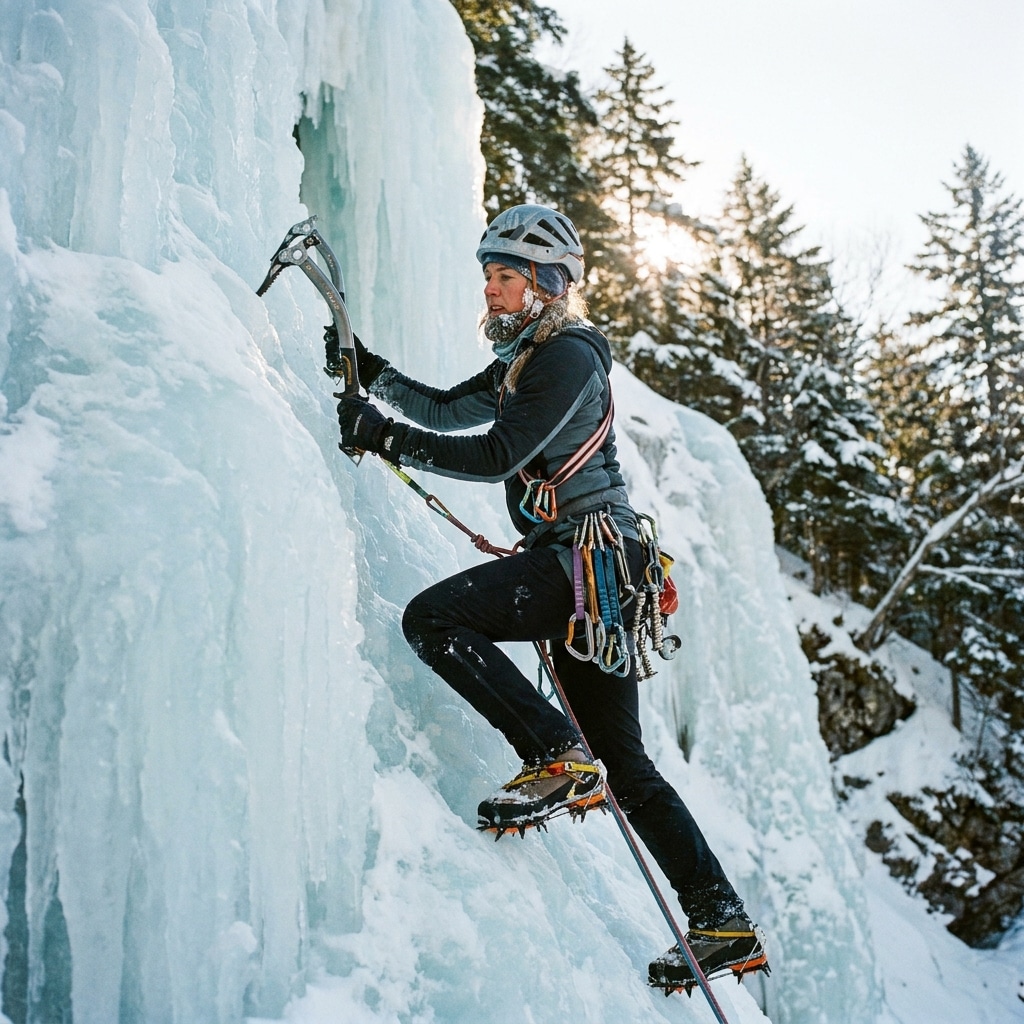
Ice climbing requires dynamic movements: swinging tools overhead, reaching across your body, and high-stepping. Your jacket must move with you, not against you. Look for features like articulated sleeves, gusseted underarms, and a tailored fit that prevents the hem from riding up when you reach high.
Layering Compatibility: Adapt to Any Condition
Your jacket needs to accommodate base layers, a fleece, and potentially a lightweight puffy without feeling bulky or restrictive. It should be snug enough to prevent excess flapping in the wind but loose enough to allow for a comfortable layering system underneath. Adjustable cuffs, hems, and a drawcord waist allow for fine-tuning the fit and sealing out drafts.
Thoughtful Design Elements: Enhancing Your Climbing Experience
Beyond the core features, certain design specifics elevate a good jacket to a great one for ice climbing. These details, often overlooked, significantly improve functionality and comfort.
Helmet-Compatible Hood: Essential Protection
A large, adjustable hood designed to fit comfortably over your climbing helmet is non-negotiable. It should offer full peripheral vision, seal out weather effectively, and move with your head as you turn, preventing blind spots. A laminated brim helps keep precipitation out of your eyes.
Strategically Placed Pockets: Harness and Pack Friendly
Pockets are invaluable for storing essentials like gloves, snacks, or a map. Ensure pockets are placed high enough on the chest or arms to remain accessible even when wearing a climbing harness or a backpack with a hip belt. Internal pockets are great for keeping electronics or extra gloves warm and dry.
Durable Zippers & Cuffs: Small Details, Big Impact
High-quality, water-resistant zippers (e.g., YKK AquaGuard) are crucial for keeping moisture out and ensuring long-term functionality. Cuffs should be adjustable (often with Velcro) to seal over or under gloves, preventing snow and cold from sneaking in. A longer cut in the torso can also prevent cold gaps when reaching.
Maintaining Your Investment: Extend Your Jacket’s Lifespan
Proper care is essential to ensure your ice climbing jacket continues to perform season after season. A well-maintained jacket provides reliable protection and extends the life of your investment.
Cleaning and Re-Waterproofing
Always follow the manufacturer’s care instructions precisely. Generally, use technical wash products (like Nikwax or Grangers) designed for waterproof-breathable fabrics. Avoid conventional detergents, fabric softeners, and bleach, as these can strip DWR (Durable Water Repellent) coatings and clog membranes.
After washing, consider re-applying a DWR treatment if water is no longer beading effectively on the fabric’s surface. Tumble drying on a low setting can often reactivate existing DWR coatings, but check your jacket’s specific guidelines.
Regular Inspection and Repairs
Periodically inspect your jacket for any signs of wear and tear, paying close attention to seams, zippers, and high-abrasion areas. Small tears can often be repaired with technical fabric patches, preventing them from worsening. Promptly addressing minor issues can prevent costly replacements and ensure your jacket is always ready for the next climb.
Top Picks: Leading Ice Climbing Jackets for 2025
While personal preference and specific climbing objectives dictate the ultimate choice, these jackets consistently stand out for their exceptional performance, durability, and thoughtful design, making them top contenders in the ice climbing community for the upcoming season.
Arc’teryx Alpha SV Jacket
Renowned as a benchmark for severe alpine conditions, the Alpha SV (Severe Weather) is a bombproof hardshell. Constructed with N100p-X 3L Gore-Tex Pro, it offers unparalleled durability and weather protection while maintaining surprising mobility. It’s the go-to for serious expeditions where failure isn’t an option.
Patagonia Dual Aspect Jacket
This jacket excels in providing a superb balance of weather protection and lightweight warmth. Featuring a combination of 3-layer H2No® Performance Standard shell and breathable synthetic insulation, it’s a versatile choice for climbers seeking warmth and mobility in unpredictable conditions without the bulk of traditional puffies.
Rab Neutrino Pro Jacket
For those prioritizing ultimate warmth in dry, bitter cold, the Rab Neutrino Pro is an outstanding down-insulated option. Filled with high-loft European goose down and encased in a Pertex Quantum Pro fabric, it offers exceptional warmth-to-weight and weather resistance against light moisture, making it ideal for belays or less active segments.
Conclusion: Your Shield Against the Ice
Choosing the right ice climbing jacket is a pivotal decision that directly impacts your safety, comfort, and performance on the frozen vertical. By understanding the critical importance of weather resistance, insulation, durability, and a specialized fit, you can make an informed choice that will serve you well through countless pitches and exposed belays.
Invest wisely, maintain your gear diligently, and select a jacket that empowers you to tackle the most challenging ice formations with confidence. Gear up for success, embrace the chill, and let your jacket be the reliable barrier that connects you to the thrill of the climb.