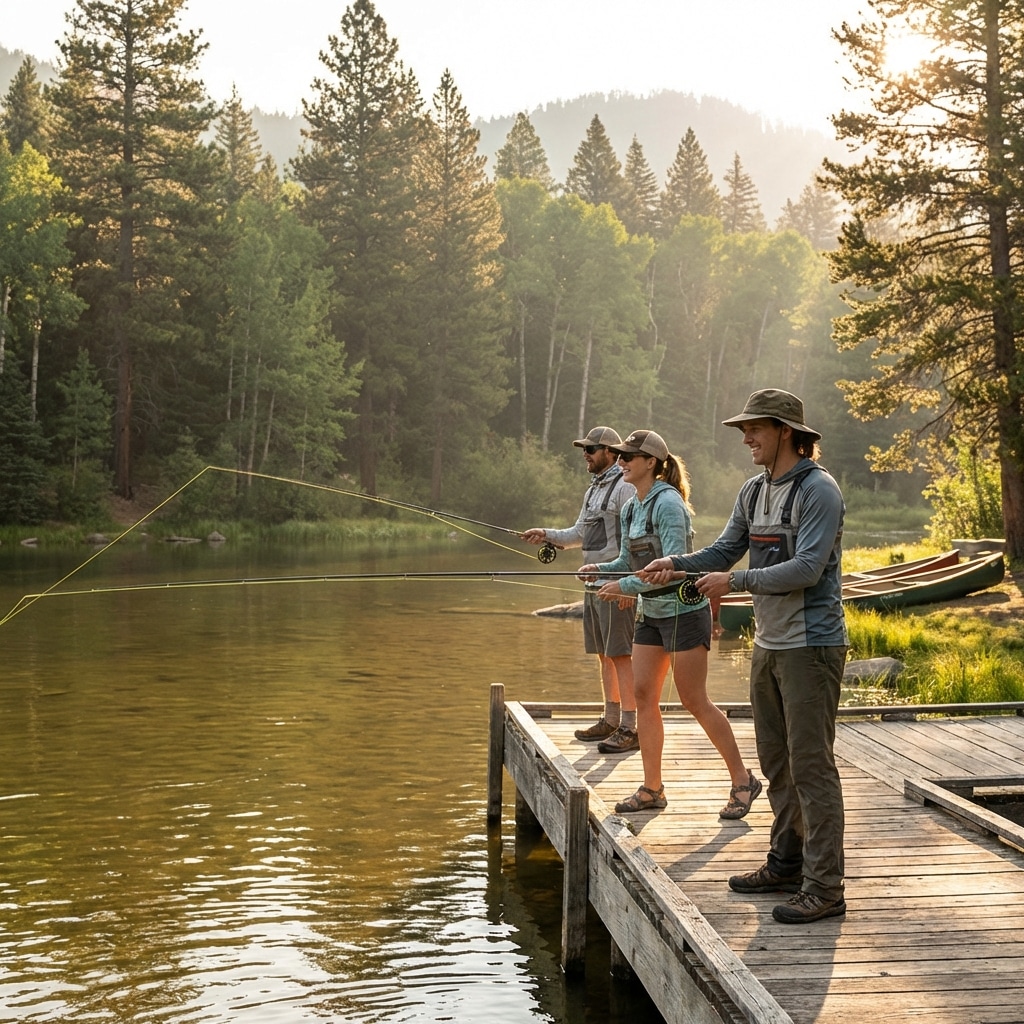
For centuries, fishing has been a fundamental human activity—a means of survival, a livelihood, and a pastime. But in the modern era, a persistent question surfaces among enthusiasts and casual observers alike: Is fishing a sport? The answer isn’t a simple yes or no. It dives into the heart of what defines athletic endeavor, competition, skill, and passion.
While some argue it lacks the overt physicality of football or basketball, millions of anglers worldwide will passionately attest to the challenges, strategies, and pure thrill involved in a day on the water. Let’s cast a line into this intriguing debate and explore why fishing earns its place among respected sports.

Defining “Sport”: Where Does Fishing Fit In?
Before we can definitively answer whether fishing is a sport, we need a working definition. Generally, a sport is an activity involving physical exertion and skill in which an individual or team competes against another or others for entertainment.
When you look at fishing through this lens, many elements align perfectly. There’s strategy, skill, physical effort, and often, direct competition.
The Physical Demands of Angling
Dismissing fishing as merely sitting by a lake ignores the very real physical exertion involved. Anglers often hike to remote spots, navigate challenging terrain, and spend hours actively casting.
Fighting a large fish, especially species like tuna, marlin, or even a strong bass, requires significant strength, endurance, and core stability. The technique of precise casting, the stamina to stand and reel for extended periods, and the mental fortitude to endure harsh weather conditions all contribute to its athletic nature.
Skill, Strategy, and Competition
Beyond brute force, fishing demands immense skill. Successful anglers must understand fish behavior, water conditions, bait presentation, and equipment. They need to master various casting techniques and react instantly to a bite.
Competitive fishing, from local bass tournaments to professional deep-sea events, unequivocally demonstrates its sporting aspect. Competitors vie for the biggest catch, the most fish caught, or specific species within strict time limits and rules. This competitive drive is a cornerstone of any sport.
Exploring the World of Sport Fishing Disciplines
When people refer to “sport fishing,” they are encompassing a vast array of specialized techniques and target species. It’s a broad term that covers recreational angling where skill and challenge are the primary motivators.
Specific disciplines often carry their own names, highlighting their unique demands:
- Fly Fishing: An art form requiring delicate casting techniques with artificial flies.
- Baitcasting/Spinning: Common methods using rods, reels, and various lures or natural baits.
- Deep-Sea Fishing (Big Game Fishing): Targeting large, powerful marine species far offshore.
- Ice Fishing: Requiring endurance and specialized gear in frigid conditions.
- Surf Casting: Casting from the shoreline into the ocean, battling waves and currents.
- Tournament Fishing: Organized competitions across various disciplines, often with significant prize money.
Could Fishing Ever Be an Olympic Sport?
Currently, fishing is not an Olympic sport, though discussions about its inclusion have surfaced periodically. The primary challenges lie in standardizing events, ensuring fairness across diverse environments, and making it universally accessible and spectator-friendly.
If fishing were to join the Olympic roster, it would likely focus on one or two highly standardized, competitive formats, perhaps fly casting accuracy or a specific type of catch-and-release competition, to ensure a level playing field for all nations.
When Did Fishing Go From Sustenance to Sport?
Fishing has been practiced for survival for millennia. However, the concept of fishing purely for recreation and sport began to emerge much later, often alongside increasing leisure time and advancements in tackle technology.
Formalized fishing competitions started gaining traction in the late 19th century. The first documented fishing competition took place in England in 1876, and the first world championship events followed in the late 1800s and early 1900s. This period marked its transition into a recognized, organized sport.
Is Sport Fishing Ethical? A Look at Catch-and-Release and Sustainability
The ethics of sport fishing are a common point of contention. Critics argue that catching fish purely for recreation, potentially harming them, is unethical. However, modern sport fishing increasingly emphasizes conservation and responsible practices.
The widespread adoption of “catch and release” aims to minimize harm and ensure fish populations thrive. Anglers often use barbless hooks, quick release methods, and proper handling techniques. Sustainable fishery management, strict regulations, and active participation in conservation efforts by anglers further strengthen the ethical argument for sport fishing.
The Most Popular Sport Fishing: More Than Just Bass and Trout
Determining the single “most popular” sport fishing depends heavily on geographical location and cultural preference. In North America, bass fishing (especially Largemouth Bass) and trout fishing are incredibly popular, boasting massive industries and dedicated followings.
Globally, however, other species dominate. Carp fishing is huge in Europe and Asia, while saltwater pursuits like targeting Tuna, Marlin, and Mahi-Mahi are immensely popular in coastal regions worldwide. Freshwater species like pike, salmon, and catfish also have dedicated fan bases in various parts of the world.
How Does Sport Fishing Work? Gear, Techniques, and Strategy
At its core, sport fishing involves using a rod, reel, line, and a hook with bait or a lure to entice and catch fish. However, the simplicity ends there. The “how” becomes incredibly complex and nuanced depending on the target species, environment, and chosen technique.
Anglers employ various techniques like casting and retrieving lures (spinning, baitcasting), slowly dragging bait behind a boat (trolling), vertically dropping a weighted lure (jigging), or precisely presenting artificial flies (fly fishing). Each method demands specific gear, unique skills, and an understanding of fish behavior to be successful.
Sport Fishing vs. Commercial Fishing: What’s the Difference?
The distinction between sport fishing and commercial fishing is fundamental. While both involve catching fish, their motivations and methods diverge sharply:
- Sport Fishing (Recreational): Primarily for enjoyment, recreation, challenge, and personal consumption (within limits). It emphasizes skill, conservation, and adheres to strict recreational bag limits and seasons.
- Commercial Fishing: The large-scale harvesting of fish for profit, intended for sale to markets, restaurants, or processing plants. It uses industrial-scale gear (trawlers, longlines, purse seines) and is governed by commercial quotas and regulations.
Sport Fishing vs. Game Fishing: Are They the Same?
Often used interchangeably, “sport fishing” and “game fishing” have subtle differences. Sport fishing is the broader category for all recreational angling focused on skill and challenge. Game fishing is a specific type of sport fishing.
Game fishing specifically refers to targeting species renowned for their fighting ability, size, or difficulty to catch, often termed “game fish” (e.g., marlin, tuna, tarpon, bass, trout). While all game fishing is sport fishing, not all sport fishing targets what might be traditionally classified as “game fish.” For instance, catching panfish for fun is sport fishing but might not be considered “game fishing” by some purists.
The Verdict: Fishing is Absolutely a Sport
Considering the physical demands, the intricate skills, strategic thinking, competitive nature, and the vast industry built around it, there’s little doubt: fishing is undeniably a sport.
It may not always involve sprinting down a field, but it requires stamina, precision, mental focus, and an intimate understanding of nature. For those who cast a line, it’s far more than just a hobby—it’s a challenging, rewarding, and deeply respected athletic pursuit.