Dreaming of gliding down snowy peaks, but not sure whether to strap on skis or a snowboard? You’re not alone! This is one of the most common debates among winter sports enthusiasts. Both skiing and snowboarding promise exhilarating experiences, blending speed, agility, and the breathtaking beauty of snowy landscapes. But when it comes to learning and mastery, which sport truly holds the advantage?
The “easier” choice isn’t black and white. It often hinges on your unique physical fitness, balance, prior athletic experience, and even your individual learning style. This article will slice through the myths and facts, exploring the nuances that make skiing or snowboarding easier to pick up, and which offers a smoother path to becoming a mountain master.
The Initial Hurdle: Which Sport Wins for Beginners?
When you first hit the snow, the immediate challenge can feel daunting. Many beginners wonder if they should learn to ski or learn to snowboard. Let’s break down the very first steps.
Skiing: The Friendly Start?
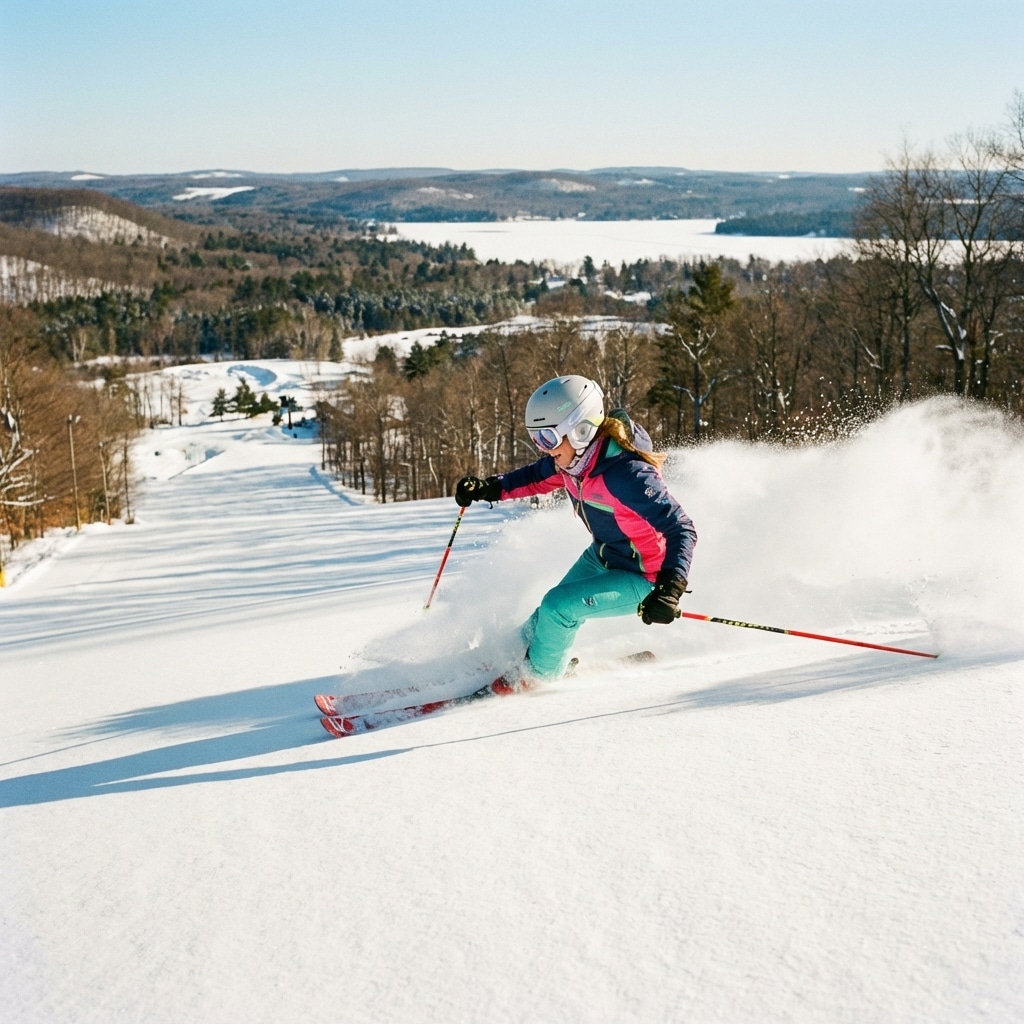
Skiing often boasts a more gradual learning curve in the initial phase. Why?
Natural Stance: With two separate skis, your feet remain parallel and you face forward, a stance similar to walking or running. This can feel more intuitive.
Balance Aids: Ski poles offer crucial support for balance, especially when standing up, pushing off, or navigating flat areas.
Independent Legs: Having two independent planks allows for easier lateral movement and a less intimidating introduction to controlling speed via the “pizza” (snowplow) technique.
While you might feel awkward in ski boots, the ability to maintain a forward-facing stance and use poles often makes skiing feel more accessible in the first few hours.
Snowboarding: A Steeper Slope to Success?
Snowboarding, by contrast, typically presents a steeper initial learning curve. New riders often face unique challenges:
Sideways Stance: Standing sideways on a single board feels unnatural for most, making balance and coordination difficult.
Frequent Falls: Expect to spend a lot of time on your backside (or frontside!) as you learn to control the board’s edges and maintain stability.
Getting Up: Simply standing up from a seated position on a snowboard can be a significant hurdle for beginners.
No Poles: Without poles, navigating flat sections or getting momentum can be tricky, often requiring unstrapping a foot.
Many beginners experience frustration during these initial phases, but don’t let that deter you! The reward for pushing through is often a rapid progression later on.
Beyond the Basics: Mastering the Mountain
So, you’ve survived the beginner slopes. Now, which sport offers an easier path to intermediate and advanced levels? The dynamics shift dramatically.
Snowboarding’s Smooth Progression
Once you’ve overcome the initial awkwardness of the sideways stance, many find snowboarding easier to progress in.
Intuitive Turning: After mastering edge control, carving and turning on a snowboard often feels fluid and intuitive. The single platform allows for powerful, sweeping turns.
Fewer Moving Parts: With just one board, you’re primarily focused on controlling your body and the board as a single unit, which can simplify advanced maneuvers.
Powder Play: Snowboards inherently float better in deep powder, making off-piste exploration feel more natural and less prone to sinking.
Many snowboarders feel they reach an enjoyable intermediate level relatively quickly, transitioning from falling leaf to linking turns with confidence.
Skiing: The Long Road to Mastery
While easy to start, truly mastering skiing can be a lifelong endeavor. The journey from parallel turns to expert carving and moguls demands significant dedication.
Technical Precision: Achieving perfect parallel turns, carving with precision, or tackling challenging moguls requires highly refined technique and subtle movements of the hips, knees, and ankles.
Independent Ski Control: Mastering the independent control of each ski for advanced maneuvers adds layers of complexity that require immense practice.
Varied Terrain: While skiing is versatile, navigating icy patches, tight glades, or steep runs demands a high level of skill and confidence that takes time to build.
This isn’t to say skiing isn’t rewarding; the feeling of perfectly linked carved turns is incredible. But the peak of skiing mastery generally takes more time and deliberate practice compared to snowboarding.
Physical Demands: What Are You Built For?
Both sports are excellent workouts, but they challenge your body in distinct ways. Understanding these differences can help you choose the better fit for your physique.
Core Strength vs. Leg Power
Snowboarding: Core Focus Snowboarding heavily relies on core strength for stability and balance, especially in the twisting motions of turns. Your abdominals and obliques work hard to maintain control. It also uses more glute and thigh strength for edge control.
Skiing: Leg Endurance Skiing primarily targets your leg muscles – quads, hamstrings, and calves – for sustained strength and endurance. Holding an athletic stance and absorbing bumps demands powerful, continuous effort.
The Balance Factor: Two Feet vs. One
Skiing: Frontal Balance Skiing requires balance in a forward-facing plane, which often feels more natural. The poles also aid in maintaining equilibrium, particularly when stationary or moving slowly.
Snowboarding: Rotational Balance Snowboarding demands excellent rotational balance and adaptability to its sideways stance. Initially, this can be disorienting, but once mastered, the unified platform of the board can feel incredibly stable.
If you have a strong core and good general body awareness, snowboarding might click. If you have powerful legs and a more natural forward balance, skiing could be your forte.
Equipment & Comfort: Gear Up for Success
The gear you wear and carry significantly impacts the learning experience. Let’s compare the equipment for skiing vs. snowboarding.
Ski Gear: More Parts, More Precision
Cumbersome: Skiing equipment includes skis, poles, and heavy, rigid ski boots that can be awkward to walk in and transport.
On the Slopes: Poles are invaluable for balance and pushing off, especially for beginners. The independent skis offer precise control, helping navigate varying terrain.
Boot Comfort: Ski boots are designed for performance and responsiveness, not comfort. They can be stiff and uncomfortable, especially during your first few days.
Snowboard Gear: Simplicity and Flow
Streamlined: Snowboarding requires just a single board and softer, more comfortable snowboard boots. This lighter, simpler setup is easier to carry and walk in.
On the Slopes: Without poles, getting up from falls or traversing flat areas can be challenging. However, the single board provides a fluid, surf-like feel, excellent for sweeping turns and powder.
Boot Comfort: Snowboard boots are generally much more comfortable than ski boots, resembling sturdy hiking boots, making off-board activities more pleasant.
If ease of handling gear is a priority, snowboarding might appeal more. If you appreciate the added stability and pushing power of poles, skiing could be a better fit.
The Verdict: It’s All About You!
So, is skiing or snowboarding easier? The definitive answer remains personal. Skiing often offers a gentler introduction to mountain sports, with an easier initial learning phase thanks to its natural stance and use of poles. However, mastering advanced ski techniques can be a long, challenging journey.
Snowboarding presents a steeper initial learning curve, demanding more patience through frequent falls and a unique sideways balance. But once you overcome that hurdle, many riders find progression to intermediate and advanced levels to be more intuitive and fluid.
The best approach? If possible, try both! Rent equipment for a half-day, take a beginner lesson in each, and see which one truly resonates with your body and learning style. Regardless of your choice, the thrill of embracing winter and gliding down snowy slopes is an incredibly rewarding experience worth every effort. Your perfect mountain adventure awaits!