Ready to take the exhilarating plunge into the sky? Whether you’re a first-time tandem jumper or a seasoned pro, one piece of gear stands paramount in ensuring your safety and enhancing your experience: your skydiving helmet. It’s more than just head protection; it’s a critical component designed for high-speed aerodynamics, clear communication, and ultimate peace of mind.
Choosing the right skydiving helmet can feel daunting with so many options available. How do you distinguish between essential features and marketing fluff? This comprehensive guide will equip you with all the knowledge you need to confidently select a helmet that perfectly matches your style, safety needs, and skydiving aspirations.
Why Your Skydiving Helmet Isn’t Just Any Helmet (The Science of Protection & Performance)
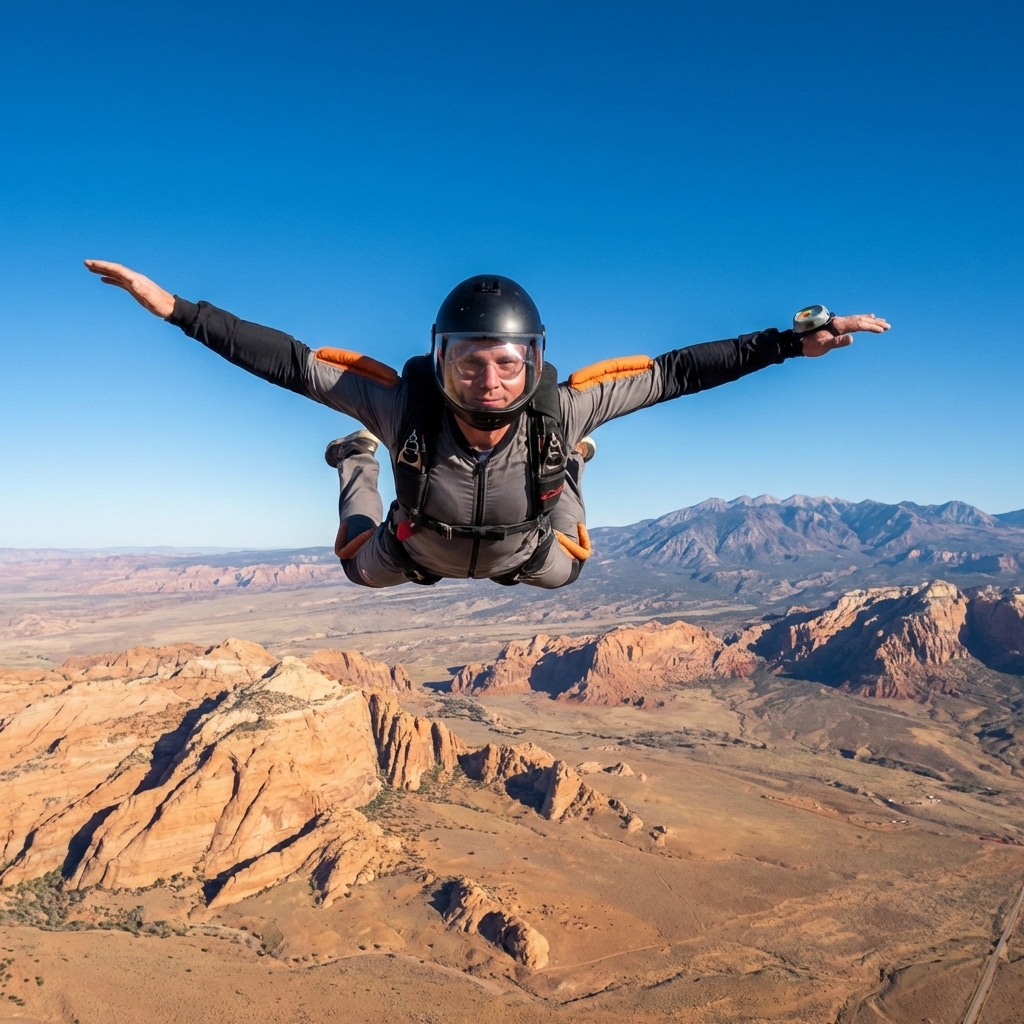
Unlike bicycle helmets or motorcycle gear, skydiving helmets are purpose-built for the unique demands of freefall and canopy flight. Their design integrates advanced engineering to protect you at speeds exceeding 120 mph while minimizing drag.
Uncompromising Head Protection
The primary role of any skydiving helmet is to safeguard your head from potential impacts. Constructed from high-strength, lightweight materials like carbon fiber, Kevlar, and advanced composites, these helmets are engineered to absorb significant energy without adding bulk. They protect against accidental knocks in the aircraft, during freefall, and upon landing.
Engineered for Aerodynamic Precision
Aerodynamics are crucial in skydiving. Modern helmets feature sleek, streamlined profiles that reduce air resistance, helping you maintain stability, control, and optimal speed during freefall. Every curve and vent is designed to cut through the air efficiently, enhancing your performance and reducing fatigue.
Enhanced Visibility & Seamless Communication
Clear vision and effective communication are vital for safety and enjoyment. Many skydiving helmets integrate high-quality visors or goggle systems that offer distortion-free views while protecting your eyes from wind, debris, and UV rays. Advanced models often feature built-in communication systems, allowing for clear interaction with fellow jumpers and ground crew.
Navigating Your Options: Types of Skydiving Helmets
Understanding the different helmet types is the first step in finding your perfect match. Each design caters to specific preferences and skydiving disciplines.
Open-Face Helmets: Freedom & Awareness
Ideal for beginners, tandem students, or those who prefer maximum sensory input, open-face helmets cover the top and sides of your head, leaving your face exposed. They offer excellent peripheral vision and allow for easy communication, making them popular for recreational and instructional jumps.
Full-Face Helmets: Ultimate Protection & Features
Offering comprehensive protection for the entire head, including the face, full-face helmets are favored by experienced jumpers, instructors, and camera flyers. They provide superior wind protection, reduce noise, and often come with integrated visors and advanced communication ports. Many offer modular designs for versatility.
Camera Helmets: Capture Every Moment
Specifically designed for those who want to document their jumps, camera helmets feature secure, integrated mounts for action cameras like GoPros. These helmets are engineered to maintain balance and aerodynamic efficiency even with mounted equipment, ensuring steady footage and a safe jump.
Specialized Helmets: Tailored for Discipline
Beyond the basic types, some helmets are optimized for specific disciplines. Freefly helmets might feature smoother exteriors for high-speed maneuvering, while tunnel helmets prioritize comfort and ventilation for extended indoor flying sessions. Consider your primary skydiving activity when exploring these options.
Essential Features: What to Look for Before You Buy
Choosing the right helmet goes beyond type; it’s about delving into the features that matter most for your safety, comfort, and performance. Here’s a checklist of key considerations:
The Perfect Fit: Comfort Meets Security
A well-fitting helmet is non-negotiable. It should be snug without being uncomfortably tight, preventing movement during freefall. Look for helmets with adjustable internal padding, chin straps, and retention systems to achieve a customized and secure fit that won’t shift or obstruct your vision.
Material & Construction: Durability & Impact Absorption
High-quality materials like carbon fiber, Kevlar, and fiberglass offer excellent strength-to-weight ratios. These composites are crucial for absorbing impact energy while keeping the helmet light. Always research the construction methods and materials used.
Ventilation: Staying Cool Under Pressure
Adequate airflow is vital, especially on warm days or during long manifest calls. Strategically placed vents help circulate air, reduce fogging (in full-face helmets), and enhance overall comfort without compromising structural integrity.
Weight: Lightness for Agility
A lighter helmet reduces neck fatigue and improves maneuverability during freefall and canopy flight. While protection is paramount, modern technology allows for robust safety features in increasingly lightweight designs. Aim for the lightest certified helmet that meets your protection needs.
Always verify that any skydiving helmet you consider carries recognized safety certifications. In the United States, look for approval from the United States Parachute Association (USPA) or equivalent international standards like the European Norm (EN) 966. These certifications confirm the helmet has passed rigorous safety tests.
Visor & Eye Protection: Clear Vision, Wind-Free
For full-face helmets, examine the visor quality. It should be optically clear, scratch-resistant, and easy to operate with gloved hands. For open-face helmets, ensure adequate space and compatibility for your preferred goggles.
Communication System Compatibility: Stay Connected
If you jump with a team or an instructor, or simply want to listen to music, ensure the helmet has integrated ear pockets or is designed to accommodate aftermarket communication systems. This feature significantly enhances safety and coordination.
Camera & Accessory Mounts: Document Your Descent
If capturing your jumps is a priority, choose a helmet with secure, low-profile camera mounts. Ensure they are designed to break away safely in case of impact, preventing entanglement hazards. Consider mounts for altimeters or other accessories as well.
Maintaining Your Investment: Helmet Care for Longevity & Safety
A quality skydiving helmet is an investment in your safety and enjoyment. Proper maintenance ensures it continues to perform optimally jump after jump.
Gentle Cleaning for Peak Performance
Regularly clean your helmet using a mild soap and water solution and a soft cloth. Avoid harsh chemicals or abrasive cleaners, which can degrade the helmet’s materials and protective coatings. For the interior, remove and hand wash the padding if possible, allowing it to air dry completely.
Regular Inspection: Spotting Wear & Tear
Before and after each jump, perform a quick visual inspection. Look for any cracks, dents, deep scratches, or signs of stress on the shell. Check the chin strap, buckles, and visor mechanism for wear or damage. Any significant damage warrants professional inspection or replacement.
Proper Storage: Protecting Your Gear
Store your helmet in a cool, dry place away from direct sunlight and extreme temperatures. Using a helmet bag can protect it from accidental scratches and impacts when not in use or during transport. Avoid placing heavy objects on top of it.
The Bottom Line: Why a Quality Skydiving Helmet is Non-Negotiable
Your skydiving helmet is more than just an accessory; it’s a fundamental piece of life-saving equipment. Investing in a high-quality, properly fitted, and certified helmet directly contributes to your safety, comfort, and overall enjoyment of every jump. Don’t compromise when it comes to head protection.
By choosing wisely, you empower yourself to fully focus on the incredible experience of freefall, knowing your most vital asset is exceptionally protected.
Armed with this guide, you’re now ready to make an informed decision. Take your time, try on different models, and prioritize fit and certification above all else. Then, strap on your perfectly chosen helmet, take that exhilarating leap, and savor the unparalleled thrill of skydiving with confidence!