Thinking about dipping your toes into the world of Stand Up Paddleboarding (SUP) but wondering, “Is stand up paddleboarding hard?” You’re not alone! Many aspiring paddlers feel intimidated by the idea of balancing on water.
The good news? While it requires a bit of practice, SUP is generally much easier to pick up than it looks. It’s a fantastic way to enjoy the water, get a great workout, and explore nature from a unique perspective.
Factors That Influence SUP Difficulty
The “hardness” of stand up paddleboarding isn’t a one-size-fits-all answer. Several factors can make your initial experience more or less challenging:
- Your Experience Level: Naturally, beginners will find it more challenging than seasoned paddlers. But everyone starts somewhere!
- Board Type: Wider, thicker inflatable paddle boards (iSUPs) or touring hard boards offer more stability, making them ideal for beginners. Narrower, performance-oriented boards are trickier.
- Water Conditions: Calm, flat water (lakes, slow rivers) is much easier than choppy water, strong currents, or ocean waves.
- Your Fitness Level: Good core strength, balance, and general fitness will help, but SUP itself is a great way to build these attributes.
For most beginners on stable boards in calm conditions, the initial learning curve is gentle. You’ll quickly get the hang of balancing and basic paddling.
Navigating the Learning Curve: What to Expect
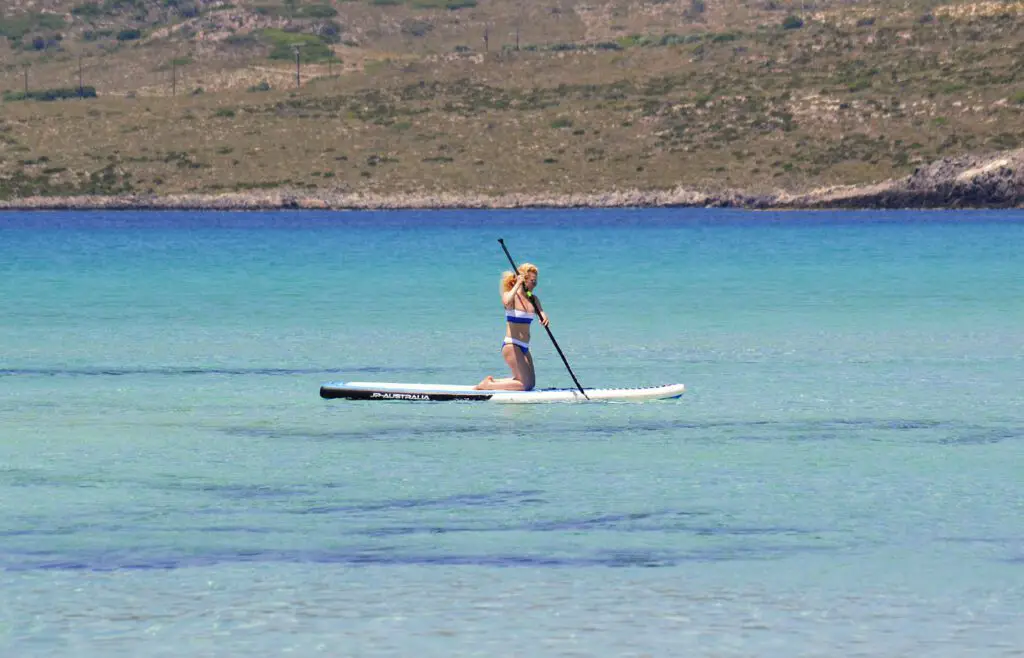
Your first few times on a paddleboard will likely involve spending some time on your knees, getting comfortable with the board’s feel. Transitioning to standing requires engaging your core and looking at the horizon, not your feet.
Falling is part of the process – embrace it! Think of it as a refreshing cool-down. With a bit of practice (often just one or two sessions), you’ll build muscle memory and confidence. Soon, you’ll be cruising with ease, enjoying the peaceful glide and beautiful scenery.
Is It Easy to Fall Off a Paddleboard?
Yes, especially when you’re first starting! Falling off is a common experience for new paddlers, but it’s rarely dangerous if you follow safety guidelines.
To minimize falls, begin in calm, shallow water. Start by kneeling, then slowly stand up, keeping your gaze fixed on the horizon. Wearing a leash is crucial to ensure your board doesn’t drift away if you do take a plunge.
Is a Stand Up Paddleboard Worth It?
Absolutely, for countless reasons! Investing in a stand up paddleboard opens up a world of adventure and relaxation. It’s an incredible full-body workout that’s low-impact and enjoyable.
From peaceful morning paddles on a glassy lake to exploring coastal inlets, SUP offers unique opportunities for fitness, stress relief, and connecting with nature. For many, it quickly becomes a cherished hobby.
Why Are Stand Up Paddleboards So Expensive?
While prices can seem high, it’s due to several factors beyond just being a “new sport.” Quality paddleboards are crafted from durable, advanced materials like military-grade PVC for inflatables or epoxy resin for hardboards.
The manufacturing process is intricate, and the price often includes essential accessories like a paddle, leash, fin, pump (for iSUPs), and a carrying bag. Think of it as an investment in a versatile piece of outdoor equipment that offers years of enjoyment.
Why Do My Legs Hurt After Paddleboarding?
Sore legs after paddleboarding are a common sign of a great workout! SUP engages your entire body, especially your core, glutes, quads, and calves, which work constantly to maintain balance and propel you through the water.
As you become more experienced, your muscles will adapt, and soreness will decrease. Proper technique, a good warm-up, and stretching afterward can also help minimize post-paddle aches.
Can You Paddleboard in the Dark?
While technically possible, paddleboarding in the dark is generally not recommended for safety reasons. Reduced visibility makes it difficult to spot obstacles, other water users, or potential hazards like currents and underwater rocks.
If you absolutely must paddle in low light, always use bright, approved navigation lights (front and rear), wear reflective clothing, and paddle in familiar, calm waters. Always prioritize safety and consider local regulations.
Does Paddleboarding Tone Arms?
Yes, paddleboarding is excellent for toning your arms, shoulders, and back! Every stroke engages your upper body, building strength and endurance. However, it’s important to remember that SUP is a full-body workout.
Proper paddling technique emphasizes using your core and back muscles more than just your arms, leading to a more efficient stroke and a comprehensive workout that tones everything from your shoulders to your toes.
What Should I Know Before Starting Stand Up Paddleboarding?
Before you hit the water, here are essential tips for a safe and enjoyable first experience:
- Wear a PFD (Personal Flotation Device): It’s crucial for safety, often legally required, and can save your life.
- Attach Your Leash: This keeps your board attached to you if you fall, preventing it from drifting away.
- Check Weather & Water Conditions: Look for calm water and avoid strong winds or storms.
- Start on Your Knees: Get comfortable paddling from a kneeling position before attempting to stand.
- Look at the Horizon: This helps maintain balance more than looking at your feet.
- Rent First: Try a few different boards before committing to a purchase.
- Learn to Fall Safely: Fall away from the board, not onto it, to avoid injury.
- Proper Paddle Length: Adjust your paddle so it’s about 6-8 inches taller than you.
Is Paddleboarding Harder Than Surfing?
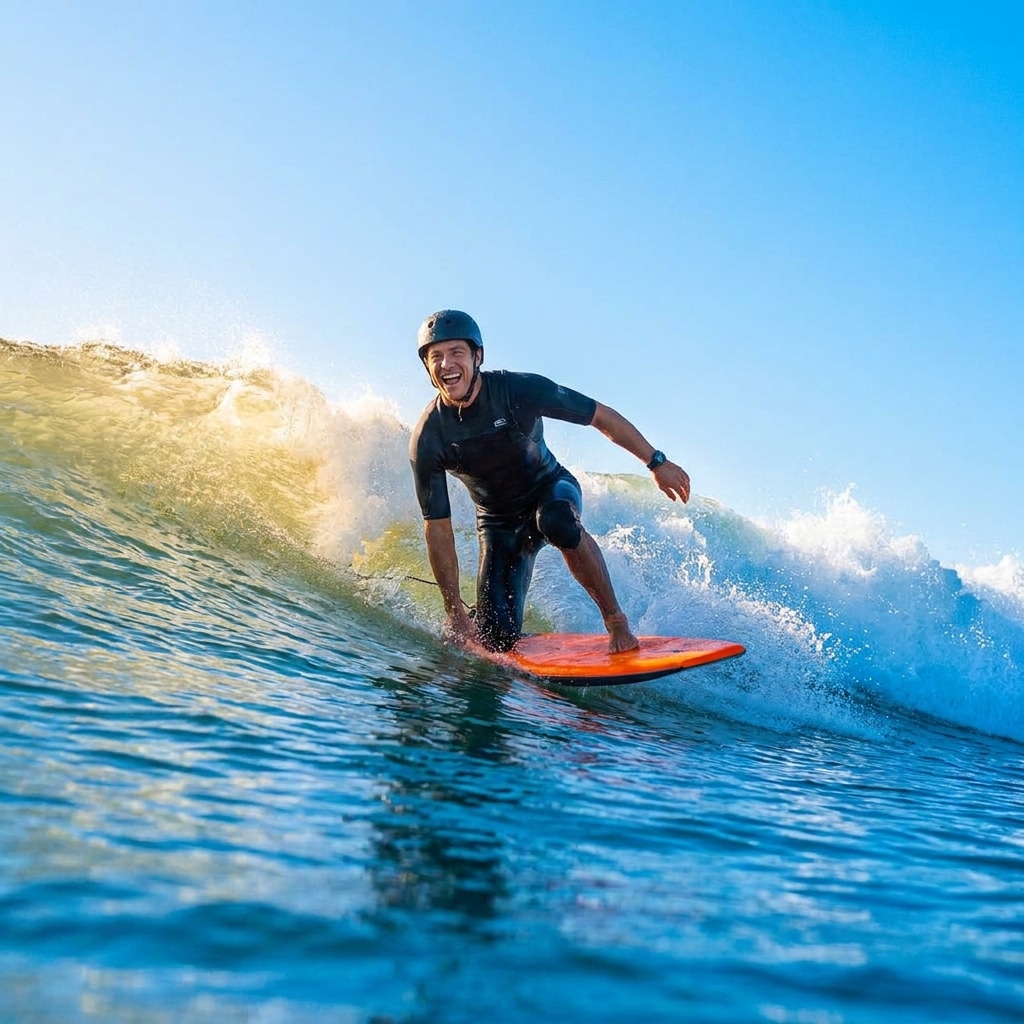
Generally, stand up paddleboarding is significantly easier to learn than traditional surfing. Surfing requires precise timing, wave knowledge, and quick reflexes to catch and ride a wave, often involving many frustrating wipeouts.
SUP, on the other hand, can be enjoyed on flat water with minimal learning required for basic propulsion and balance. While advanced SUP surfing exists and is challenging, the barrier to entry for casual paddling is much lower than for surfing.
Ready to Paddle?
So, is stand up paddleboarding hard? For most, it’s an accessible and incredibly rewarding sport with a relatively gentle learning curve. Don’t let perceived difficulty deter you from trying it out!
With the right board, calm conditions, and a willingness to learn (and maybe fall a few times!), you’ll quickly discover the joy and tranquility of paddling. Grab a board and experience the adventure for yourself!