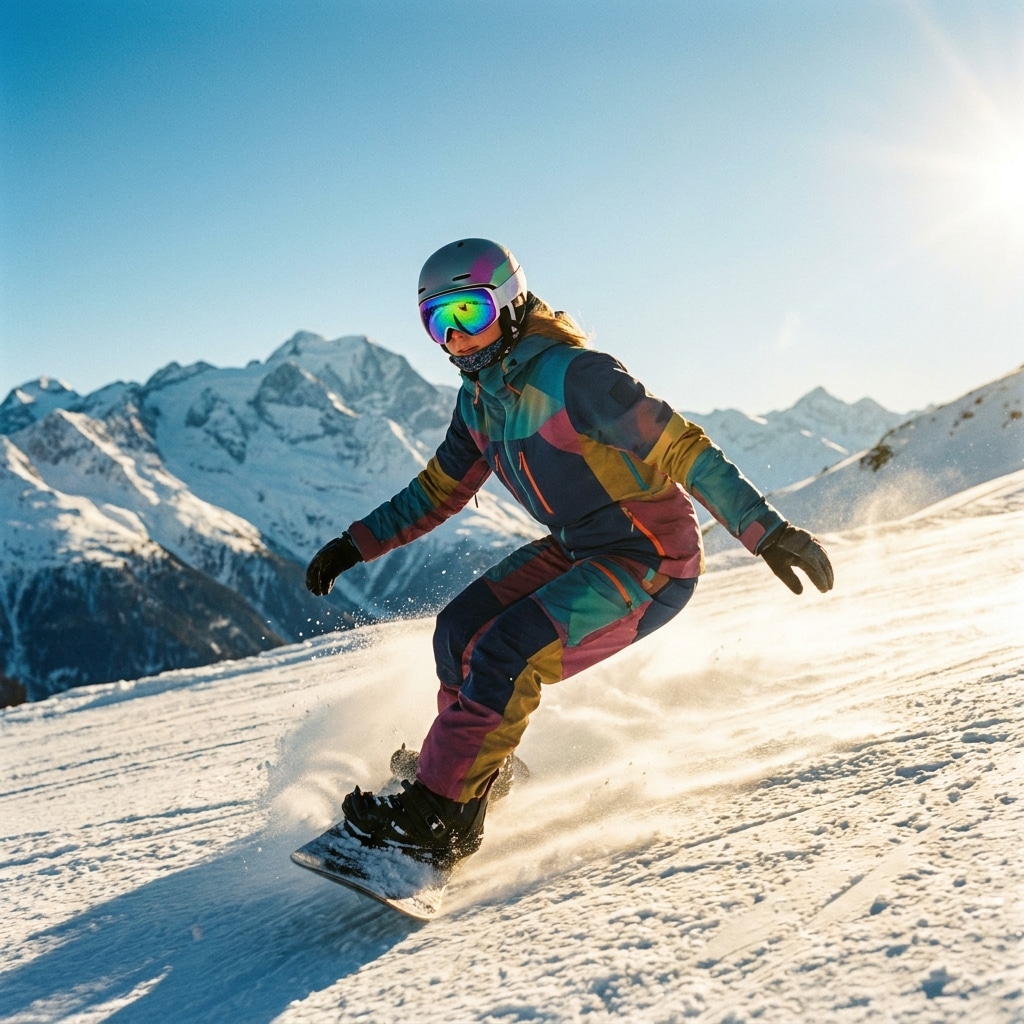
Is your child ready to conquer the slopes and experience the exhilaration of snowboarding? It’s a question many parents ponder, eager to introduce their kids to a thrilling winter sport that promises not just adrenaline, but also incredible memories, outdoor adventure, and significant physical development. Snowboarding offers a unique blend of fun and skill-building, making it an excellent choice for active youngsters.
From mastering balance to navigating diverse terrains, snowboarding can ignite a lifelong passion for winter sports. But how do you start this journey safely and effectively? This comprehensive guide will walk you through everything you need to know about introducing your child to the exciting world of kids snowboarding.
Is Snowboarding Right for Your Child? Unpacking the Benefits & Suitability
A common concern for parents is whether snowboarding is an appropriate sport for children. The answer is a resounding yes! With the right approach, proper guidance, and a strong emphasis on safety, kids can begin their snowboarding journey early and reap numerous rewards.
Enhanced Balance & Coordination: Snowboarding inherently demands and develops strong balance, agility, and motor coordination, which are crucial for overall physical development.
Physical Fitness: It’s an active full-body workout that builds leg strength, core stability, and cardiovascular endurance, all while enjoying the fresh air.
Resilience & Problem-Solving: Learning to snowboard involves overcoming challenges, falling and getting back up, which fosters resilience, perseverance, and problem-solving skills.
Outdoor Connection: It’s a fantastic way for children to connect with nature, appreciate winter landscapes, and enjoy healthy outdoor activity away from screens.
Alternative Winter Fun: Snowboarding offers an exciting alternative to traditional winter sports, providing a fresh perspective on enjoying the colder months.
Beyond the physical benefits, snowboarding helps children build confidence as they master new skills and navigate the slopes. It’s an empowering experience that can shape their self-esteem and give them a unique outlet for adventure.
When Can Kids Start Snowboarding? Finding the Sweet Spot
Many children can begin learning the basics of snowboarding as young as three years old. While age is a factor, a child’s readiness is more about their individual motor skills, attention span, and enthusiasm.
Starting young allows children to develop a fundamental understanding of balance and control, essential for snowboarding. Many resorts offer specialized “mini-shredder” programs designed for toddlers, focusing on fun, gentle slopes, and foundational movements rather than complex tricks. These lessons often involve learning to slide, stop, and turn in controlled, safe environments.
Look for signs of readiness such as good balance on one foot, an ability to follow simple instructions, and a genuine interest in trying the sport. Remember, the goal is to make it a positive and enjoyable experience, not to push them into it prematurely.
Essential Gear for Young Shredders: Safety and Performance Combined
Equipping your child with the right snowboarding gear is paramount for both safety and a positive learning experience. Ill-fitting or inappropriate gear can hinder progress and even lead to injury.
Choosing the Right Kids’ Snowboard
Length: For beginners, the snowboard’s length should typically reach somewhere between the child’s chin and nose when stood upright. Shorter boards are easier to control and turn.
Width: Ensure the snowboard’s width allows the child’s boots to fit comfortably without excessive overhang, which can cause toe or heel drag.
Flex: Opt for a soft-flex board. Softer boards are more forgiving, easier to turn, and less fatiguing for small, developing muscles.
Rocker Profile: Many beginner kids’ boards feature a “rocker” or “reverse camber” profile, which lifts the edges off the snow slightly, making it harder to catch an edge and easier to initiate turns.
Snowboard Boots & Bindings: The Foundation of Control
Snowboard boots are arguably the most critical piece of gear. They must be comfortable, supportive, and snug, providing a direct connection to the board.
Boots: A proper fit means no heel lift, but enough room for toes to wiggle slightly. They should be supportive around the ankle. Avoid buying boots that are too big for “room to grow,” as this compromises control and increases injury risk.
Bindings: Bindings connect the boots securely to the board. Ensure they are compatible with the boots and are adjusted correctly to center the boot on the board, providing optimal leverage and support.
Non-Negotiable Safety Gear: Helmets, Padding & More
Safety is paramount in kids snowboarding. Protective gear can significantly reduce the risk of injury.
Helmet: An approved, properly fitting helmet is non-negotiable for preventing concussions and serious head injuries. Always ensure it meets safety standards (e.g., ASTM F2040).
Padding: Invest in padding for knees, wrists, and especially the tailbone. Falls are inevitable when learning, and this padding protects vulnerable joints and bones from fractures or sprains.
Goggles: Protect eyes from sun, glare, wind, and snow. Ensure they fit well with the helmet.
Appropriate Apparel: Dress your child in warm, waterproof, and breathable layers. This includes a waterproof jacket and pants, warm base layers, insulated gloves or mittens, and warm socks.
Teaching Kids to Snowboard: Strategies for Success on the Slopes
Introducing your child to snowboarding should be a gradual, positive, and fun process. Here are effective strategies to ensure a successful start.
Professional Lessons: The Smart Start
Enrolling your child in lessons with a certified instructor is often the most effective way to learn. Instructors are trained in teaching methods specifically designed for children, ensuring they learn proper techniques and safety rules at an appropriate pace. They can correct bad habits early and build confidence safely.
Mastering the Fall: A Crucial First Step
Falling is an unavoidable part of learning to snowboard. Teaching kids how to fall correctly can drastically reduce the risk of injury. Encourage them to:
Relax their body: Tensing up makes injuries more likely. Teach them to relax their limbs.
Fall to the side: Rather than falling straight back or forward, teach them to roll to their side to distribute impact.
Protect their head: Remind them that the helmet is there to do its job, but they can also tuck their chin.
Land on padding: Emphasize landing on padded areas like knees, wrists, and tailbone.
Off-Slope Drills: Building Core Strength & Balance
Practicing balance and coordination exercises off the snowboard can significantly aid their progress on the slopes. Simple activities at home can make a big difference:
Balance Beam/Line: Walking a straight line or a low balance beam.
One-Leg Stands: Practicing standing on one foot for increasing durations.
Yoga & Pilates: Kid-friendly yoga poses can improve flexibility, core strength, and balance.
Balance Boards: A fun way to simulate snowboarding movements and build ankle strength.
Patience, Praise, and Play
Keep the learning process positive and fun. Kids learn best when they are engaged and enjoying themselves.
Be Patient: Progress isn’t linear. Celebrate small victories and don’t get discouraged by setbacks.
Keep it Fun: Incorporate games, take frequent breaks for hot chocolate, and let them explore at their own pace.
Positive Reinforcement: Always praise effort and progress, no matter how small.
Listen to Your Child: If they’re tired or cold, it’s time for a break. Pushing them too hard can lead to frustration and disinterest.
Conclusion: Shredding the Slopes Safely and Happily
Kids snowboarding is more than just a winter sport; it’s an exciting avenue for children to develop physical skills, build confidence, and create cherished memories with family and friends. With the right gear, professional guidance, and a steadfast emphasis on safety, your child can confidently carve turns and experience the pure joy of gliding down the mountain.
Embrace the journey, support their learning, and watch them transform into enthusiastic young shredders, ready to take on the winter world with a board strapped to their feet!