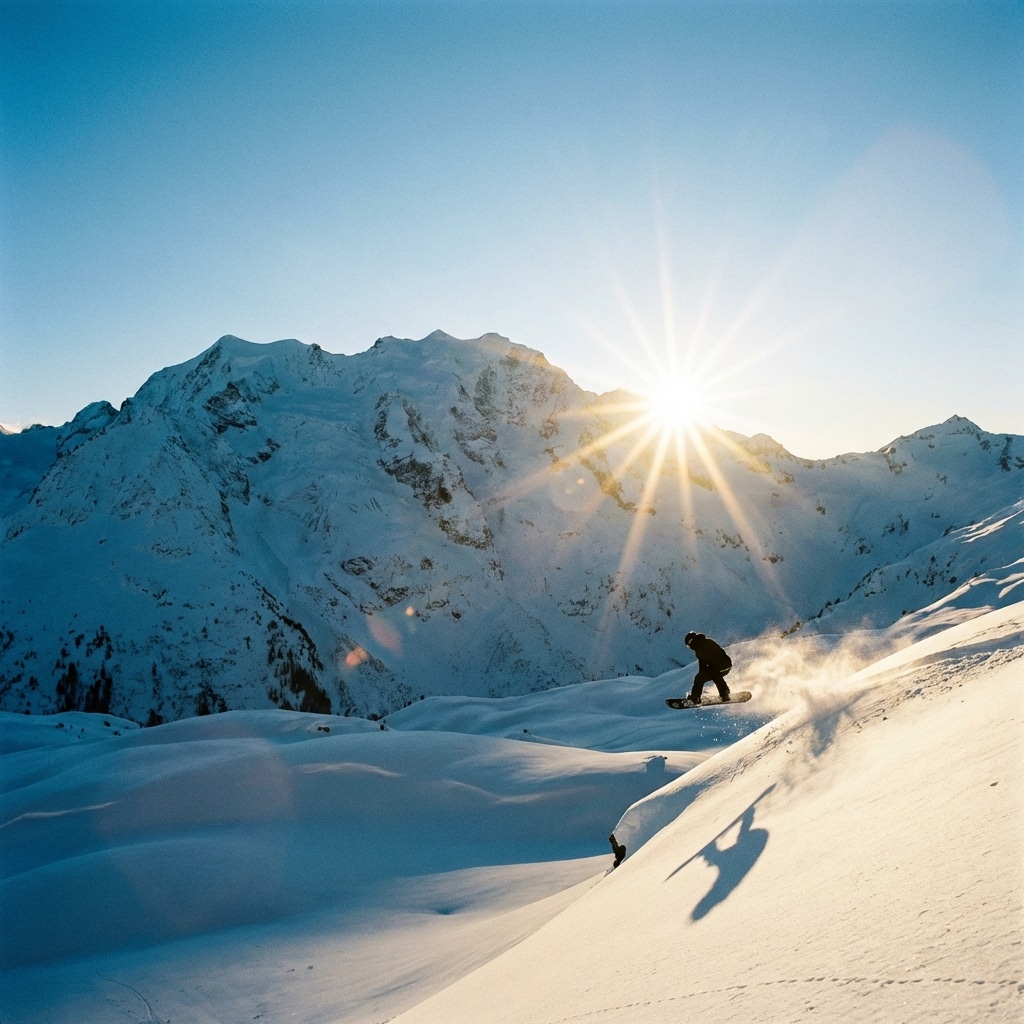
Few winter activities offer the serene beauty and invigorating exercise of snowshoeing. Gliding across fresh powder, surrounded by a pristine, snow-covered landscape, is an experience truly unlike any other. However, to truly immerse yourself in this winter wonderland adventure and avoid cold, wet feet, one critical piece of gear demands your attention: the right pair of boots.
Choosing the best boots for snowshoeing isn’t just about comfort; it’s about warmth, dryness, stability, and ultimately, your enjoyment. So, if you’re wondering, “What kind of boots should I wear snowshoeing?”, you’ve come to the right place. Let’s dive into selecting the perfect footwear to conquer any snowy trail.
Why Your Snowshoeing Footwear Matters (More Than You Think)
Before we explore specific features, it’s vital to understand the foundational role your boots play. Snowshoeing is an active pursuit in cold, often wet environments. The wrong boots can quickly turn a blissful trek into a miserable ordeal, while the right pair will keep you comfortable, supported, and focused on the stunning scenery.
Keeping Your Feet Warm and Dry: The Ultimate Priority
Your feet are your connection to the snow, and they’re highly susceptible to cold and moisture. Proper snowshoeing boots act as a fortress, preventing snow and ice from seeping in while trapping precious body heat. A lack of insulation or waterproof protection will lead to frozen toes and discomfort, potentially even frostbite.
Stability and Support on Uneven Terrain
Snowshoeing often involves traversing uneven, slippery, or deep snow. Your boots need to provide excellent ankle support to prevent twists and turns, especially when carrying a pack or breaking trail. Good support also helps with energy transfer, making each step more efficient.
Maximizing Mobility for Effortless Strides
While supportive, your boots also need to allow for natural foot flex and movement. Too stiff or too bulky, and they’ll hinder your stride and cause fatigue. The right balance ensures you can move freely and comfortably for miles, enjoying the rhythm of the snowshoeing experience.
Essential Features to Look for in Snowshoeing Boots
When evaluating potential snowshoeing boots, keep these key characteristics in mind. They are the pillars of a successful and enjoyable winter adventure.
1. Superior Insulation: Battling the Cold
Insulation is non-negotiable for cold-weather activities. Look for boots with a significant amount of insulation, often measured in grams (e.g., 200g, 400g, 600g Thinsulate or similar synthetic materials). The ideal level depends on the typical temperatures you’ll encounter and your personal circulation. For most snowshoeing, 200-400 grams is a good starting point.
Snow melts, and wet feet get cold quickly. Your boots must be fully waterproof and breathable. Technologies like Gore-Tex, eVent, or proprietary brand membranes (e.g., Omni-Tech, M-Select DRY) create a barrier against moisture while allowing sweat vapor to escape. Seam-sealed construction is also crucial to prevent leaks.
3. Ankle Support and Shaft Height: Stability and Snow Protection
Choose boots that rise above your ankles. This high-cut design provides essential stability on uneven snow and prevents snow from entering your boots, even if you step into a deeper drift. A padded collar adds extra comfort and warmth around the ankle.
4. Optimal Fit and Comfort: Your Foundation for the Trail
A comfortable fit is paramount. Your toes should have room to wiggle, but your heel should feel secure without lifting. Try boots on with the type of socks you’ll wear snowshoeing (typically wool or synthetic). Ample cushioning, arch support, and a roomy toe box prevent pressure points and fatigue during long treks.
5. Traction and Outsole Design: Gripping the Snow
While snowshoes provide primary traction, your boot’s outsole plays a role too, especially when walking on packed snow, ice, or exposed patches of trail. Look for aggressive lug patterns that can bite into varied surfaces. Rubber compounds designed for cold temperatures will remain flexible and grippy.
6. Durability and Materials: Built to Last
Snowshoeing can be tough on footwear. Boots made from durable, abrasion-resistant materials like full-grain leather, robust synthetic textiles, and reinforced toe caps will withstand the rigors of winter adventures.
Types of Boots Best Suited for Snowshoeing
Different types of winter footwear can work for snowshoeing, depending on your activity level and the conditions.
Insulated Winter Hiking Boots: These are often the go-to choice for recreational snowshoers. They offer a good balance of warmth, waterproofing, support, and flexibility, making them versatile for both winter hiking and snowshoeing.
Heavy-Duty Winter Boots (e.g., Pac Boots): For extremely cold conditions or less active snowshoeing, very heavily insulated boots with removable liners can be excellent. However, they can be bulky and less flexible for strenuous activity.
Mountaineering Boots: While overkill for most recreational snowshoeing, specialized mountaineering boots offer superior warmth, waterproofing, and rigidity for technical terrain or extreme cold. They are generally too stiff for casual use.
Snowshoe-Specific Boots: Some brands offer boots specifically designed to integrate seamlessly with snowshoe bindings, often featuring heel ledges and specific fit profiles.
Top Recommended Boots for Snowshoeing
While the “best” boot is subjective, these models consistently receive high praise for their snowshoeing capabilities, balancing warmth, protection, and comfort.
Merrell Moab Polar Waterproof Boots
A beloved choice for winter hiking and snowshoeing, the Moab Polar offers excellent insulation (often 200g-400g), reliable waterproofing, and a comfortable, athletic fit. They strike a great balance between warmth and mobility, making them suitable for long treks.
Columbia Bugaboot Plus IV (or current model)
Known for their robust build and impressive thermal reflective insulation (Omni-Heat), Columbia’s Bugaboot series provides superior warmth and dry feet through its seam-sealed construction. They are an excellent option for colder conditions and deeper snow.
Salomon X Ultra Winter CS WP 2 (or current model)
This boot offers a lighter-weight option without compromising on insulation or waterproofing. Designed for agility, it’s perfect for more intense snowshoeing treks where speed and responsiveness are key. Its precise fit enhances control with snowshoe bindings.
Oboz Bridger 8″ Insulated Waterproof
Oboz boots are renowned for their exceptional out-of-the-box comfort and superior arch support. The Bridger 8″ insulated model provides excellent warmth (200g Thinsulate), waterproof protection, and a sturdy build, making it a reliable companion for extended snowshoe adventures.
Pro Tips for Your Snowshoeing Footwear
Try Before You Buy: Always try boots on at the end of the day when your feet are slightly swollen, and wear the socks you intend to use. Walk around the store to test the fit.
Invest in Quality Socks: Merino wool or synthetic blend socks are crucial. Avoid cotton, as it retains moisture and will leave your feet cold.
Consider Gaiters: These waterproof sleeves extend from your boot over your lower pant leg, providing an extra barrier against snow entry, especially in deep powder or when kicking up snow. They are a highly recommended accessory for any snowshoeing trip.
Break Them In: Don’t wear brand new boots on a long snowshoe trek. Break them in with shorter walks first to ensure comfort and prevent blisters.
Lacing Matters: Learn proper lacing techniques for hiking boots to secure your heel and provide adequate ankle support without restricting circulation.
Conclusion: Step into Your Snowshoeing Adventure with Confidence
The kind of boots you wear while snowshoeing truly dictates the quality of your winter trekking experience. By prioritizing insulation, waterproofing, ankle support, and a comfortable fit, you can ensure your feet remain warm, dry, and protected, allowing you to fully appreciate the serene beauty of the snowy landscapes. Invest wisely in your footwear, pair them with good quality socks and gaiters, and you’ll be ready to embrace the magic of snowshoeing for many seasons to come. Happy snowshoeing!