Dreaming of hitting the dirt trails and exploring nature on two wheels? Mountain biking is an exhilarating way to experience the outdoors, but diving in can feel overwhelming, especially when it comes to gear. What do you *really* need to get started safely and comfortably?
Whether you’re planning a casual ride on local paths or eyeing more challenging singletrack, having the right mountain biking gear makes all the difference. From essential safety items to performance-enhancing accessories, let’s break down everything you need to know to equip your next adventure.

Before You Buy: Key Considerations for Mountain Biking Gear
Before you start filling your cart, take a moment to consider a few crucial factors. The best mountain biking gear for you depends heavily on your intentions and circumstances.
- What Type of Riding Will You Do? Are you primarily looking for leisurely rides on paved paths or smooth dirt (cross-country/XC)? Or do you crave technical descents, rocky climbs, and challenging terrain (trail, enduro, or downhill)? Your chosen discipline heavily influences the type of bike and protective gear you’ll need.
- What Terrain Will You Encounter? Consider the typical conditions of your local trails. Are they mostly dry and dusty, or do they often involve mud, roots, and wet rocks? This impacts tire choice, brake performance, and even clothing.
- What’s Your Budget? Mountain biking can be an investment, but you don’t need the most expensive gear to have fun. Start with the absolute essentials and upgrade as your skills and commitment grow. Prioritize key items like a good bike and helmet.
- Fit is Paramount: Whether it’s your bike, helmet, or clothing, proper fit ensures comfort, safety, and performance. Ill-fitting gear can lead to discomfort, inefficiency, and even injury on the trail.
The Absolute Essentials: Your Core Mountain Biking Gear List
These are the non-negotiables – the foundational items that will get you out on the trails safely and effectively.
1. The Mountain Bike Itself
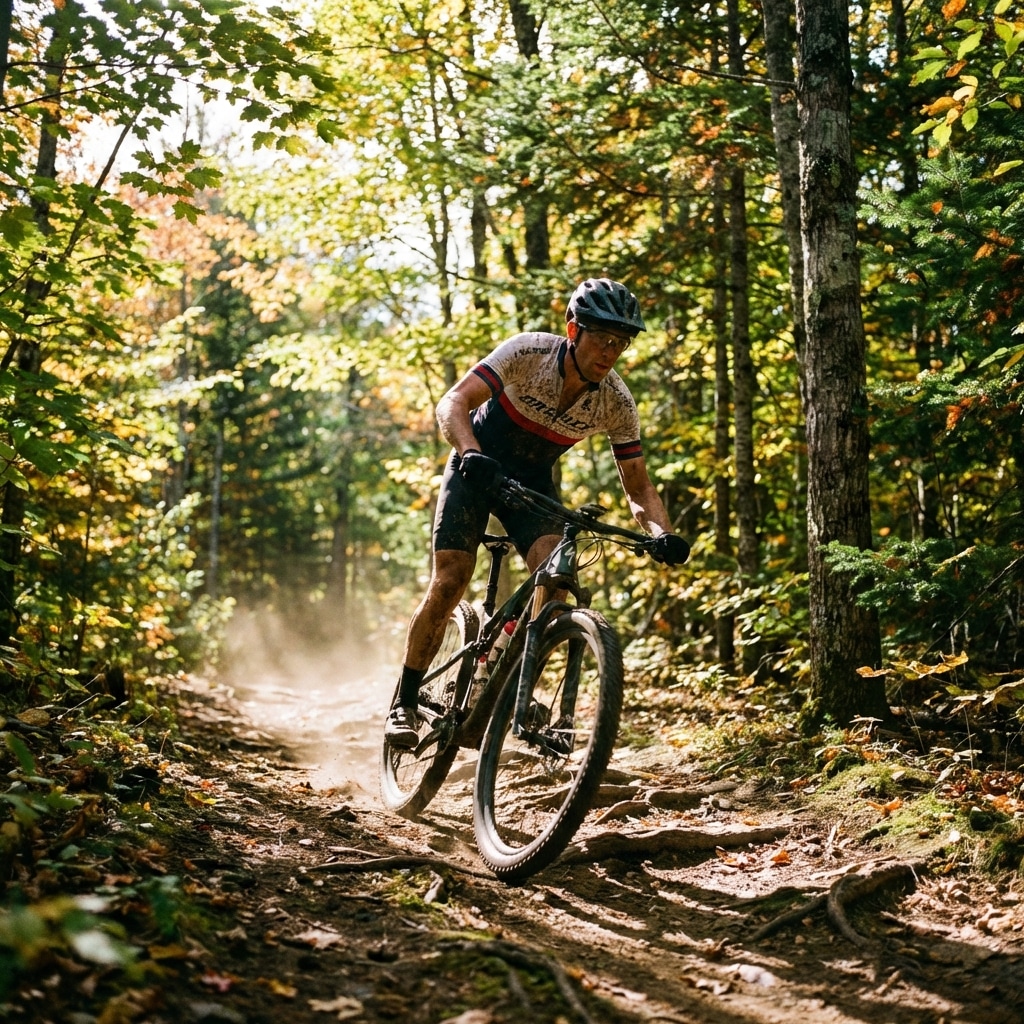
This is obviously the star of the show! Mountain bikes are specifically designed to withstand the rigors of off-road terrain. For beginners, a hardtail (front suspension only) is a great entry point, offering durability and easier maintenance.
Key features to look for include reliable front suspension to absorb impacts, a wide gear range for tackling various inclines, powerful hydraulic disc brakes for superior stopping power, and knobby tires for excellent grip on loose surfaces.
2. Helmet: Your Most Important Piece of Safety Gear
Never hit the trail without a properly fitted helmet. It’s your primary defense against head injuries. Look for a helmet that fits snugly without being too tight, offers ample ventilation to keep you cool, and ideally includes MIPS (Multi-directional Impact Protection System) technology for enhanced safety.
For more aggressive riding styles like enduro or downhill, a full-face helmet might be a necessary upgrade for additional facial protection.
Next-Level Comfort & Performance: Riding Apparel & Accessories
Once you have your bike and helmet, these items significantly enhance your comfort, performance, and preparedness for longer or more challenging rides.
3. Riding Apparel
Forget cotton! Opt for lightweight, moisture-wicking fabrics that breathe well and dry quickly. A technical jersey and durable, loose-fitting mountain bike shorts or pants are ideal. Consider padded cycling shorts worn underneath for extra comfort on longer rides.
Riding gloves are a must for improved grip, protection against blisters and scrapes, and vibration damping. Don’t forget proper riding shoes, which typically have a stiff sole for pedaling efficiency and good grip for walking off-bike.
4. Hydration & Nutrition
Staying hydrated is critical. A hydration pack (a backpack with a water bladder) is excellent for carrying plenty of water and essentials. For shorter rides, bottle cages and water bottles might suffice. Always bring energy-boosting snacks like bars or gels for longer excursions.
5. Repair Kit & Tools
Flats happen! A basic trailside repair kit is indispensable. This should include a mini-pump or CO2 inflator, tire levers, a spare tube (even if you run tubeless, it’s a good backup), and a multi-tool with various Allen keys and possibly a chain breaker. A small patch kit is also a smart addition.
6. Navigation & Communication
Always carry a fully charged phone for emergencies and navigation. Consider a dedicated GPS device or a reliable mapping app on your phone. A small whistle can also be useful for signaling in an emergency.
Staying Safe on the Trail: Advanced Safety Gear
While a helmet covers your head, additional protection can prevent injuries on more technical trails or if you’re pushing your limits.
7. Protective Gear (Pads)
Knee pads are highly recommended, even for beginners on rougher trails, as knee scrapes are common. Elbow pads offer additional protection for more aggressive riders. Eye protection, such as riding glasses or goggles, keeps dust, debris, sun, and branches out of your eyes.
8. First-Aid Kit
A compact, lightweight first-aid kit is essential for treating minor cuts, scrapes, and blisters that can happen on the trail. Be prepared for small incidents to prevent them from becoming bigger problems.
Pro Tips for New Mountain Bikers
- Don’t Break the Bank Initially: Focus on quality for your bike and helmet. Other items can be added or upgraded over time.
- Rent Before You Buy: If possible, rent different types of mountain bikes to find what suits your riding style and local trails best before committing to a purchase.
- Learn Basic Maintenance: Knowing how to fix a flat, lube your chain, and perform a quick safety check will save you headaches on the trail.
- Ride with Others: Exploring trails with friends is not only more fun but also safer. You can learn from each other and provide assistance in case of an emergency.
- Take a Skills Clinic: Investing in a beginner mountain biking skills clinic can dramatically improve your confidence and technique, making your rides more enjoyable and safer.
Conclusion: Get Ready to Ride!
Getting into mountain biking is an incredibly rewarding experience, offering physical challenges and stunning natural beauty. By investing in the right mountain biking gear, you ensure not only your safety but also your comfort and enjoyment on every ride.
Start with your essential mountain bike and a quality helmet, then gradually build your collection of clothing, accessories, and safety gear. With this comprehensive guide, you’re well-equipped to confidently hit the trails and embark on your next great outdoor adventure!