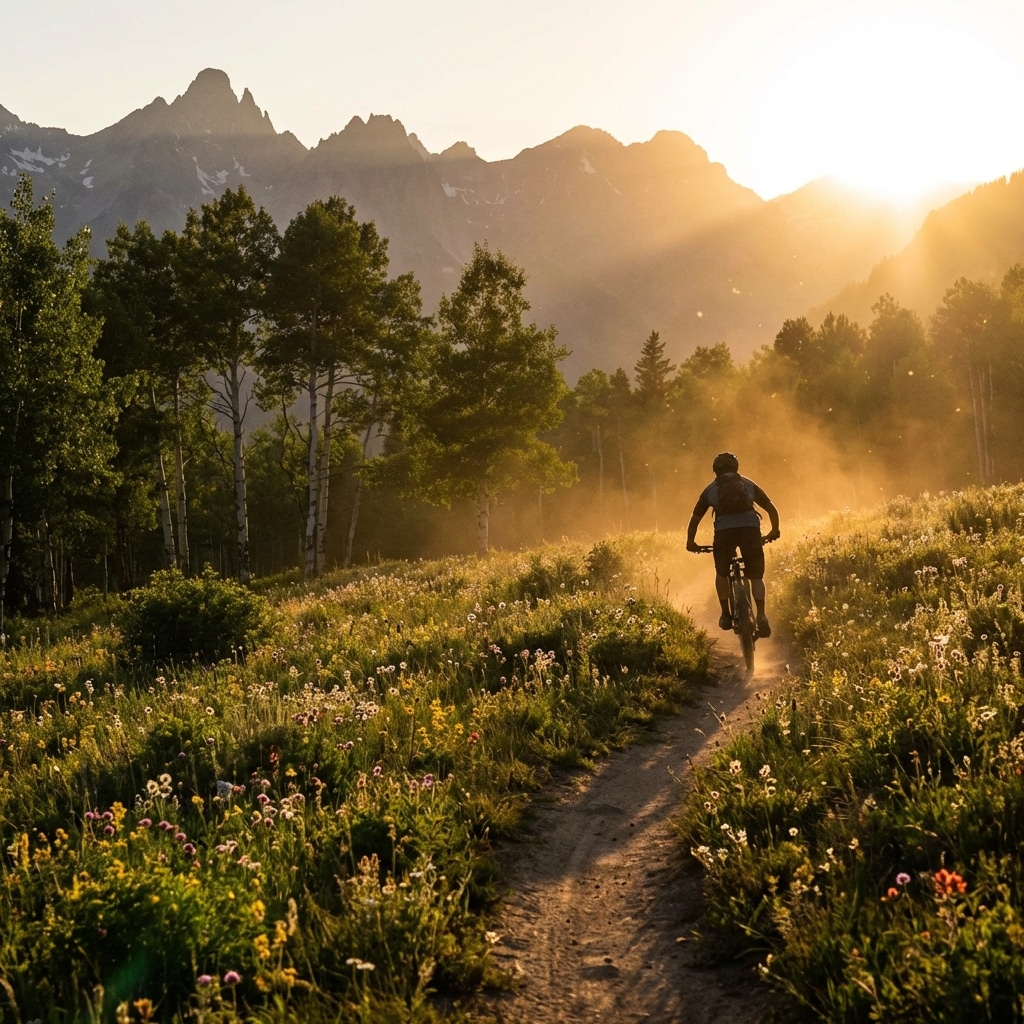
When you hit the trails, pushing limits and embracing the thrill of mountain biking, there’s one piece of gear that stands paramount: your helmet. It’s not just an accessory; it’s your first line of defense, a critical layer between you and potential serious injury. In the dynamic world of mountain biking, where unpredictable terrain, high speeds, and unforeseen obstacles are part of the adventure, a quality MTB helmet can truly mean the difference between life-altering consequences and walking away from a tumble.
This guide will dive deep into why a specialized mountain biking helmet is essential, what features to look for, and how to choose the best one to keep you safe and confident on every ride. Prepare to elevate your trail safety knowledge!

Why a Mountain Biking Helmet is Non-Negotiable
Mountain biking exposes riders to unique risks that demand specific protection. Unlike road cycling, you’re constantly navigating uneven ground, roots, rocks, and steep descents. These elements significantly increase the likelihood of falls and impacts.
A specialized mountain biking helmet is engineered to address these challenges. It provides robust protection against head impacts, safeguards your face from branches and debris, and offers crucial cranial coverage in the event of a crash.
Key Features of Mountain Biking Helmets
Mountain bike helmets are distinct from their road cycling counterparts, featuring specific design elements tailored for off-road conditions.
- Robust Outer Shell: Typically made from hard plastic, this shell is designed to withstand multiple impacts and distribute force effectively.
- Impact-Absorbing Foam Liner: An inner foam (often EPS or similar material) is crucial for cushioning your head and absorbing shock during a fall. Many modern helmets also integrate MIPS (Multi-directional Impact Protection System) for enhanced rotational impact protection.
- Extended Rear Coverage: Mountain biking often involves backward falls, so these helmets provide more coverage at the back of the head compared to road helmets. This protects a vulnerable area of your skull.
- Adjustable Visor: A prominent feature, the visor shields your eyes from sun glare, rain, and low-hanging branches or kicked-up trail debris. Many visors are adjustable or removable, adding versatility.
- Optimized Ventilation: While providing more coverage, MTB helmets also incorporate strategically placed vents to keep you cool during strenuous climbs and rides.
- Secure Fit System: An adjustable retention system (often a dial-fit mechanism) ensures the helmet stays snugly and securely on your head, preventing movement during dynamic riding.
What Kind of Mountain Biking Helmet is Best?
Choosing the “best” mountain biking helmet depends largely on your riding style, terrain, and personal comfort preferences. There isn’t a one-size-fits-all answer, but understanding the different types can guide your decision.
Open-Face (Trail/XC) Helmets
These are the most common type, offering excellent ventilation and a balance of protection and comfort. They cover the top, sides, and extended rear of your head, making them ideal for cross-country (XC) and general trail riding.
They are lighter, highly breathable, and often come with an adjustable visor. Perfect for riders who prioritize comfort on longer rides and less aggressive trails.
Full-Face Helmets
Offering maximum protection, full-face helmets cover your entire head, including the chin and jawline. They are a must-have for downhill, enduro racing, and aggressive park riding where high speeds and bigger impacts are common.
While heavier and less ventilated than open-face helmets, their comprehensive coverage is invaluable for extreme conditions. Look for models certified to ASTM downhill standards for the highest safety ratings.
Convertible (2-in-1) Helmets
These versatile helmets feature a removable chin bar, allowing them to switch between an open-face and full-face configuration. They offer flexibility for riders who tackle varied terrain, from challenging climbs to technical descents.
Convertible helmets are a great compromise for enduro riders who need both protection and ventilation on a single ride. Ensure the chin bar mechanism is secure and easy to operate.
Women’s Specific Mountain Bike Helmets
While head safety is universal, some brands offer women’s specific helmets designed with different aesthetic preferences, ponytail compatibility, or slightly varied internal shapes for a better fit. Functionally, the safety features remain the same.
Prioritize fit and comfort over gendered marketing. Many unisex helmets fit women perfectly, so try on various models to find your ideal match.
MTB Helmet vs. Other Helmet Types: What’s the Difference?
Mountain Biking Helmet vs. Road Helmet
- Visor: MTB helmets nearly always have a visor to protect against sun, branches, and mud. Road helmets rarely have visors, as they can obstruct aerodynamic positioning.
- Coverage: MTB helmets offer more coverage at the back and sides of the head to protect against impacts from uneven terrain. Road helmets prioritize light weight and maximum ventilation for speed.
- Ventilation: While both have vents, road helmets often have larger, more numerous vents for optimal airflow at higher, consistent speeds. MTB helmets balance ventilation with robust protection.
- Durability: MTB helmets are built to endure more varied impacts from falls on rough surfaces. Road helmets are designed for lighter, more glancing blows on paved surfaces.
Mountain Biking Helmet vs. Skateboard/Multi-Sport Helmet
- Impact Absorption: Skateboard helmets typically feature a hard outer shell and denser foam designed for multiple, lower-energy impacts (e.g., repeated falls on ramps). MTB helmets use lighter, more crushable foam (like EPS) designed for a single, higher-energy impact.
- Coverage: Skateboard helmets often have a rounder, bowl-like shape. MTB helmets offer specific extended coverage for the rear and sides of the head.
- Ventilation: Mountain biking helmets have far superior ventilation to keep riders cool during strenuous activity. Skateboard helmets tend to have fewer, smaller vents.
- Standards: MTB helmets are certified to cycling-specific safety standards (e.g., CPSC), while skateboard helmets adhere to different standards (e.g., ASTM F1492 for skateboarding).
Crucial Considerations When Buying an MTB Helmet
- Fit is Paramount: A helmet only works if it fits correctly. Measure your head circumference, then try on various models. The helmet should feel snug but comfortable, without pressure points or excessive movement when shaken.
- Safety Certifications: Ensure the helmet meets recognized safety standards for your region (e.g., CPSC in the US, EN 1078 in Europe, ASTM F1952 for downhill). Look for features like MIPS for enhanced rotational impact protection.
- Ventilation and Comfort: Consider your typical riding conditions. More vents mean better airflow for hot climates or intense climbing. Padding should be comfortable and moisture-wicking.
- Weight: Lighter helmets can reduce neck fatigue on long rides, but don’t compromise safety for minimal weight savings.
- Adjustability: Look for a good retention system (dial at the back), adjustable straps, and a customizable visor.
- Brand Reputation: Reputable brands like Bell, Giro, Fox, Specialized, POC, and Troy Lee Designs consistently produce high-quality, safe helmets.
- Budget: While safety isn’t something to cheap out on, excellent helmets are available across various price points. More expensive models often offer advanced features, better ventilation, and premium materials.
FAQ: Your Mountain Biking Helmet Questions Answered
How are Mountain Bike Helmets Tested for Safety?
Helmets undergo rigorous testing to meet safety standards. The most common test involves dropping a helmet-mounted headform onto various impact surfaces from specified heights. Sensors inside the headform measure the force transmitted during impact. Rotational impact tests (like those for MIPS) assess how well a helmet reduces forces that can cause brain injury from angled impacts. These tests ensure the helmet can effectively absorb and dissipate energy.
How Can I Make Sure My Mountain Bike Helmet Fits Properly?
First, measure your head circumference to find the right size range. When trying it on, the helmet should sit level on your head, covering your forehead without obscuring your vision. It should feel snug all around, with no excessive gaps. The retention system (dial) should comfortably secure it, and you should only be able to fit two fingers between the chin strap and your chin. Shake your head; the helmet shouldn’t shift significantly.
How Do I Clean My Mountain Bike Helmet?
Regular cleaning extends your helmet’s life and prevents odors. Use mild soap and water with a soft cloth to wipe down the outer shell and straps. Many helmets have removable pads that can be hand-washed with mild soap and air-dried. For stubborn odors, a solution of rubbing alcohol or vinegar diluted with water can help, but always check the manufacturer’s recommendations first. Avoid harsh chemicals or solvents that can degrade helmet materials.
Can I Use a Road Bike Helmet on a Mountain Bike?
While technically wearable, a road bike helmet is not recommended for mountain biking. It lacks the extended rear and side coverage, the essential visor, and the specific impact protection needed for off-road trails. The types of falls and impacts in mountain biking are different, requiring a more robust and protective design.
Is a Bike Helmet OK for Rollerblading or Skateboarding?
No, a standard bicycle helmet is not ideal for rollerblading or skateboarding. These activities often involve different types of impacts, including multiple, lower-energy blows, for which multi-sport or skateboard-specific helmets are designed. While some helmets are certified for multiple sports, a typical cycling helmet is engineered for single, higher-energy impacts. Always choose a helmet certified for the specific activity you’re doing.
Conclusion: Invest in Your Safety
Your mountain biking helmet is more than just gear; it’s an investment in your safety and confidence on the trails. By understanding the critical features, different types, and proper fit, you can make an informed decision that enhances every ride.
Don’t compromise on head protection. Choose a high-quality, properly fitting mountain biking helmet, and ride with the peace of mind that you’re prepared for whatever the trail throws your way. Happy trails!