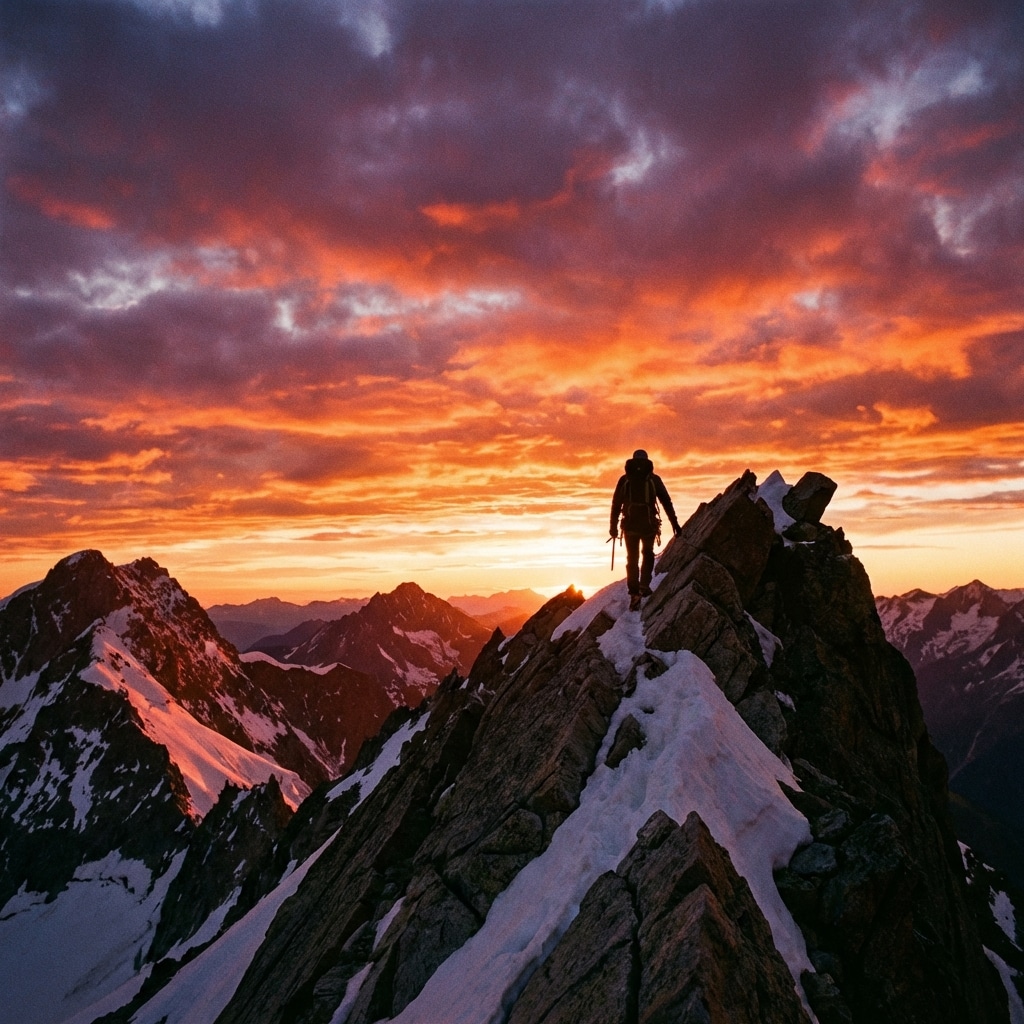
The allure of towering peaks calls to adventurers worldwide, promising breathtaking vistas and the ultimate test of endurance. Yet, beneath this majestic facade lies a stark reality: mountain climbing accidents are a serious, often tragic, consequence of challenging nature’s extremes. Understanding these inherent risks isn’t about fostering fear; it’s about cultivating respect, meticulous preparation, and making informed decisions to ensure every climb is as safe as it is unforgettable.
This article delves into the critical aspects of mountain climbing accidents, exploring their root causes, profound consequences, and the essential preventive measures every climber must embrace. We aim to equip you with the knowledge needed to navigate the majestic, yet perilous, world of mountaineering responsibly.
Why Do Mountain Climbing Accidents Happen? Understanding the Core Risks
Mountain climbing demands a delicate balance between ambition and caution. Accidents often arise from a complex interplay of environmental challenges and human factors, each capable of turning a triumphant ascent into a perilous ordeal. Recognizing these triggers is the first step toward mitigation.
Nature’s Fury: Environmental Hazards
Mountain environments are inherently unpredictable and unforgiving. Rapid shifts in weather, treacherous terrain, and hidden dangers pose constant threats that can overwhelm even the most experienced climbers. Ignoring these natural forces can lead to catastrophic outcomes.
Sudden Weather Shifts: Blizzards, whiteouts, extreme temperature drops, and lightning strikes can materialize without warning, transforming serene conditions into life-threatening scenarios.
Geological Dangers: Rockfalls, icefalls, and avalanches are frequent occurrences, triggered by thawing, seismic activity, or even human presence.
Hidden Traps: Glaciated terrain often conceals deep crevasses and unstable snow bridges, creating invisible hazards that demand constant vigilance and proper rope techniques.
High Altitude Effects: Reduced oxygen levels exacerbate physical exertion and can lead to severe conditions like High Altitude Pulmonary Edema (HAPE) or Cerebral Edema (HACE), impairing judgment and physical function.
The Human Element: Errors and Misjudgment
While Mother Nature poses significant risks, human error remains a primary cause of mountain climbing accidents. Our decisions, preparation, and psychological state play a critical role in determining safety on the mountain. Overconfidence or complacency can quickly lead to disaster.
Inadequate Preparation: A lack of essential skills, insufficient physical conditioning, or poor knowledge of the route and terrain significantly raises accident potential.
Overconfidence & Ego: Overestimating personal abilities, underestimating the mountain’s challenges, or succumbing to “summit fever” can override rational safety choices.
Fatigue & Altitude Sickness: Both physical and mental fatigue, compounded by altitude sickness, severely impair judgment, coordination, and reaction time.
Poor Decision-Making: Ignoring established turnaround times, pushing through dangerous conditions, or neglecting crucial safety protocols are critical mistakes.
Lack of Communication: Ineffective communication within a climbing team can lead to misunderstandings, delayed responses, and increased risk in dynamic situations.
Minimizing Risk: Essential Strategies for Preventing Mountain Climbing Accidents
Preventing mountain climbing accidents isn’t about eliminating risk entirely, but rather about managing and mitigating it effectively. This requires a proactive approach centered on continuous learning, meticulous planning, and sound judgment. Your safety, and that of your team, depends on it.
Mastering Your Craft: Training & Skills Development
The foundation of safe mountaineering is comprehensive training and ongoing skill development. Invest time and effort into building a robust skill set that prepares you for various mountain scenarios. This lifelong learning journey is crucial for every climber.
Core Technical Skills: Master navigation (map, compass, GPS), rope techniques, crevasse rescue, self-arrest, and proper use of climbing hardware.
First Aid & Wilderness Medicine: Enroll in wilderness first aid courses to confidently handle injuries and illnesses in remote environments.
Physical & Mental Conditioning: Build endurance, strength, and mental resilience to cope with the physical demands and psychological pressures of high-altitude climbing.
Mentorship & Guided Expeditions: Learn from experienced professionals and certified guides before attempting advanced routes independently.
Respecting the Mountain: Weather & Route Planning
Mountains demand respect, especially concerning weather patterns and terrain. Thorough planning and adaptability are key to avoiding dangerous situations. Never underestimate the power of a changing forecast or an unfamiliar route.
Constant Weather Monitoring: Utilize multiple, reliable sources for mountain-specific forecasts; understand how local topography influences weather.
Flexible Itinerary: Always have backup plans. Be prepared to change routes, turn back, or wait out adverse conditions.
Thorough Route Reconnaissance: Study maps, guidebooks, and recent conditions reports extensively. Understand escape routes and potential hazards.
Appropriate Gear: Pack layers, specialized equipment (e.g., avalanche safety gear, ice axe), and emergency supplies tailored to all foreseeable weather conditions.
The Art of Judgment: Risk Assessment & Decision-Making
Critical thinking and conservative decision-making are your most vital tools in the mountains. Regularly assess your situation and make choices that prioritize safety above all else. A successful summit is one you return safely from.
Regular Self-Assessment: Continuously monitor your physical state, fatigue levels, and mental clarity, as well as the condition of your gear.
Team Communication: Foster open and honest communication with your climbing partners, discussing risks, conditions, and any concerns without hesitation.
Conservative Choices: Always err on the side of caution. If in doubt, turn back. No summit is worth risking a life.
Strict Turnaround Times: Establish and rigorously adhere to pre-determined turnaround times, regardless of your proximity to the summit.
Lessons from the Edge: Historic Mountain Climbing Tragedies
Past tragedies offer invaluable, albeit somber, lessons for the mountaineering community. Studying these incidents helps us understand the complex factors that can lead to accidents and reinforces the importance of safety protocols. We learn from those who came before us.
The 1996 Mount Everest Disaster: A Call for Caution
One of the most infamous mountain climbing accidents unfolded on Mount Everest in May 1996, claiming the lives of eight climbers caught in a ferocious storm. This tragedy starkly highlighted the dangers of overcrowding, communication breakdowns, and the fatal consequences of “summit fever” overriding critical turnaround times. Jon Krakauer’s gripping account, “Into Thin Air,” serves as a sobering reminder of the mountain’s power and the high stakes involved.
The Eiger Nordwand Tragedy (1936): Nature’s Unforgiving Grip
In 1936, four young climbers perished while attempting to conquer the notorious North Face of the Eiger in the Swiss Alps, trapped by an unrelenting storm. Despite valiant rescue efforts, all were lost. This incident underscored the brutal reality that even the most skilled climbers are vulnerable to nature’s whims, emphasizing the vital need to respect the mountain’s immense power and unpredictability.
Technology in the Heights: Enhancing Climbing Safety
Modern technology has revolutionized mountain safety, providing invaluable tools for navigation, communication, and informed decision-making. While technology is no substitute for skill and judgment, it significantly augments a climber’s ability to stay safe and call for help. Embracing these innovations is crucial for today’s mountaineer.
Navigating & Communicating: GPS and Satellite Devices
Staying oriented and connected in remote mountain environments is more accessible than ever before. These devices provide critical links to the outside world, drastically improving response times in emergencies. They are essential tools for any serious expedition.
GPS Devices & Smartphones: Offer precise location tracking, route planning capabilities, and real-time mapping for accurate navigation in complex terrain.
Satellite Communicators (e.g., Garmin InReach, SPOT): Enable two-way text messaging, pre-set message sending, and vital SOS alerts from anywhere in the world, even without cellular service.
Personal Locator Beacons (PLBs): Broadcast emergency signals to search and rescue services, providing exact coordinates for rapid deployment in life-threatening situations.
Technological advancements extend beyond communication, offering climbers superior insights and equipment to tackle challenging conditions. These innovations empower you to make smarter, safer choices before and during your climb. Knowledge is power, especially in the mountains.
Hyper-Local Weather Apps: Provide detailed, real-time weather predictions tailored specifically for mountain regions, helping climbers anticipate rapidly changing conditions.
Advanced Avalanche Safety Gear: Includes more reliable avalanche transceivers, probes, shovels, and increasingly common avalanche airbags that can significantly improve survival rates.
Performance Apparel & Equipment: Innovations in materials have led to lighter, stronger, and more insulating gear, enhancing comfort, protection, and overall survivability in extreme environments.
Climb Smart, Climb Safe: Your Path to Responsible Mountaineering
Mountain climbing offers profound rewards, pushing human limits in awe-inspiring landscapes. However, this journey demands profound respect for the inherent dangers and the potential for mountain climbing accidents. Every incident serves as a poignant, often tragic, lesson that reinforces the importance of vigilance.
By committing to rigorous training, meticulous preparation, sound judgment, and embracing technological advancements, climbers can significantly mitigate risks. Embrace the challenge of the peaks, but always prioritize safety. Honor the mountains and those who have come before by climbing responsibly, ensuring your story is one of triumph, not tragedy. The greatest summit is always a safe return home.