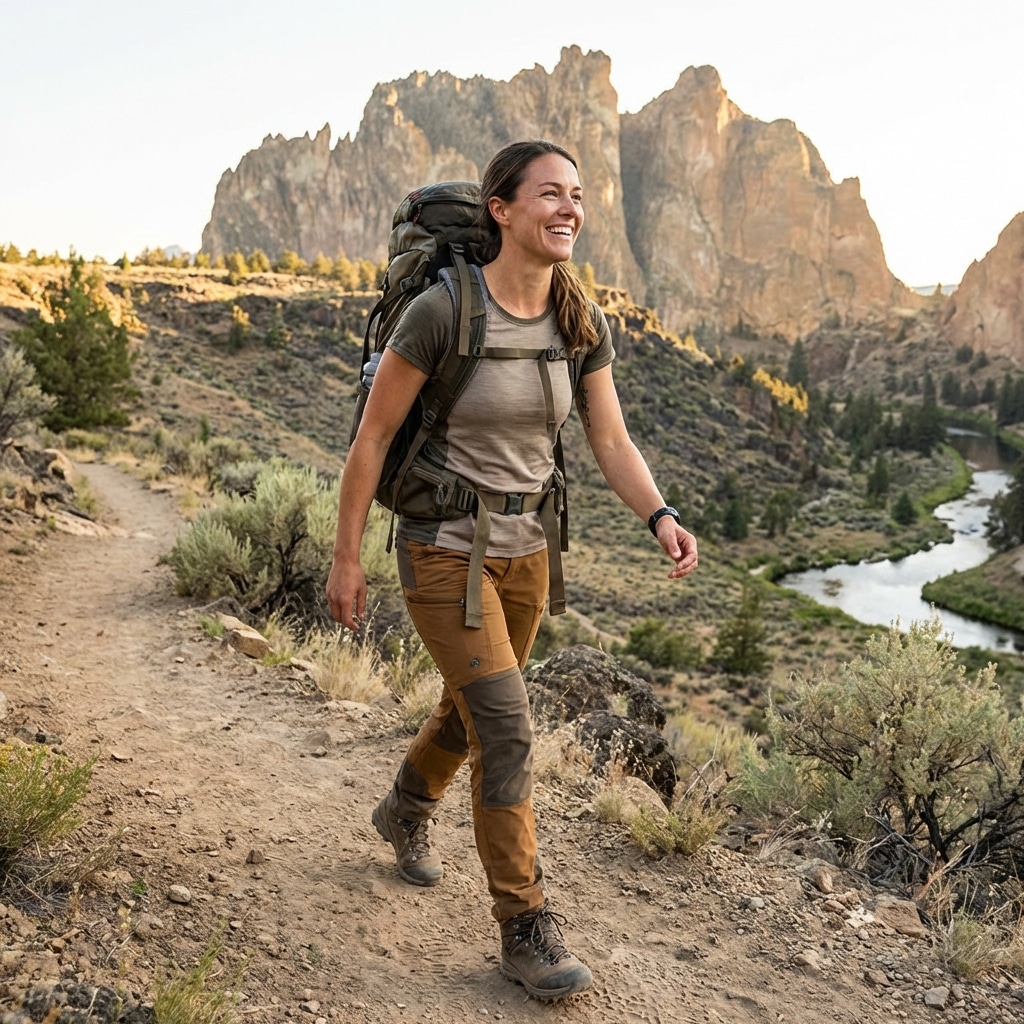
Mountaineering isn’t just a sport; it’s a relentless test of endurance, skill, and the human spirit. From the awe-inspiring heights of the Himalayas to the rugged trails of the Rockies, every ascent demands unwavering focus – and the right gear. Among your most critical companions, a reliable mountaineering backpack stands supreme. It’s more than just a bag; it’s your portable basecamp, your lifeline, and your silent partner in the wilderness. But what truly sets these specialized packs apart, and how do you find the one that won’t just carry your gear, but elevate your entire expedition?
This comprehensive guide will unpack everything you need to know, helping you navigate the ascent to choosing your perfect mountaineering backpack.
What Makes a Mountaineering Backpack an Essential Piece of Gear?
Forget your standard daypack or hiking rucksack. A true mountaineering backpack is engineered from the ground up to endure extreme conditions, carry specialized equipment, and perform flawlessly when stakes are high. It’s a purpose-built tool, distinct in several critical ways.
Unmatched Durability and Advanced Materials
The wilderness is unforgiving. That’s why mountaineering packs are constructed from exceptionally tough, abrasion-resistant fabrics like high-denier ripstop nylon, Cordura, or sometimes even lightweight Dyneema composites. Reinforced stitching and high-stress points ensure your pack can withstand rock scrapes, ice impacts, and heavy loads, trip after trip.
Specialized Load-Carrying Capacity and Frame Systems
These packs are designed to haul significant weight – from essential food and water to climbing ropes, ice tools, and even avalanche safety gear. Capacities typically range from 40 to 100+ liters. Crucially, their advanced internal or external frame systems, often made from lightweight aluminum or carbon fiber, are engineered to distribute heavy loads efficiently. This minimizes strain on your shoulders and back, preserving your energy for the climb itself.
Integrated Gear Organization and Quick Accessibility
A mountaineering backpack is a master of organization. You’ll find a multitude of external attachment points for ice axes, trekking poles, helmets, and crampons, keeping sharp objects outside and freeing up internal space. Quick-access pockets, often on the hip belt or front, ensure immediate availability of essentials like navigation tools, snacks, or a first-aid kit, which can be vital in rapidly changing mountain environments.
How to Choose the Right Mountaineering Backpack for Your Adventures
Selecting the perfect mountaineering backpack is a critical decision that directly impacts your safety, comfort, and performance. Consider these key factors to match your pack to your specific needs and ambitions.
Volume and Trip Duration: Matching Capacity to Your Climb
40-50 Liters: Ideal for fast-and-light day climbs, alpine ascents requiring minimal overnight gear, or shorter, warmer weather treks.
50-70 Liters: The versatile sweet spot for multi-day trips, technical climbs with bivouac gear, or colder conditions requiring bulkier sleeping systems and extra layers.
70-100+ Liters: Reserved for extended expeditions, winter mountaineering, or situations demanding significant amounts of specialized gear, food, and fuel.
Always consider the bulk of your gear, not just its weight, when estimating needed volume.
Fit and Comfort Are Non-Negotiable
A properly fitting pack is paramount for carrying heavy loads over challenging terrain. Look for a pack that matches your torso length – many manufacturers offer adjustable harness systems for a precise fit. Padded, contoured shoulder straps, a well-cushioned and supportive hip belt (which should carry 70-80% of the weight), and an adjustable sternum strap are essential for stability and comfort. Good back panel ventilation also prevents excessive sweating and chafing on strenuous climbs.
Weight vs. Durability: Finding the Optimal Balance
While durability is crucial, an overly heavy empty pack can quickly become a burden. Modern advancements in material science mean many top-tier mountaineering backpacks offer an impressive strength-to-weight ratio. Aim for a pack that feels robust without being excessively heavy, especially if you prioritize fast-and-light ascents where every gram counts.
Specialized Features for Your Unique Adventures
Your specific climbing style and objectives will dictate desired features. Consider:
Hydration System Compatibility: Internal sleeves and exit ports for hydration reservoirs are a must for easy access to water.
Ice Tool Attachments: Secure loops and toggles for ice axes or technical ice tools.
Crampon Pouch: A dedicated, often reinforced, external pocket for crampons protects your pack and other gear.
Rope Strap: An external strap to secure a climbing rope over the top of the pack.
Avalanche Safety Gear Pocket: A quick-access, clearly marked compartment for a shovel and probe.
Removable Lid/Brain: Often convertible into a summit pack for short excursions from basecamp.
Ski Carry Options: Diagonal or A-frame carry systems for ski mountaineering.
Essential Maintenance Tips for Your Mountaineering Backpack’s Longevity
Even the most rugged mountaineering pack benefits from regular care. Proper maintenance extends its lifespan, ensures reliable performance, and protects your investment.
Thorough Cleaning After Each Trip
Empty your backpack completely and shake out all debris, dirt, and crumbs. Use a damp cloth and mild, non-detergent soap (like gear cleaner or baby shampoo) to spot clean the exterior and interior. Pay special attention to zippers, buckles, and heavily soiled areas. Rinse thoroughly and allow the pack to air dry completely in a well-ventilated area, away from direct sunlight, before storage.
Regular Inspection for Wear and Tear
Before and after each adventure, meticulously inspect your pack. Check all seams for fraying, look for tears or abrasions in the fabric, and test zippers and buckles for smooth operation. Address minor issues immediately with gear tape or professional repair to prevent them from escalating into larger, trip-ending problems.
Proper Storage Practices
Store your clean, dry backpack in a cool, dry place out of direct sunlight. UV rays can degrade fabrics and coatings over time. Avoid hanging it by the shoulder straps for extended periods, as this can deform padding; instead, lay it flat or store it on a shelf.
The Unseen Value: Why Investing in a Quality Mountaineering Backpack Matters
While the price tag of a high-end mountaineering backpack might seem steep, its value far transcends its cost. This is an investment in your safety, comfort, and the success of your outdoor pursuits.
Enhanced Safety and Operational Efficiency
A well-designed pack keeps your critical gear organized and immediately accessible. In the dynamic, often dangerous, environment of the mountains, quick access to a headlamp, map, or emergency shelter can be life-saving. Its robust construction also protects your valuable contents from the elements and physical wear.
Superior Longevity and Long-Term Durability
Quality mountaineering backpacks are built to last, often outperforming cheaper alternatives by many years. While the initial outlay might be higher, you’ll save money in the long run by avoiding frequent replacements. Think of it as a reliable partner that will endure countless summits alongside you.
Unmatched Comfort and Performance on the Mountain
The ergonomic design, advanced suspension systems, and thoughtful features of a premium pack drastically reduce fatigue and discomfort. This allows you to focus your energy on the climb, enjoy the breathtaking views, and push your limits without being distracted by nagging pains or gear issues. It truly enhances your overall mountaineering experience.
Conclusion: Your Adventure Awaits – Gear Up for Success
Choosing the right mountaineering backpack is more than just a purchase; it’s a strategic decision that equips you for the challenges and triumphs of the high peaks. By carefully considering volume, fit, durability, and specialized features, you can select a pack that not only carries your essentials but also becomes an integral part of your climbing success.
So, take the time to research, try on different models, and invest wisely. With the perfect mountaineering backpack by your side, you’ll be ready to answer the call of the mountains and embark on your next unforgettable adventure with confidence and comfort.