The majestic allure of a mountain summit calls to adventurers worldwide, promising breathtaking views and unparalleled challenges. But the thrill of the climb is intrinsically linked to preparedness. Embarking on a true mountain expedition isn’t merely a hike; it’s a serious undertaking where your survival and success depend entirely on the quality and suitability of your gear.

Forget the notion of “making do” with everyday backpacks or basic hiking essentials. Mountain climbing demands specialized equipment designed to withstand extreme conditions, navigate treacherous terrain, and, most importantly, keep you safe. Outfitting yourself properly is not a luxury; it’s a fundamental requirement for any serious ascent.

Why Proper Mountain Climbing Gear is Non-Negotiable
Unlike casual camping trips or short treks, mountain climbing exposes you to rapidly changing weather, challenging ascents, and potential hazards like falls or rockslides. Generic outdoor gear simply isn’t built for these demands.
Using inadequate equipment can turn an adventure into a dangerous ordeal, risking hypothermia, injury, or worse. Your gear acts as an extension of your body, providing crucial support, protection, and the means to overcome obstacles safely.
Essential Mountain Climbing Gear: What You Really Need
Equipping yourself for a mountain climb requires careful consideration of every item. Here’s a breakdown of the critical gear that forms the backbone of any safe expedition:
The Foundation: Footwear & Apparel
- Climbing Boots: These are your primary connection to the mountain. Look for sturdy, insulated, waterproof boots with excellent ankle support and a stiff sole for crampon compatibility and edge support on rock.
- Layering System: Weather on mountains is unpredictable. A versatile layering system (base layer for moisture-wicking, mid-layers for insulation, and a waterproof/windproof outer shell) allows you to adapt to temperature changes and precipitation.
- Gloves & Hat: Protect your extremities from extreme cold and sun exposure.
The Lifelines: Ropes & Protection
- Climbing Ropes: Depending on the type of climb, you’ll need dynamic ropes for lead climbing (to absorb fall forces) and possibly static ropes for rappelling or hauling gear. Carrying two ropes is often recommended for redundancy and versatility.
- Harness: A comfortable, well-fitting climbing harness is essential for attaching to ropes, belaying, and rappelling.
- Carabiners: These versatile metal connectors are used for a multitude of tasks, including attaching gear to your harness, setting up anchors, and managing ropes. You’ll need several, often different types (locking and non-locking).
- Belay Device & Rappel Device: Crucial for controlling ropes to protect climbers from falls and for safely descending steep sections.
- Protection (e.g., Nuts, Cams): For technical rock or ice climbing, devices like nuts, cams, and ice screws are placed into the rock or ice to create secure anchor points.
The Ascent Aids: Ice Axes & Crampons
- Ice Axe: A fundamental tool for snow and ice travel, used for balance, self-arresting falls, and chopping steps.
- Crampons: Metal frames with spikes that attach to your boots, providing critical traction on icy or hard-packed snow slopes.
- Helmet: Non-negotiable for protection against falling rocks, ice, or head injuries during a fall.
The Crucial Carrier: Your Climbing Backpack
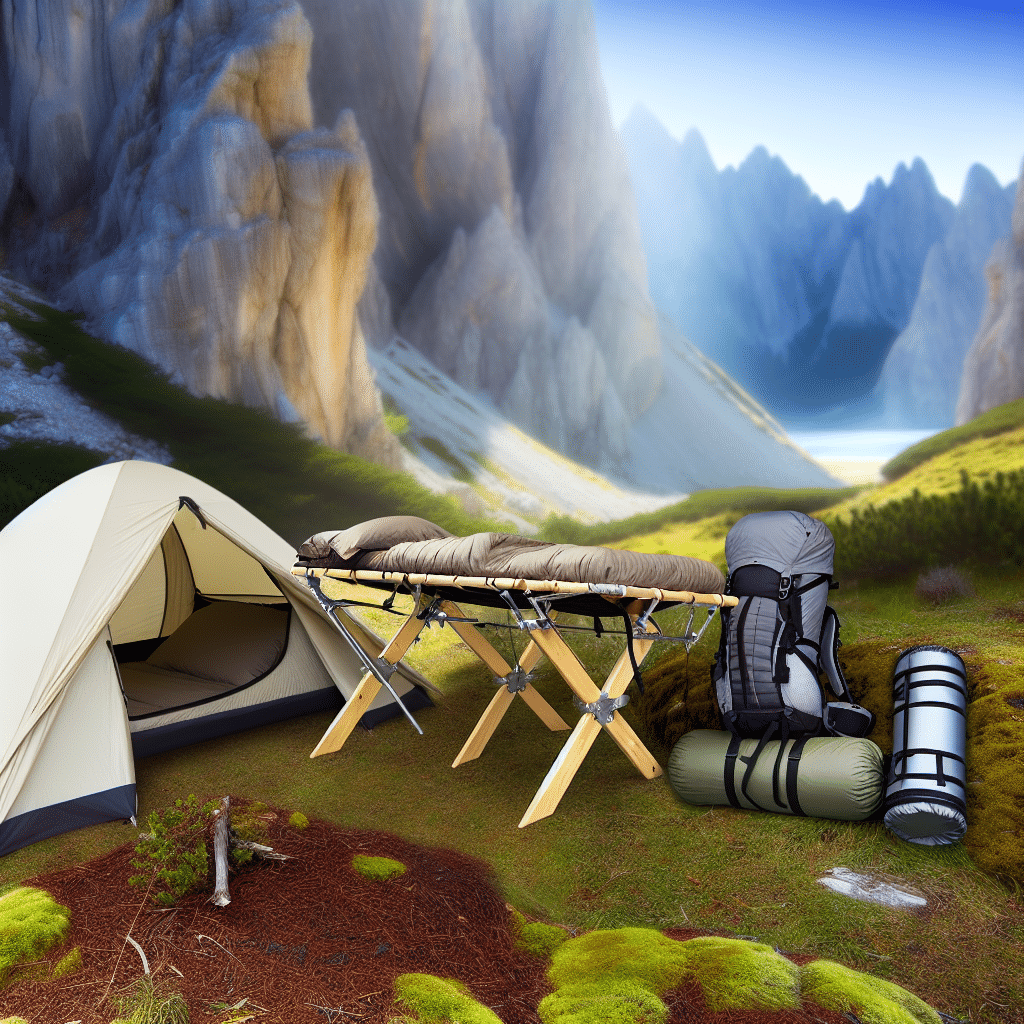
- Climbing Backpack: Unlike general hiking packs, a climbing backpack is designed to be sleek, durable, and capable of carrying specialized gear externally (like ropes or ice axes). It should have a sturdy frame, a comfortable harness, and be made from tough, waterproof nylon. Ensure it’s adequately sized for your expedition length.
- **Important Note:** A climbing backpack is NOT a sleeping bag. Always pack a dedicated, insulated sleeping bag (and potentially a lightweight liner) for warmth.
The Essentials: Navigation, Nutrition & Safety
- Food & Water: Pack ample high-energy, non-perishable food and sufficient water or a reliable purification system. Proper nutrition and hydration are vital for endurance and decision-making at altitude.
- First-Aid Kit: A comprehensive kit tailored for mountain environments, including blister treatment, pain relief, and emergency supplies.
- Navigation Tools: A map, compass, and GPS device (with extra batteries) are critical for staying on course and avoiding getting lost.
- Headlamp: Essential for visibility in low light, whether you’re starting before dawn or making an unexpected late return. Always carry spare batteries.
- Sun Protection: High altitude means increased UV exposure. Pack sunscreen, sunglasses, and lip balm.
- Emergency Shelter/Bivy Bag: A lightweight emergency bivy can be a lifesaver in unexpected situations.
Risks of Under-Equipping Your Climb
Attempting a mountain ascent without the proper gear is an invitation to disaster. The mountain environment is unforgiving, and a lack of appropriate equipment can lead to severe consequences.
From hypothermia due to inadequate clothing to fatal falls from lack of reliable ropes and protection, the risks are substantial. Under-preparation not only jeopardizes your own life but can also endanger your climbing partners and potential rescuers.
Investing in Your Adventure: Where to Find Quality Gear
When it comes to mountain climbing gear, quality is paramount. Seek out reputable outdoor retailers known for their expertise in mountaineering equipment. They can provide guidance on brands, fit, and the specific gear required for your planned climb.
While cost can be a factor, view your gear as an investment in your safety and experience. Prioritizing cheaper alternatives often means compromising on reliability and performance, which is a gamble you don’t want to take in the mountains.
Final Thoughts on Safety & Preparedness
Beyond the gear itself, remember that proper training, physical fitness, and experience are equally vital for safe mountaineering. Always climb within your skill level, understand how to use all your equipment correctly, and consider hiring certified guides for challenging expeditions or if you’re new to the sport.
The mountain’s beauty is matched only by its power. Respect it, prepare thoroughly, and you’ll unlock unforgettable adventures while minimizing risk. Your gear is your lifeline; choose wisely.