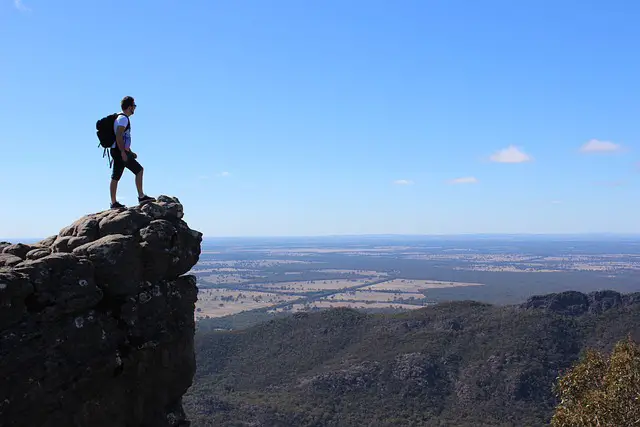
Dreaming of conquering majestic peaks? The thrill of reaching a summit, breathing crisp mountain air, and gazing at panoramic vistas is an unparalleled experience. But mountain climbing isn’t just about the breathtaking views; it’s a profound test of physical and mental fortitude.

Whether you’re planning an intense ascent or a challenging multi-day trek, proper preparation is key to both enjoyment and safety. A dedicated mountain climbing workout builds the essential strength, endurance, and resilience you’ll need to tackle varied terrains and elevations. Let’s explore how to get your body mountain-ready.

The Unrivaled Benefits of Mountain Climbing
Mountain climbing offers a holistic boost to your well-being. Physically, it’s a phenomenal full-body workout, engaging your legs, core, and upper body. You’ll build incredible cardiovascular endurance and muscular strength.
Mentally, it’s a masterclass in resilience. The ever-changing terrain and unpredictable conditions challenge your focus, problem-solving skills, and mental toughness. Plus, the fresh air and stunning natural scenery provide a powerful antidote to daily stress, promoting a deep sense of accomplishment and peace.
Types of Mountain Climbing
Before diving into training, it’s helpful to recognize the spectrum of mountain activities. This can range from rigorous day hikes and multi-day treks to technical rock climbing and high-altitude mountaineering requiring specialized gear like crampons and ice axes. Each demands a specific blend of fitness, but the foundational principles remain similar.
Why a Dedicated Mountain Climbing Workout is Essential
The unique demands of mountain terrain – steep ascents, tricky descents, uneven surfaces, and carrying a pack – require more than just general fitness. A targeted workout program strengthens the specific muscle groups and energy systems crucial for success and injury prevention. It’s about building functional strength that translates directly to the trails.
Your Comprehensive Mountain Climbing Workout Plan
This guide outlines a balanced workout routine designed to prepare your body for the rigors of mountain climbing. Aim to complete this routine 2-3 times per week, allowing for 1-2 days of rest between sessions.
Phase 1: Dynamic Warm-Up (5-10 minutes)
Prepare your muscles and joints for activity. Light cardio and dynamic stretches increase blood flow and flexibility, reducing injury risk. Jogging in place, high knees, butt kicks, arm circles, leg swings, and torso twists are excellent choices.
Phase 2: Cardiovascular Endurance (30-45 minutes)
Mountains demand a strong heart and lungs. Focus on activities that mimic uphill exertion and sustain an elevated heart rate.
- Hill Repeats/Stair Climbing: Find a local hill or stadium stairs. Run or power walk uphill for 2-3 minutes, then walk down for recovery. Repeat 5-8 times.
- Incline Treadmill Walking/Running: Set a treadmill to a high incline (10-15%) and walk or run at a challenging but sustainable pace.
- Long Hikes: Gradually increase the distance and elevation of your hikes. Carry a weighted pack to simulate climbing conditions.
Phase 3: Strength & Power Training (20-30 minutes)
Build the muscle strength needed for ascents, descents, and maintaining stability on uneven ground. Focus on compound movements.
- Squats: Bodyweight, goblet, or barbell squats. Aim for 3 sets of 10-12 repetitions.
- Lunges: Forward, reverse, or walking lunges. Complete 3 sets of 10-12 reps per leg.
- Step-Ups: Use a bench or sturdy box. Step up with one leg, then step down. 3 sets of 10-12 reps per leg.
- Push-ups: Essential for upper body strength, especially for scrambling or using poles. 3 sets to failure or 10-15 reps.
- Plank: Strengthens core muscles for stability and balance. Hold for 30-60 seconds, 3 sets.
- Calf Raises: Critical for uphill propulsion and ankle stability. 3 sets of 15-20 repetitions.
Phase 4: Endurance & Stamina Drills (20-30 minutes)
This phase trains your body to sustain effort over long periods, mimicking the continuous nature of a climb. Incorporate interval training or longer, moderate-intensity work.
- Weighted Vest Walking: Wear a weighted vest during walks or hikes to simulate carrying a pack.
- Endurance Intervals: On an incline, run or power walk for 60 seconds, then walk for 90 seconds. Repeat 8-10 times.
- Mountain Climbers (the exercise!): This dynamic core and cardio exercise is excellent. Perform 3 sets of 45-60 seconds.
Phase 5: Static Cool-Down & Flexibility (5-10 minutes)
After your workout, stretch to improve flexibility and aid muscle recovery. Focus on holding stretches for 20-30 seconds.
- Leg stretches: Hamstrings, quadriceps, glutes, and calves.
- Hip flexor stretch.
- Chest and shoulder stretches.
Key Considerations for Your Training
- Nutrition & Hydration: Fuel your body with a balanced diet rich in proteins, complex carbohydrates, and healthy fats. Stay hydrated before, during, and after workouts.
- Rest & Recovery: Muscles grow stronger during rest. Ensure you get adequate sleep and incorporate active recovery days (light walks, gentle yoga).
- Proper Gear: Invest in sturdy, comfortable hiking boots or approach shoes with excellent grip. Break them in well before your climb.
- Listen to Your Body: Avoid pushing through sharp pain. Adjust your training intensity and duration based on how you feel.
Frequently Asked Questions About Mountain Climbing Fitness
Is mountain climbing good exercise?
Absolutely! Mountain climbing is an exceptional full-body workout. It significantly boosts cardiovascular health, builds muscular endurance, strengthens your core, and improves balance and coordination. It’s one of the most comprehensive forms of exercise you can undertake.
Is mountain climbing good for weight loss?
Yes, mountain climbing can be highly effective for weight loss. The sustained physical effort, especially during uphill movements, burns a significant number of calories. Coupled with a healthy, balanced diet, regular climbing and training can greatly contribute to your weight loss goals.
How many calories does mountain climbing burn?
The exact number varies greatly depending on factors like your weight, the steepness of the terrain, the pace, and the weight of your pack. However, a general estimate for moderate intensity can be around 400-600 calories per hour, with more strenuous climbs burning even more.
Do mountain climbers (the exercise) burn belly fat?
Yes, the “mountain climber” exercise is an excellent compound movement that engages your core, legs, and shoulders. As a high-intensity exercise, it contributes to overall calorie burn and fat loss, which includes reducing belly fat when combined with a consistent workout routine and a healthy diet.
What kind of shoes should you wear mountain climbing?
For most recreational mountain climbing or intense hiking, sturdy hiking boots or approach shoes with excellent ankle support and a high-traction outsole are ideal. Ensure they are waterproof, breathable, and properly broken in to prevent blisters and ensure comfort on long treks.
How often should I train for mountain climbing?
For optimal preparation, aim for 3-5 dedicated training sessions per week. This should include 2-3 days of the comprehensive mountain climbing workout plan outlined above, supplemented with 1-2 additional cardio sessions (e.g., long hikes or trail running) on other days. Always incorporate rest and recovery.
Conquer the Heights, Safely and Strongly
Preparing for a mountain climb is an adventure in itself. By following a structured workout plan, you’ll not only build the physical capabilities but also the mental fortitude needed to tackle challenging trails.
Embrace the journey, train smart, and soon you’ll be enjoying the unparalleled rewards of standing atop a mountain, feeling strong, capable, and connected to the incredible world around you. Happy climbing!